
Will A 2000 Watt Generator Run A Refrigerator
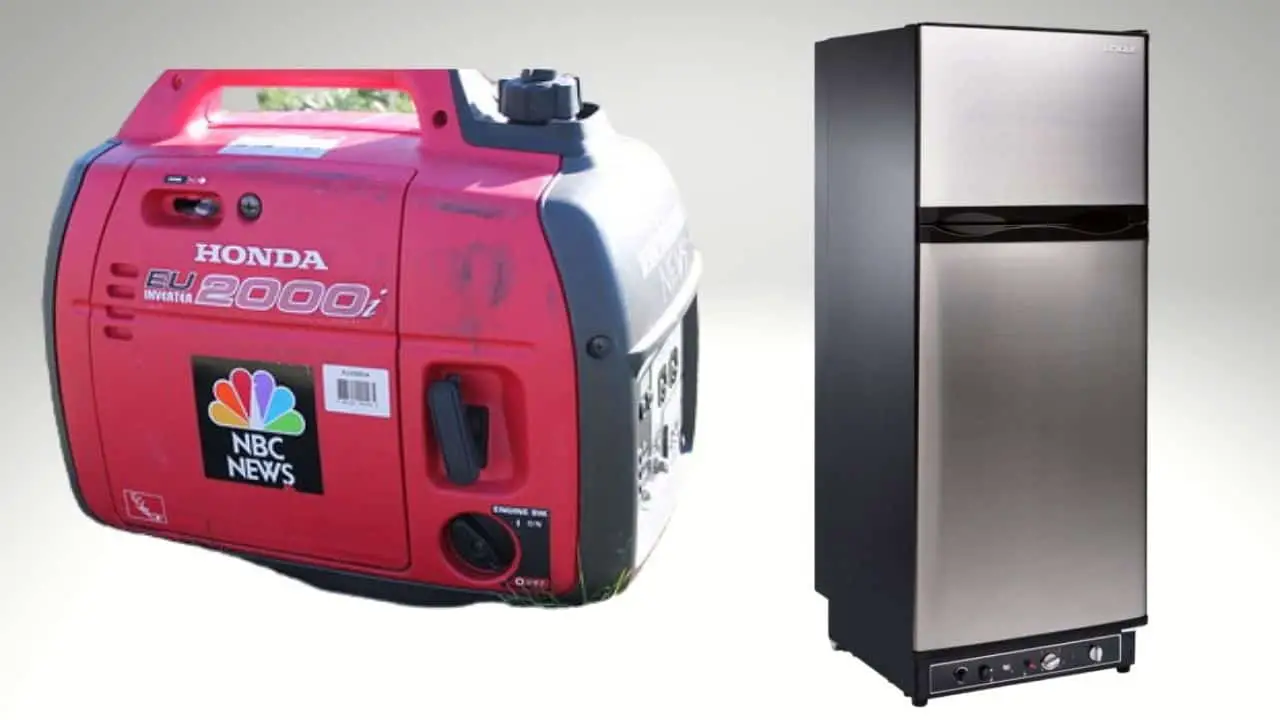
Okay, let's talk refrigerators and power. We've all been there, haven't we? Staring at the impending doom of a power outage, suddenly picturing melting ice cream and a questionable science experiment brewing in the crisper drawer. The question swirling in your head: Will a generator save the day? Specifically, will that trusty 2000-watt generator sitting in the garage do the trick for your precious food stash?
The Refrigerator Power Puzzle
Refrigerators, those unsung heroes of the modern kitchen, aren't exactly straightforward when it comes to power consumption. They're not like a lightbulb that just draws a consistent amount of juice. They work in cycles. There's the initial surge when the compressor kicks in – the real energy hog – and then a much lower running wattage once it's humming along, keeping your pickles perfectly chilled.
Think of it like starting a car. It takes more power to crank the engine than it does to cruise down the highway.
Must Read
So, the million-dollar question: what's the wattage breakdown for your fridge? Well, it varies. Older models are notoriously power-hungry, while newer, energy-efficient ones sip electricity like a dainty hummingbird. You'll need to check the data plate, usually located inside the fridge door or on the back. Look for the "Starting Watts" or "Peak Watts" – that's the crucial number.
Decoding the Wattage Detective Work
Generally speaking, most refrigerators need between 1200 to 2200 watts to start. Then, once running, they typically require only 150 to 200 watts. So, on the surface, a 2000-watt generator should be able to handle the initial surge, right?

Hold on a minute!
It's not quite that simple. Generators aren't always operating at their peak wattage. They have a running wattage (also sometimes called "rated wattage") and a surge wattage. The surge wattage is the short burst of power they can deliver for a few seconds to start appliances. The running wattage is what they can sustain continuously.
Your 2000-watt generator might only have a running wattage of 1600 watts. Check the generator's label carefully! You need to make sure that its running wattage is higher than your refrigerator's starting wattage for reliable operation.
The "What If" Scenarios and Practical Tips
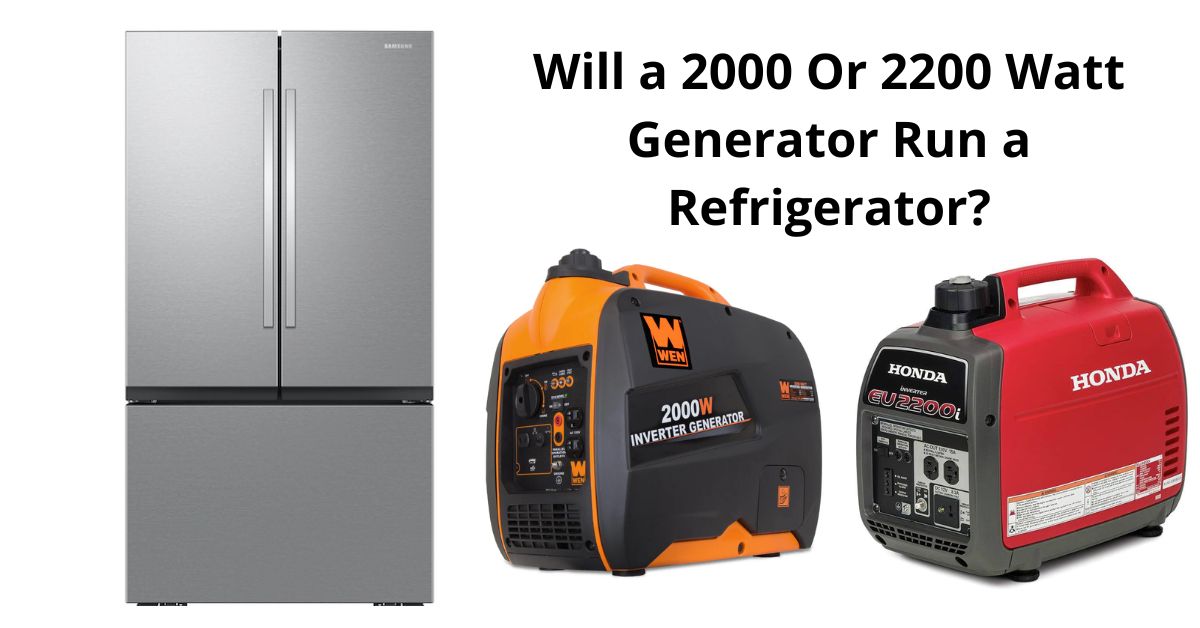
Scenario 1: Your Fridge is a Power Hog. If your refrigerator’s starting wattage is pushing 2200 watts, your 2000-watt generator probably isn't going to cut it. You might hear the generator strain, or worse, it could trip the overload protection. It's like trying to fit into those jeans you haven't worn since college – it's just not going to happen.
Scenario 2: Energy Efficiency is Your Friend. If you have a newer, energy-efficient fridge with a lower starting wattage (around 1200-1500 watts), you're in a much better position. Your 2000-watt generator should handle it, especially if you’re not running other appliances simultaneously.
Practical Tips for Success:
- Do a Test Run: Before the storm hits, test the generator with your refrigerator. Start the generator and let it warm up for a few minutes before plugging in the fridge. Listen carefully for any signs of strain.
- Unplug Unnecessary Appliances: Don't overload the generator. Disconnect anything you don't absolutely need, like lights, TVs, or phone chargers. Think Marie Kondo – spark joy, and save watts!
- Consider a Soft Start: You can install a "soft start" capacitor on your refrigerator's compressor. This gradually increases the power during startup, reducing the initial surge.
- Maintain Your Generator: A well-maintained generator is a happy generator. Keep the oil changed, the air filter clean, and the spark plug in good condition.
The Takeaway: Planning and Preparation
Ultimately, whether a 2000-watt generator will run your refrigerator depends on a number of factors. But with a little detective work and some proactive planning, you can increase your chances of keeping those leftovers safe during a power outage. Think of it as a real-life episode of "Doomsday Preppers," but with less tinfoil and more strategically placed ice packs.
Life, much like a refrigerator's power cycle, has its surges and lulls. Sometimes things take more energy to get going, and sometimes they coast along smoothly. Being prepared, understanding the energy demands of our lives, and managing our resources wisely – whether it's watts or willpower – can help us weather any storm, literally and figuratively.
