
Will A 1000 Watt Generator Run A Refrigerator
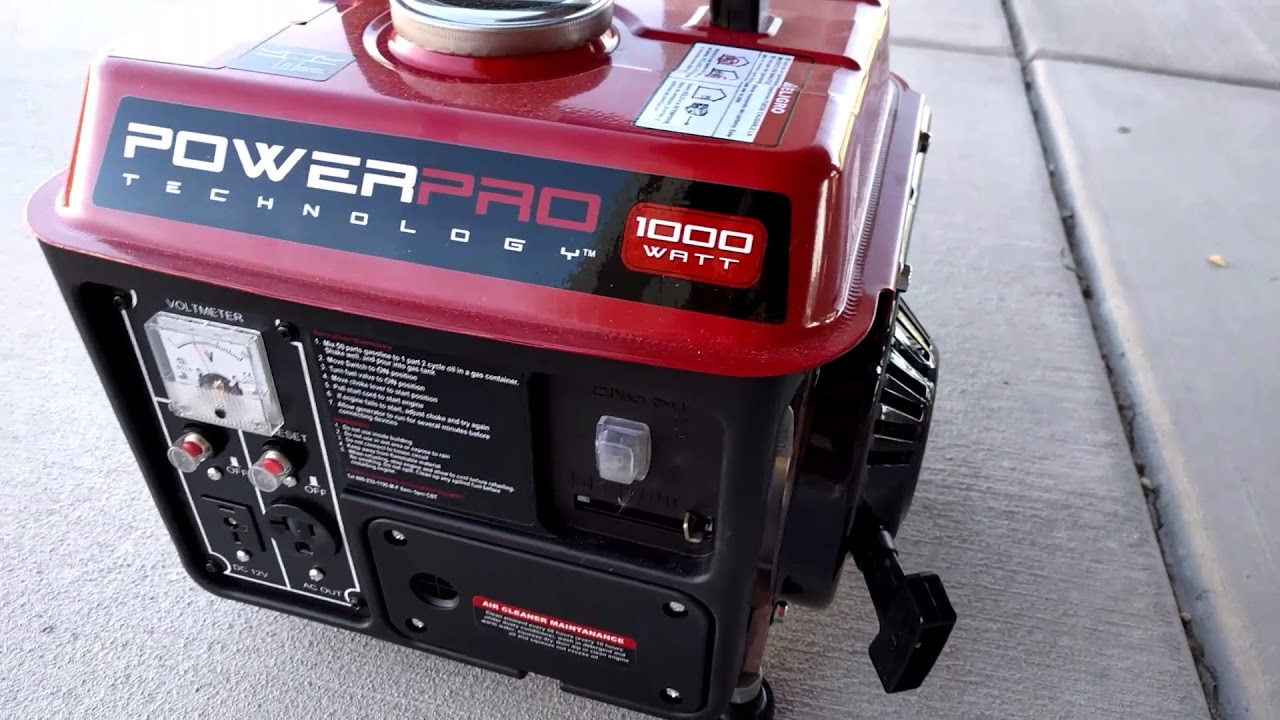
Power outages. They're a modern inconvenience that can quickly turn into a real headache, especially when your precious food is at stake. That's why the question, "Will a 1000 watt generator run a refrigerator?" is surprisingly popular. It's not just about convenience; it's about protecting your investment and ensuring you can weather a storm (literally and figuratively) without losing your groceries. Knowing your generator's capabilities is essential for emergency preparedness and peace of mind.
So, can that little 1000-watt wonder keep your fridge humming? The short answer: it depends. But don't click away just yet! Let's break down why it's not a simple yes or no, and what factors come into play.
First, understand what a generator and a refrigerator do. A generator converts mechanical energy (usually from gasoline) into electrical energy, providing a backup power source. A refrigerator, on the other hand, uses electricity to cool its interior, keeping your food fresh. The key is knowing how much power your refrigerator needs, especially during its startup phase.
Must Read
The reason for the "it depends" answer lies in the starting wattage of your refrigerator. When the compressor kicks on to cool the fridge, it requires a surge of power, often much higher than its running wattage. This starting wattage can be two to three times the running wattage. A typical refrigerator might have a running wattage of around 150-200 watts, but a starting wattage of 600-800 watts.
Now, let's consider your 1000-watt generator. If your refrigerator's starting wattage is within that 1000-watt limit, you're in good shape! However, if the surge exceeds 1000 watts, the generator might overload and shut down, or worse, damage itself or the refrigerator.

Here's how to figure it out: Look for the refrigerator's specifications. Check the sticker inside the fridge or the owner's manual. It should list the running wattage and, ideally, the starting wattage. If the starting wattage isn't listed, a rough estimate is to multiply the running wattage by three.
If your refrigerator's starting wattage is close to or exceeds 1000 watts, you might still be able to make it work, but you'll need to be careful. Avoid running other appliances on the generator simultaneously. Turn off any unnecessary lights or devices plugged into the same circuit as the generator. This ensures all available power goes to the refrigerator during its startup.
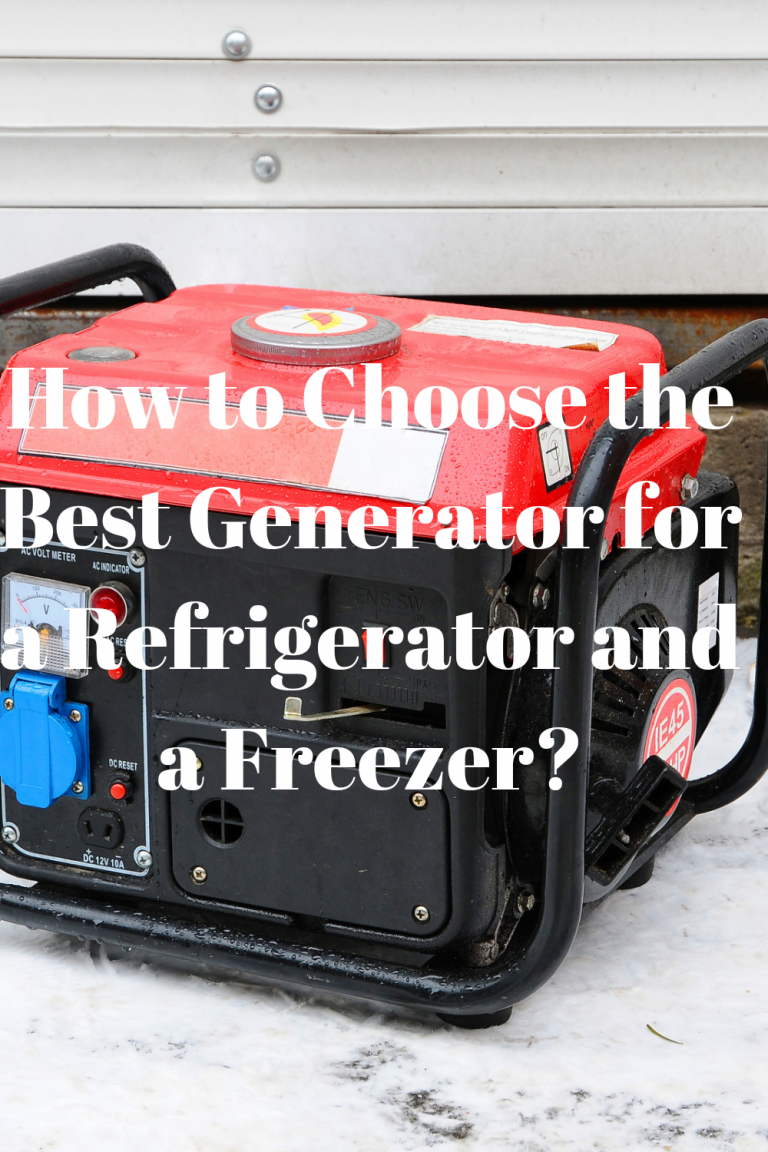
Another thing to consider is the generator's surge capacity. Some generators have a slightly higher surge capacity than their rated wattage, allowing them to handle brief power spikes. Check your generator's specifications to see if it offers this feature. If it does, it might be able to handle a refrigerator with a slightly higher starting wattage.
In conclusion, while a 1000-watt generator might run your refrigerator, it's crucial to do your homework and understand your refrigerator's power requirements. By knowing the running and starting wattages, you can make an informed decision and avoid a potential power outage catastrophe. And remember, when in doubt, err on the side of caution – it's better to be safe than sorry (and lose all your food!).

