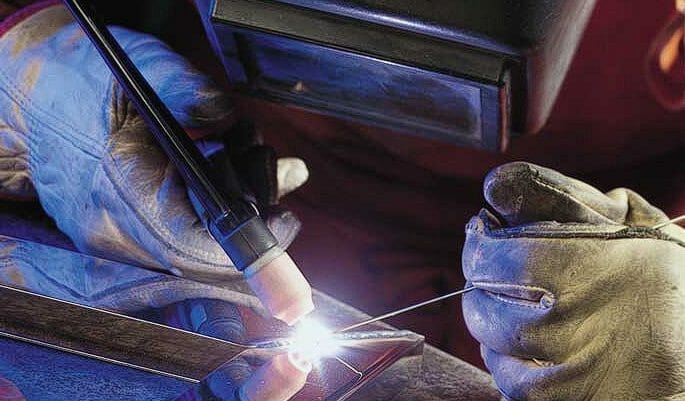
Why Welding Of Stainless Steel Is Difficult
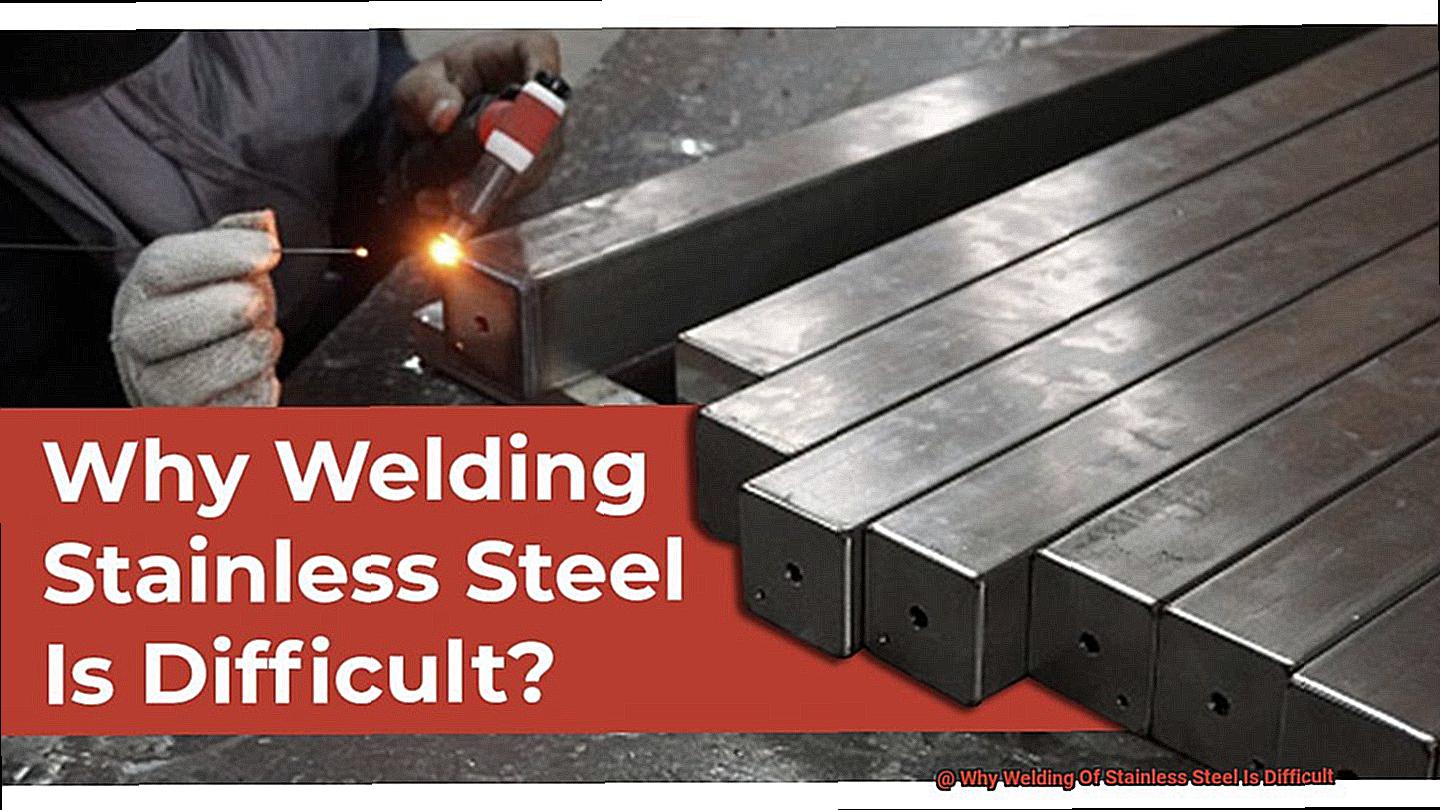
Okay, let's talk stainless steel welding. Sounds super technical, right? Like something only guys in hard hats with sparks flying should care about. But stick with me for a minute, because the quirks of welding this stuff actually affect you every single day, even if you don't realize it. Think about your kitchen sink, your shiny toaster, maybe even the cool railing at your favorite coffee shop. Stainless steel is everywhere, and someone had to weld it together!
So, why is welding stainless steel such a pain? Why can't it just be like welding regular steel? Imagine baking cookies. You've made chocolate chip cookies a hundred times. You know the dough, you know the oven, you know the exact moment they're perfectly golden brown. Now, imagine someone hands you a brand new type of flour, a super-powerful oven, and tells you the cookies have to be perfect or the whole batch is ruined. That's kind of like welding stainless steel.
Heat: The Stainless Steel Villain
One of the biggest issues is heat. Stainless steel doesn't like heat as much as regular steel. It gets all dramatic and warped super easily. It's like that one friend who gets a sunburn after five minutes in the sun, while everyone else is happily tanning. When you weld, you're concentrating a ton of heat in a small area. With regular steel, that heat can spread out a bit. Stainless steel, however, tends to hold onto it, leading to distortion. Imagine trying to iron a silk shirt with a setting meant for denim – that’s the kind of warping we’re talking about. Nobody wants a warped sink!
Must Read
Think of it like this: if you were building a Lego castle, regular steel is like using rectangular bricks. They fit together easily, and you can make a stable structure. Stainless steel is like using those weird, curved Lego pieces that never seem to fit quite right. You need to be extra careful to get everything lined up and supported, or your castle will collapse (or, in our case, your weld will crack).
Corrosion: The Silent Killer
Another problem is corrosion. Stainless steel is supposed to be stainless, right? That's the whole point! Well, welding can mess with that. If you overheat it, you can actually create "sensitization," where the chromium (the element that makes it stainless) reacts with carbon and forms chromium carbide, especially at the grain boundaries, which can lead to localized corrosion. Think of it like giving your superhero a weakness to kryptonite. Suddenly, they're not so super anymore!

This means that after welding, the area around the weld might become more susceptible to rust, which defeats the entire purpose of using stainless steel in the first place. Nobody wants a rusty sink or a coffee shop railing that looks like it's been through a warzone.
Contamination: The Uninvited Guest
Then there's contamination. Stainless steel is a picky eater. It doesn't like impurities creeping into the weld. Things like oil, dirt, or even just the wrong kind of welding rod can cause problems. This is because the weld pool, the molten metal at the point of welding, is highly reactive at high temperature. It can react with these contaminants and leave behind defects and weaknesses in the weld. Imagine trying to bake a cake but accidentally dropping a handful of sand into the batter. Yuck! The cake might look okay, but it'll taste terrible and probably fall apart.
Therefore, extreme cleanliness is required when welding stainless steel. This isn't just wiping things down with a paper towel. We’re talking special cleaning solvents, stainless steel brushes (because even regular steel brushes can leave behind contaminants), and a general atmosphere of surgical precision.
Skills and Expertise: The Welding Jedi
So, what’s the solution? Well, it all comes down to skill and expertise. Welders who work with stainless steel need to be highly trained. They need to understand the different types of stainless steel, the proper welding techniques, and how to control the heat. They're like welding Jedis, mastering the force of heat and metal.
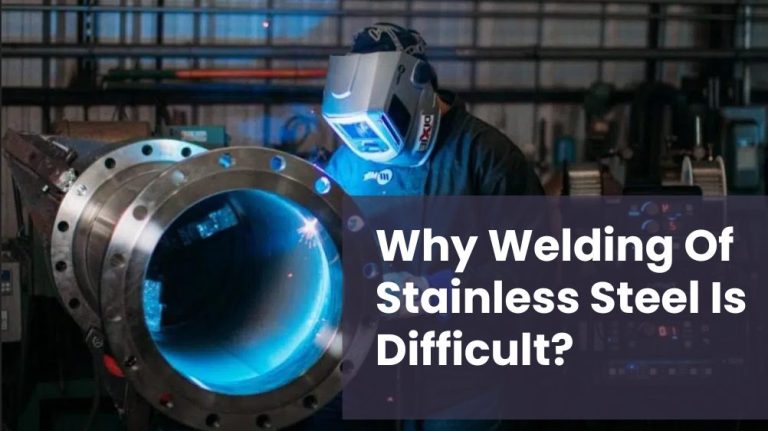
They use special techniques like:
- Gas Tungsten Arc Welding (GTAW/TIG): Which provides more control and precision.
- Shielded Metal Arc Welding (SMAW/Stick): Using special low hydrogen electrodes.
- Pulsed Welding: To control the heat input.
The next time you see a beautifully welded stainless steel object, appreciate the work that went into it. It's not just a matter of sticking two pieces of metal together. It's a delicate dance of heat, chemistry, and skill. And that’s why it’s so important to use qualified welders for stainless steel projects, so you can be sure your toaster and your sink stay shiny and strong for years to come!