
Why Sustainability Is Important For Development

Hey everyone! Let's chat about something super important that might sound a bit intimidating, but trust me, it's not: sustainability. And even more specifically, why it’s so darn important for development. Think of it like this: we’re all building a really cool LEGO castle together (that's our world!), and sustainability is making sure we don’t run out of LEGOs halfway through!
Basically, sustainability means meeting our needs now without screwing things up for future generations. It’s about balancing the environment, society, and the economy. Sounds complicated, right? But it's actually something we can all contribute to, even in small ways.
Why Should I Care?
Okay, I get it. You're busy! So why should you care about some abstract concept like "sustainable development"? Well, because it directly affects your life, and the lives of your kids and grandkids. Let's look at some everyday examples:
Must Read
Think about your morning coffee. That delicious cup of joe relies on farmers growing coffee beans in a sustainable way. Without it, deforestation can ruin habitats, and if the soil is exhausted, well, no more coffee! Sustainable farming practices ensure we can keep enjoying our morning ritual for years to come. So, choosing fair trade or sustainably sourced coffee is like giving those farmers a high-five for doing a good job!
Ever wonder where your clothes come from? Fast fashion is a huge problem. Cheap clothes made in sweatshops with harmful chemicals pollute our environment. Sustainable fashion, on the other hand, focuses on ethical production, using eco-friendly materials, and paying fair wages. Buying from brands that prioritize these things means you're voting with your wallet for a better world. Plus, those clothes tend to last longer, saving you money in the long run! It's a win-win!
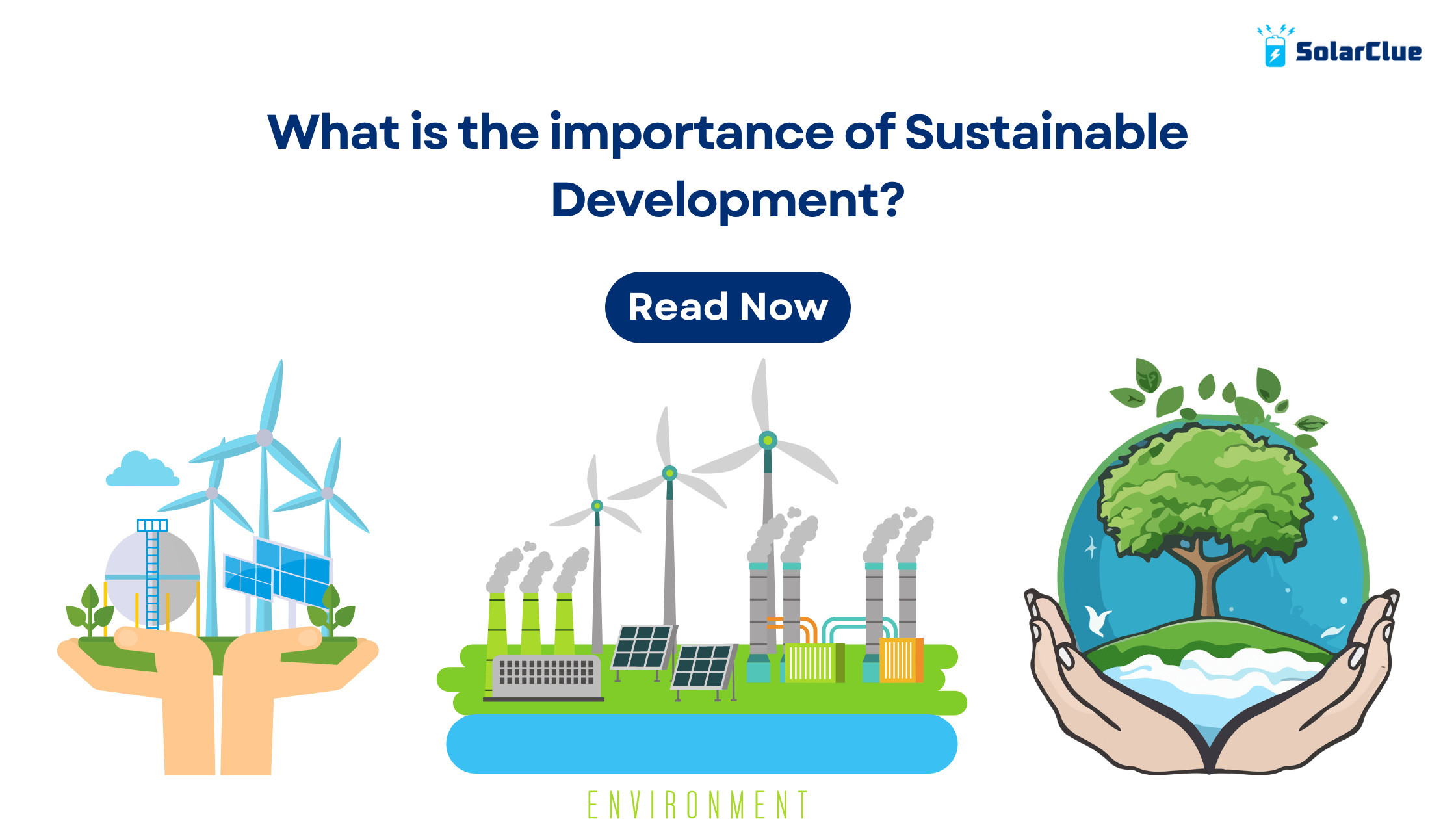
Consider the air you breathe. Pollution from factories and cars contributes to climate change and respiratory problems. Investing in renewable energy sources like solar and wind power, and supporting public transportation helps clean up our air and creates a healthier environment for everyone. Even biking to work instead of driving, when possible, makes a difference.
Development: Building a Better Tomorrow
Now, let’s talk about development. When we talk about "development," we mean improving people's lives – better access to education, healthcare, clean water, and a decent standard of living. But here’s the catch: development that ignores sustainability is like building a house on shaky foundations. It might look good at first, but it won’t last.
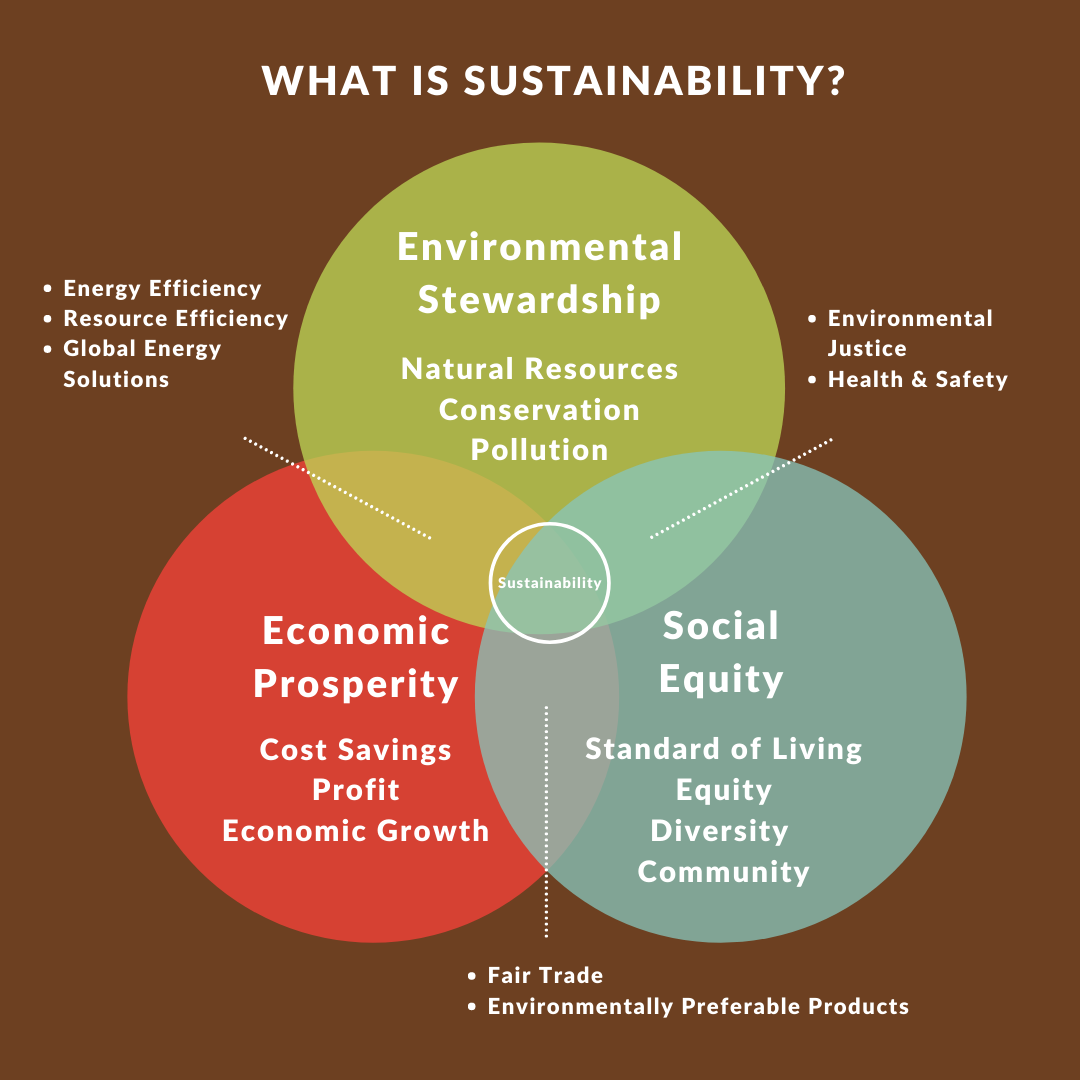
Unsustainable development can lead to all sorts of problems: deforestation, soil erosion, water scarcity, and climate change, all of which negatively impact communities, especially vulnerable populations. Imagine a village relying on a river for drinking water. If a factory upstream pollutes the river, it jeopardizes the health and well-being of the entire village. That's why sustainable practices, such as responsible industrial waste management, are critical.
Sustainable development, on the other hand, aims to improve lives while protecting the environment. It means investing in renewable energy, promoting sustainable agriculture, building eco-friendly cities, and empowering local communities. It's about finding solutions that benefit both people and the planet.

Small Changes, Big Impact
The good news is, you don't have to be a superhero to make a difference! Small changes in your daily life can have a ripple effect. Here are a few ideas:
- Reduce, Reuse, Recycle: This classic mantra is still relevant! Cut down on waste by using reusable bags, water bottles, and coffee cups. Recycle whenever possible, and consider composting food scraps.
- Conserve Energy: Turn off lights when you leave a room, unplug electronics when they're not in use, and consider switching to energy-efficient appliances.
- Eat Local and Seasonal: Supporting local farmers reduces the environmental impact of transporting food and helps boost your local economy. Plus, seasonal produce tastes better!
- Choose Sustainable Products: Look for products with eco-labels, such as the Fair Trade logo or the Forest Stewardship Council (FSC) certification.
- Educate Yourself and Others: Learn more about sustainability and share your knowledge with friends and family.
Think of it like this: Each small action is like adding another LEGO brick to our sustainable castle. The more bricks we add, the stronger and more beautiful our castle becomes! And remember, no one expects you to be perfect. The key is to be mindful of your choices and strive to make more sustainable ones whenever possible.
Sustainability is not just some abstract concept; it’s about creating a better future for ourselves, our children, and our planet. It's about making sure we have enough LEGOs for everyone to build their own amazing castles. So, let's all do our part, one small step at a time, to create a more sustainable and equitable world for all!
.png)