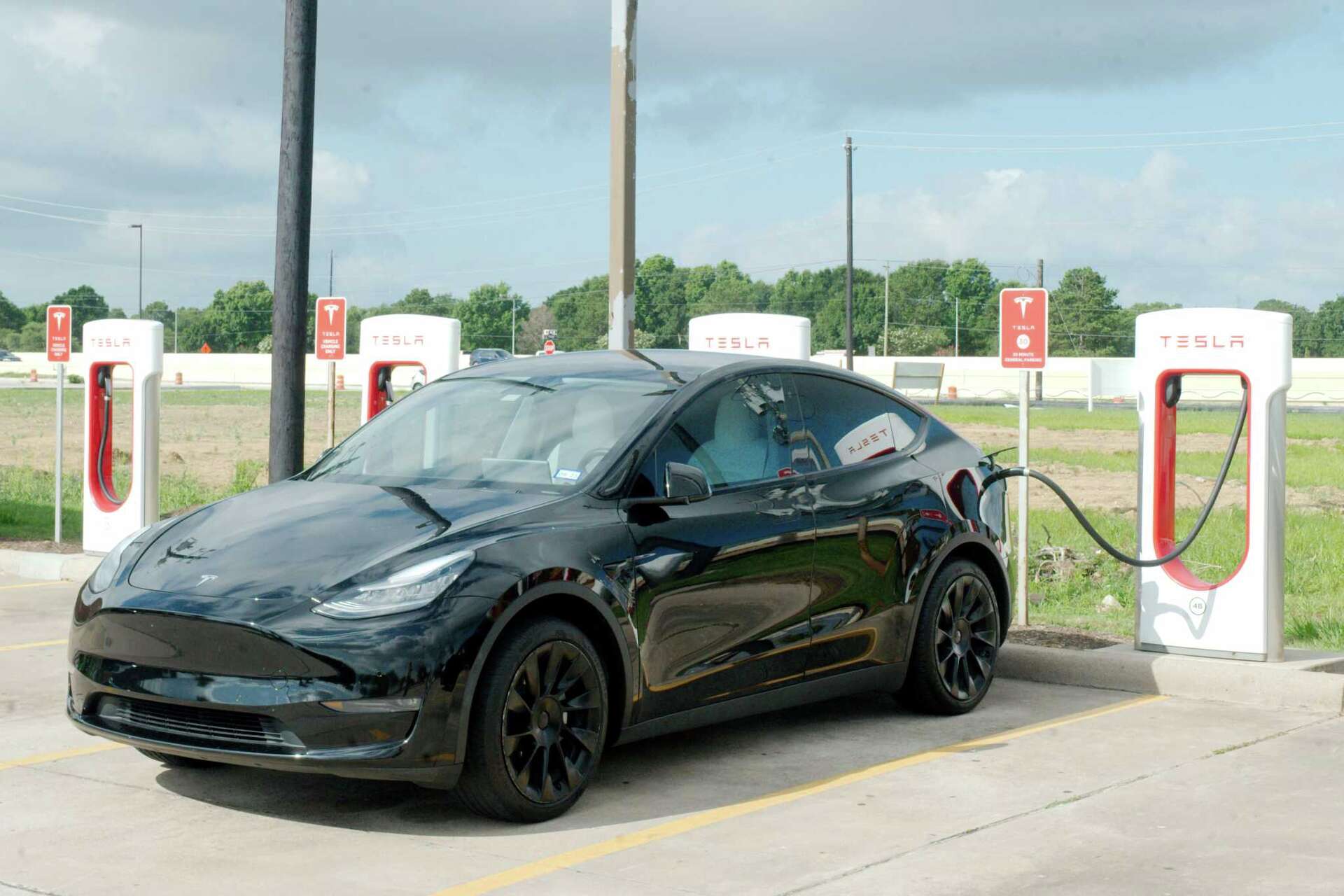
Why Is There An Electric Vehicle Fee In Texas

Hey y'all! Ever wondered about that little extra somethin' you see on your registration renewal in Texas if you drive an electric vehicle (EV)? Yeah, the EV fee. It's not exactly a party favor, but let's dig into why it exists and see if we can make some sense of it, maybe even find a little appreciation for the quirky logic behind it. Think of it like this: it's not the most exciting plot twist, but it's part of the story of how Texas is trying to navigate the future of driving.
The Gas Tax Gauntlet: Where the Money Comes From (Usually)
So, what fuels (pun intended!) the roads you cruise on in Texas? Primarily, it's the gas tax. Every time you fill up your gas-guzzler (or, ahem, used to fill up your gas-guzzler), a portion of that money goes directly to funding road construction and maintenance. Think of it like this: every gallon is chipping in for potholes. Pretty straightforward, right?
Now, here's where EVs enter the chat. They don't use gasoline, do they? So, they're essentially bypassing the gas tax. And that, my friends, is where the electric vehicle fee comes into play. It’s like showing up to a potluck without bringing a dish – you still get to eat, but maybe there's a suggested donation at the door.
Must Read
The EV Fee: Texas's Answer to the Missing Gas Tax
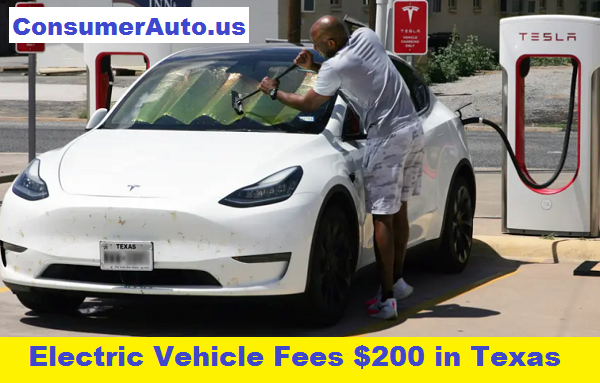
The EV fee is Texas's attempt to ensure that everyone contributes to the upkeep of the roads, regardless of what powers their ride. The amounts can vary depending on the year and type of EV, so always check the latest official details with the Texas Department of Motor Vehicles. You don’t want to be surprised at registration time!
But is it fair? Ah, that’s the million-dollar question (or maybe just a few hundred dollars, depending on how you look at it). Some argue that EVs are already benefiting the environment and should be incentivized, not penalized. Others say that everyone needs to pay their fair share for the infrastructure they use. It's a real head-scratcher, kinda like trying to assemble IKEA furniture without the instructions!
Road Warriors vs. Battery Boosters: A Question of Fairness
Let's break it down a bit more. Imagine two cars: a gas-powered SUV and a sleek, electric sedan. Both are cruising down the highway, putting wear and tear on the road. The SUV is constantly contributing through the gas tax. The EV, on the other hand, is silent on the gas tax front. That's where the fee steps in, aiming to level the playing field.
However, here's a fun twist. EVs often weigh more than their gasoline counterparts, due to the heavy battery packs. This can lead to more wear and tear on the roads. So, theoretically, they might even be contributing more to the problem! It’s a complicated equation, like trying to figure out the tip at a restaurant with a large group and split bills.
More Than Just Roads: The Bigger Picture
Now, it’s easy to just see this as one tax against another. The road isn’t built on gas tax alone. Vehicle registration fees, local property taxes, and federal funds all contribute. Still, the idea is for EVs to pay for the road usage that they are responsible for. A lot of tax funding is like that.
It’s all about creating a more sustainable transportation system for the future. The EV fee could potentially fund projects that support electric vehicle adoption, such as charging station infrastructure. It's about planning for the long haul, like planting a tree you might not even see fully grown.
The Future is Electric (and Probably Still Has Fees)
Whether you love it or hate it, the EV fee is likely here to stay, at least for the foreseeable future. As more and more people switch to electric vehicles, states will continue to grapple with how to fund their transportation systems. It’s an evolving situation, and the answers aren’t always clear-cut.
So, the next time you see that EV fee on your registration renewal, remember that it's part of a larger conversation about how we pay for our roads and infrastructure. It’s not always the most fun conversation, but it’s an important one. Maybe, someday, we'll have a simpler, more equitable system. Until then, keep on cruisin' (responsibly, of course!), and let's keep the discussion going!
Think of it as a down payment on a cleaner, greener future... that just happens to come with a small, but significant, fee.