Why Is The Greenhouse Effect Bad
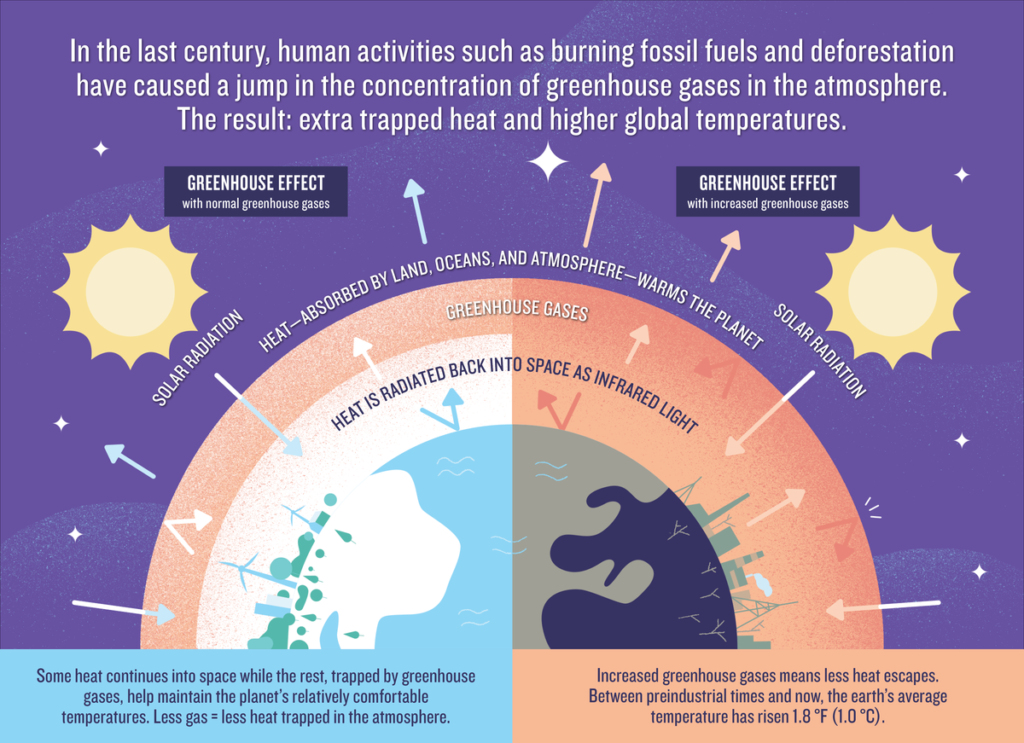
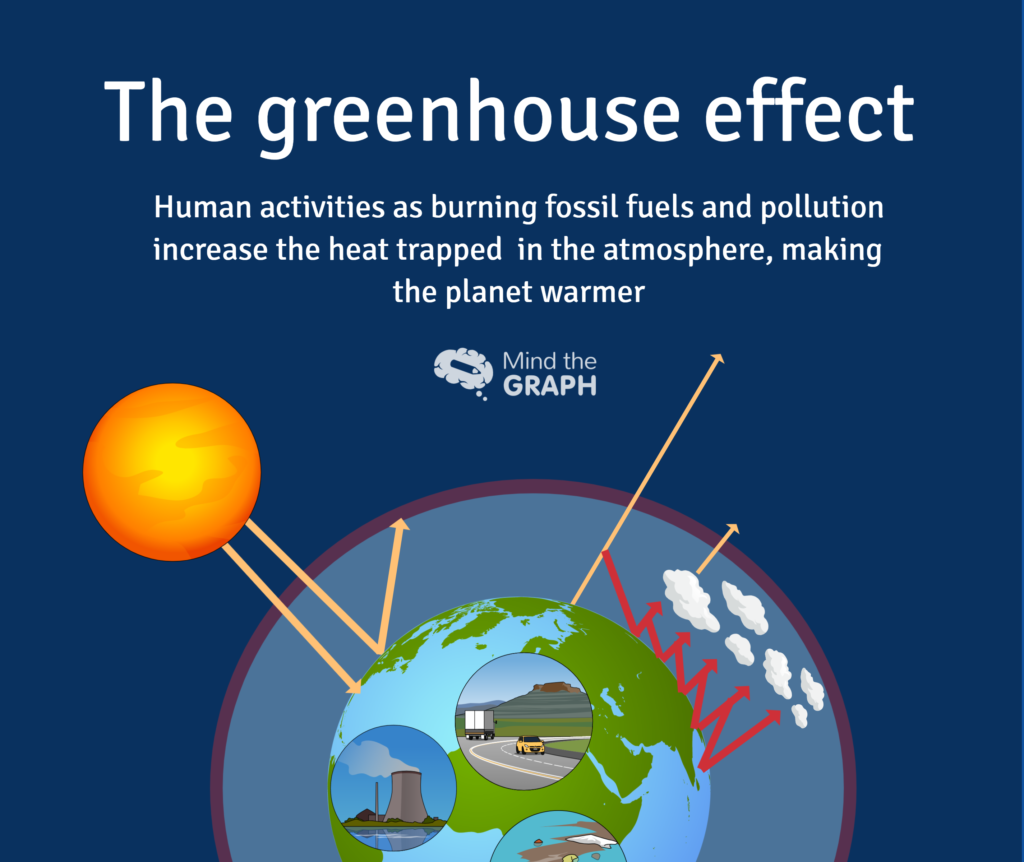
Alright, let's chat about something that sounds a bit like a science experiment but actually affects our daily lives more than you might think: the greenhouse effect. Now, don't get us wrong, the natural greenhouse effect is actually a pretty fantastic thing. Without it, Earth would be a frozen, desolate rock, and we certainly wouldn't be enjoying our morning coffee or planning our next beach getaway. It’s like our planet's cozy, invisible blanket, keeping us warm enough for life to flourish.
So, What's the Problem If It's So Good?
Here’s the rub: too much of a good thing can, well, be a bad thing. Imagine snuggling up with a warm blanket on a chilly night – perfect! Now imagine piling on five extra duvets in the middle of summer. You’d be sweltering, right? That’s essentially what’s happening with our planet. Human activities, particularly since the industrial revolution, have been adding extra layers to that blanket, making it thicker and trapping more heat than our Earth needs.
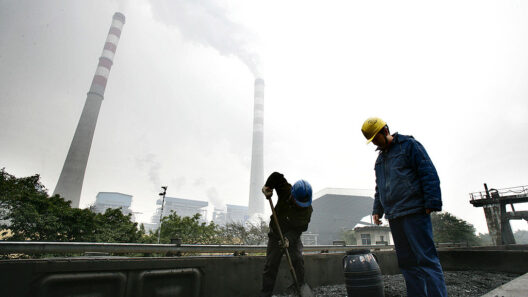
These extra layers come in the form of what we call greenhouse gases – things like carbon dioxide (CO2) from burning fossil fuels (think driving cars, powering factories), methane from agriculture and waste, and a few others. They’re fantastic at trapping heat, which is why, when there’s too much of them, our planet starts to feel the burn.
Must Read
The Big Meltdown (Literally)
One of the most immediate and talked-about consequences is global warming. This means the average temperature of the Earth is rising. And it's not just about slightly warmer winters; we're seeing more intense and frequent heatwaves, making those "hot girl summer" memes feel a little too real and a lot less fun for many regions. Think about cities experiencing record-breaking temperatures, affecting everything from our health to our outdoor plans.
Fun fact: The last decade was the warmest on record!
When Weather Goes Wild
A warmer planet also means more energy in the atmosphere, leading to some seriously erratic weather patterns. We’re talking about extreme weather events becoming more common and more severe. Picture this:
- Heavier rain and floods: Warmer air holds more moisture, so when it rains, it really pours.
- More intense droughts: Other regions dry out, leading to water shortages and devastating wildfires.
- Stronger storms: Hurricanes and typhoons gain more power over warmer ocean waters.
It’s like Mother Nature is having a really bad mood swing, and we’re all caught in the crossfire.
Oceans on the Move
Remember those polar ice caps and glaciers? They're melting at an alarming rate due to rising temperatures. This, combined with the fact that warmer water actually expands (it's called thermal expansion – another cool science fact!), is causing sea levels to rise. For folks living in coastal communities, this isn't just a distant threat; it means increased flooding, eroding coastlines, and even entire islands facing submergence. Imagine iconic coastal cities like Miami or Venice facing permanent changes.
Nature's Tipping Point
Our incredible planet is home to a breathtaking array of plants and animals, but they're struggling to adapt to these rapid changes. Ecosystems are delicate balances, and when temperatures shift quickly, species can't keep up. We're seeing mass coral bleaching events (say goodbye to the vibrant underwater worlds of places like the Great Barrier Reef if this continues), shifts in animal migration patterns, and an alarming rate of biodiversity loss. It's not just sad; it impacts the very intricate web of life that supports us all.
Beyond the Obvious: Food, Health, and Harmony
The greenhouse effect isn't just about polar bears; it touches us directly. Changing weather patterns affect crop yields, potentially leading to food insecurity. Extreme heat can worsen respiratory and cardiovascular diseases, making our summers less healthy. And let's be honest, living in a world prone to more natural disasters and environmental stress isn't great for anyone's peace of mind or for global stability.
So, What Can We Do?
It can feel overwhelming, but here's the good news: we're not powerless! Every little bit helps. Think about:
- Reducing your energy consumption: Unplugging devices, switching to LED lights, maybe even opting for public transport or a bike sometimes.
- Embracing sustainable choices: Supporting brands committed to eco-friendly practices, choosing reusable items over disposables.
- Eating more plant-based meals: Meat production, especially beef, is a significant contributor to methane emissions. Even a few meatless Mondays make a difference!
- Planting trees: Trees are natural carbon sinks, absorbing CO2 from the atmosphere. Get your hands dirty!
- Speaking up: Talk about it with friends, family, and advocate for policy changes. Collective action is powerful.
A Final Thought
Understanding why the enhanced greenhouse effect is bad isn't about fear-mongering; it's about empowerment. It’s about recognizing that our actions, big and small, have a ripple effect on the amazing planet we call home. Just as we enjoy the simple pleasures of a sunny day or a crisp autumn evening, let's all play a part in ensuring future generations can experience that same natural beauty and stability. Our Earth is a precious, shared home, and it’s up to all of us to be its best caretakers.