Why Is Texas Weather So Wild
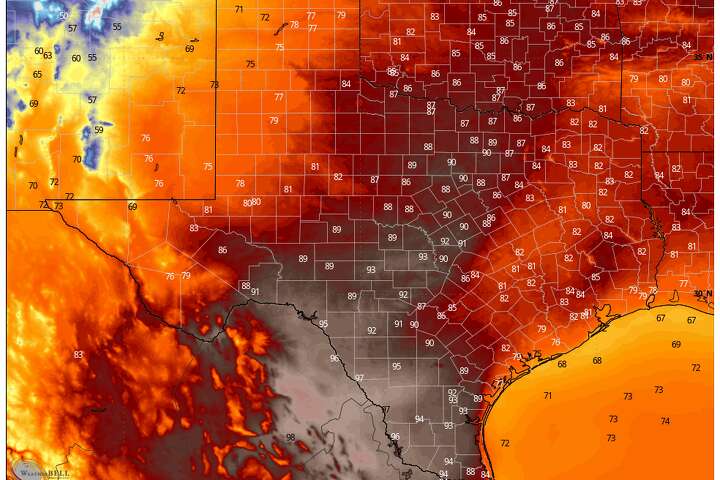
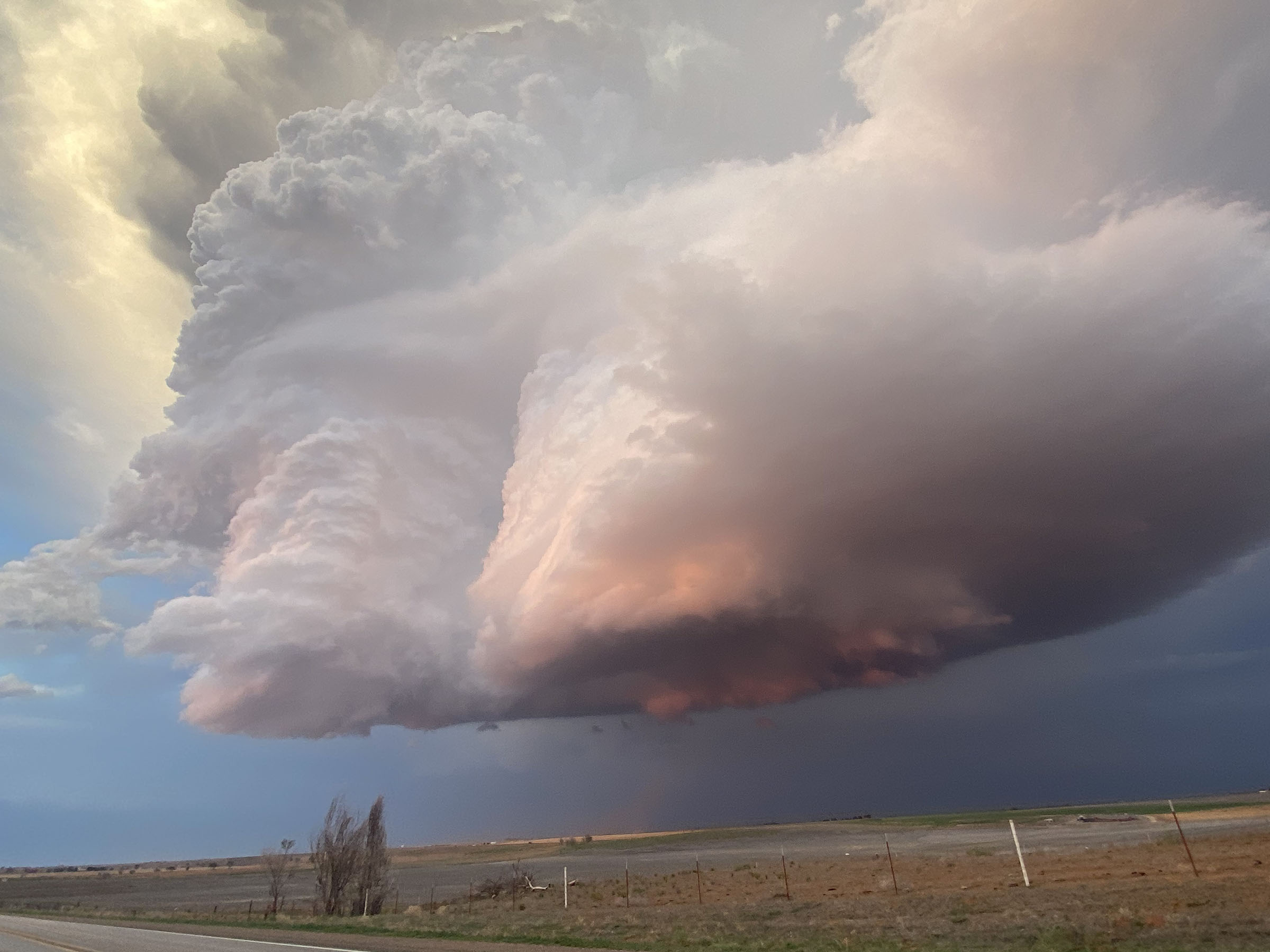
Ever found yourself staring at a weather forecast in Texas, scratching your head as it predicts everything from sunshine to hailstones, sometimes all in the same day? Or perhaps you've heard a friend from the Lone Star State lament about wearing shorts and a winter coat on the very same Monday? If so, you've stumbled upon one of Texas's most captivating, and at times confounding, characteristics: its truly wild weather. It's not just a topic for small talk; understanding why Texas weather is so dynamic offers a fascinating peek into the intricate dance of our planet's atmosphere, and honestly, it’s just plain fun to learn!
The purpose of exploring this isn't just to marvel at the chaos, but to gain a deeper appreciation for the forces that shape our world. By understanding the unique geographical and atmospheric reasons behind Texas's dramatic shifts, we become more informed observers of our environment. The benefits extend beyond casual curiosity; knowing the 'why' behind the 'what' can help us prepare better for sudden changes, from simply packing the right layers for the day to understanding critical severe weather alerts. It's about building a better intuition for the world around us, turning confusion into genuine insight.
This kind of knowledge isn't confined to meteorology labs; it plays out in our daily lives and can be a fantastic educational tool. In a classroom, exploring Texas weather can be a prime example for teaching about different air masses, pressure systems, and the impact of geography on climate. Students can model how warm, moist air from the Gulf of Mexico clashes with cold, dry air from the Rockies and hot, dry air from the deserts, creating a meteorological "battleground." In daily life, this understanding helps you interpret the news more critically when a meteorologist explains a "dry line" or a rapidly developing "supercell." It makes you think twice about planting delicate flowers too early in spring, or about how quickly a flash flood can occur after a sudden downpour. It even shapes our cultural narratives, with stories of dramatic weather woven into the very fabric of Texan identity.
Must Read
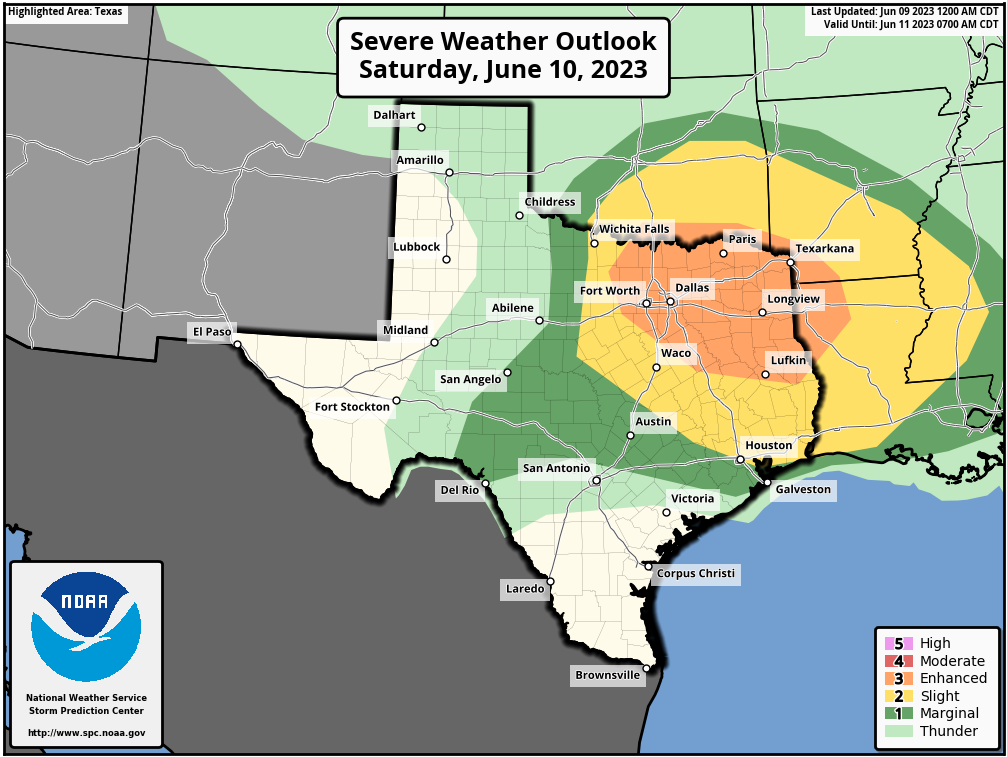
Ready to become your own armchair meteorologist? There are some simple ways to explore this phenomenon. First, try keeping a weather journal for a week. Note the temperature, wind direction, any precipitation, and how quickly conditions change. You might be surprised! Second, pay closer attention to local weather maps on the news or your favorite weather app. Look for the lines that indicate cold fronts, warm fronts, and especially the "dry line" – this invisible boundary is often where much of Texas's wild weather originates. Third, consider researching the basic principles of how different air masses interact. Understanding concepts like convection and frontal systems will illuminate why a perfectly sunny morning can turn into a stormy afternoon. Lastly, simply talk to people! Texans love to share their weather stories, and you'll find a wealth of anecdotal evidence that perfectly illustrates the state's incredible atmospheric dynamism. The more you observe and ask "why," the more the fascinating puzzle of Texas's wild weather begins to click into place.