Why Is Smoke Alarm Beeping
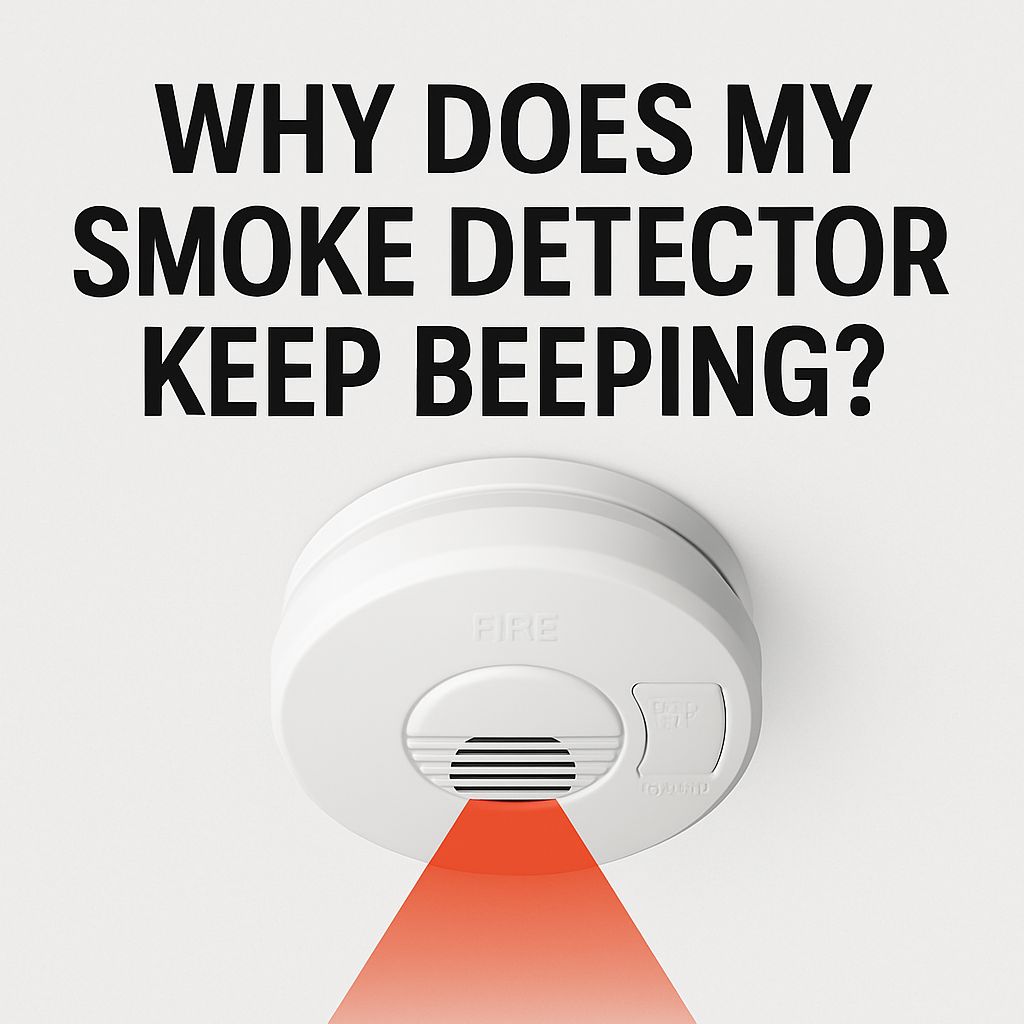
Ah, the smoke alarm! It’s one of those unsung heroes in our homes, quietly standing guard. But then, one day, it decides to make its presence known with an insistent, often infuriating, beep. If you've ever been jolted awake or interrupted mid-conversation by that sudden chirp, you're not alone! Understanding
This topic is incredibly useful for a variety of folks. For beginners or new homeowners, learning the language of your smoke alarm means you won't panic at the first chirp. You'll understand the difference between a real emergency and a simple maintenance reminder. For families, it's about creating a safer environment. Knowing how to quickly address a chirping alarm means less stress during those late-night wake-up calls and more confidence that your protection is always active. And for anyone who loves a bit of DIY or home maintenance, knowing the ins and outs of your smoke alarm's beeps can save you a service call and help you proactively manage your home's safety devices.
So, what are these beeps actually telling us? The most common culprit for an intermittent chirp (usually every 30-60 seconds) is a low battery. This is your smoke alarm's way of saying, "Hey, I'm running low on juice, time for a fresh one!" Another common reason, often overlooked, is the end-of-life warning. Most smoke alarms have a lifespan of about 7-10 years. After this, their sensors become less reliable, and they'll start chirping to let you know it's time for a full replacement – not just new batteries. Sometimes, dust or insects getting into the sensor can also trigger nuisance beeps, or even a sudden change in humidity. A continuous, loud alarm, however, is a very different story – that's when it truly suspects fire and demands immediate attention.
Must Read
Ready to tackle that pesky beeping? Here are some simple, practical tips to get you started. First, identify the type of beep: is it a constant, loud alarm (potential fire!) or an intermittent chirp (likely maintenance)? For the latter, the first thing to do is check and replace the batteries. Make sure to use fresh, reputable batteries. If it's a hardwired alarm with a battery backup, replace the backup battery too. Next, look for a manufacturing date or expiration date on the back of the alarm. If it's older than 7-10 years, it's time for a replacement. A quick clean with a vacuum cleaner nozzle around the vents can help dislodge any dust or small insects. Finally, after changing batteries or cleaning, press the "test" or "hush" button to reset it. If the chirping persists, you might need a new unit.
Understanding why your smoke alarm is beeping empowers you, keeps your home safer, and banishes that irritating chirp from your life. It’s a small bit of knowledge that brings a great deal of value and peace of mind, allowing you to enjoy your home without unnecessary beeps and worries.