
Why Is Nuclear Energy Non Renewable Resource
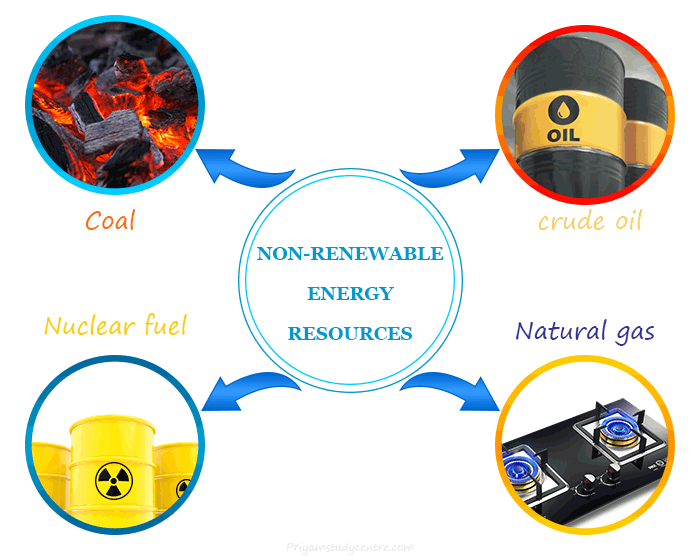
Okay, let's talk nuclear energy. It's this whole thing that’s been powering homes (and submarines!) for decades. But is it renewable? Spoiler alert: the answer is mostly no. But hey, before you click away, stick with me! It’s more interesting than it sounds, I promise.
So, what's the deal? Why isn't nuclear power popping up on the same "green energy" lists as solar or wind? Well, the key lies in the fuel it uses: primarily uranium. Think of uranium like the gas in your car. You burn it, it makes energy, and eventually, you run out. Except, instead of a gas tank, we're talking about the Earth's crust.
The Uranium Story: Not Exactly Endless
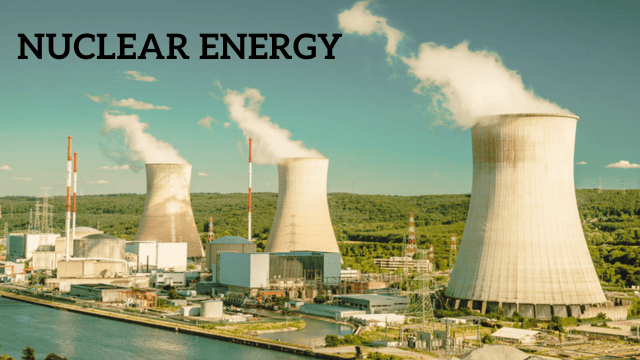
Uranium is a naturally occurring element. We dig it out of the ground, process it, and then use it in nuclear reactors to create electricity through a process called nuclear fission. Fission, in a nutshell, is like splitting an atom of uranium which releases a TON of energy in the form of heat, which boils water, creates steam, and drives a turbine. Simple, right?
Must Read
But here's the rub: Uranium, like oil or coal, is a finite resource. It's not something that magically replenishes itself. What does 'finite' mean? Well, it means there's a limited amount on Earth. We haven't dug it all up yet, but we will eventually. Think of it like your favorite pizza. Delicious, but eventually, you'll eat it all, and then it's gone (unless you order another one, of course!).
Now, you might be thinking, "Okay, but the Earth is HUGE! Surely there's tons of uranium!" And you'd be right...ish. There is a decent amount of uranium out there, but not all of it is easily accessible or economically viable to mine. Imagine trying to find gold, but it's scattered thinly across the Sahara Desert. Possible? Maybe. Practical? Probably not.
Renewable-ish? The Breeder Reactor Exception
Okay, here's where things get a little more complicated, and frankly, pretty cool. There's this thing called a breeder reactor. What's that, you ask? It's basically a nuclear reactor that can produce more fissile material (the stuff that can be split to create energy) than it consumes. It's like a magical energy factory that makes its own fuel!
How does it work? Breeder reactors typically use uranium-238 (a more common form of uranium) and convert it into plutonium-239, which is fissile. In theory, this could significantly extend the lifespan of our uranium resources. It's like figuring out how to make your pizza stretch further by creating extra dough from the leftover crust!
However, breeder reactors are still under development and aren't widely used commercially. There are concerns about cost, safety, and the potential for nuclear proliferation (the spread of nuclear weapons). So, while breeder reactors offer a potential pathway to a more sustainable nuclear future, they're not quite ready for prime time.

The Thorium Option: Another Potential Game Changer
And speaking of cool alternatives, let's talk about thorium. Thorium is another naturally occurring element that's even more abundant than uranium. Some scientists believe that thorium-based reactors could be safer, cleaner, and more efficient than uranium-based reactors. Think of it as upgrading from a regular smartphone to a super-powered, eco-friendly version.
Thorium reactors are still largely in the research and development phase, but they offer another promising avenue for extending the lifespan of nuclear energy. They could potentially offer a more abundant and sustainable fuel source.
So, What's the Verdict?
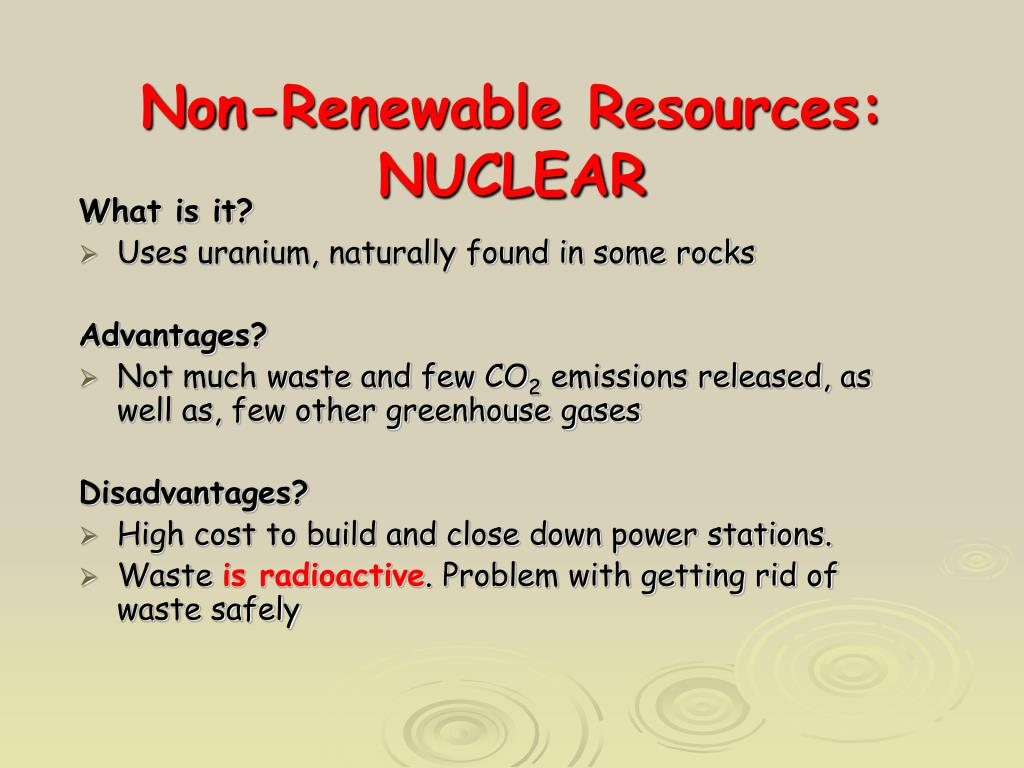
Ultimately, conventional nuclear energy, using uranium in standard reactors, is considered a non-renewable resource. This is because uranium is a finite resource that will eventually be depleted. Think of it like a battery that eventually runs out of charge.
However, emerging technologies like breeder reactors and thorium reactors offer the potential to make nuclear energy a more sustainable option in the future. While they are not yet widely implemented, they represent exciting possibilities for extending the lifespan of nuclear power and reducing our reliance on fossil fuels. They are constantly seeking to address safety concerns, but the fact that these alternatives exist can spark hope for a better and more sustainable future for nuclear energy.
So, is nuclear energy renewable? Not yet. But is it interesting and constantly evolving? Absolutely! The story of nuclear power is far from over, and the future may hold some surprises.
