
Why Is Natural Gas So Expensive
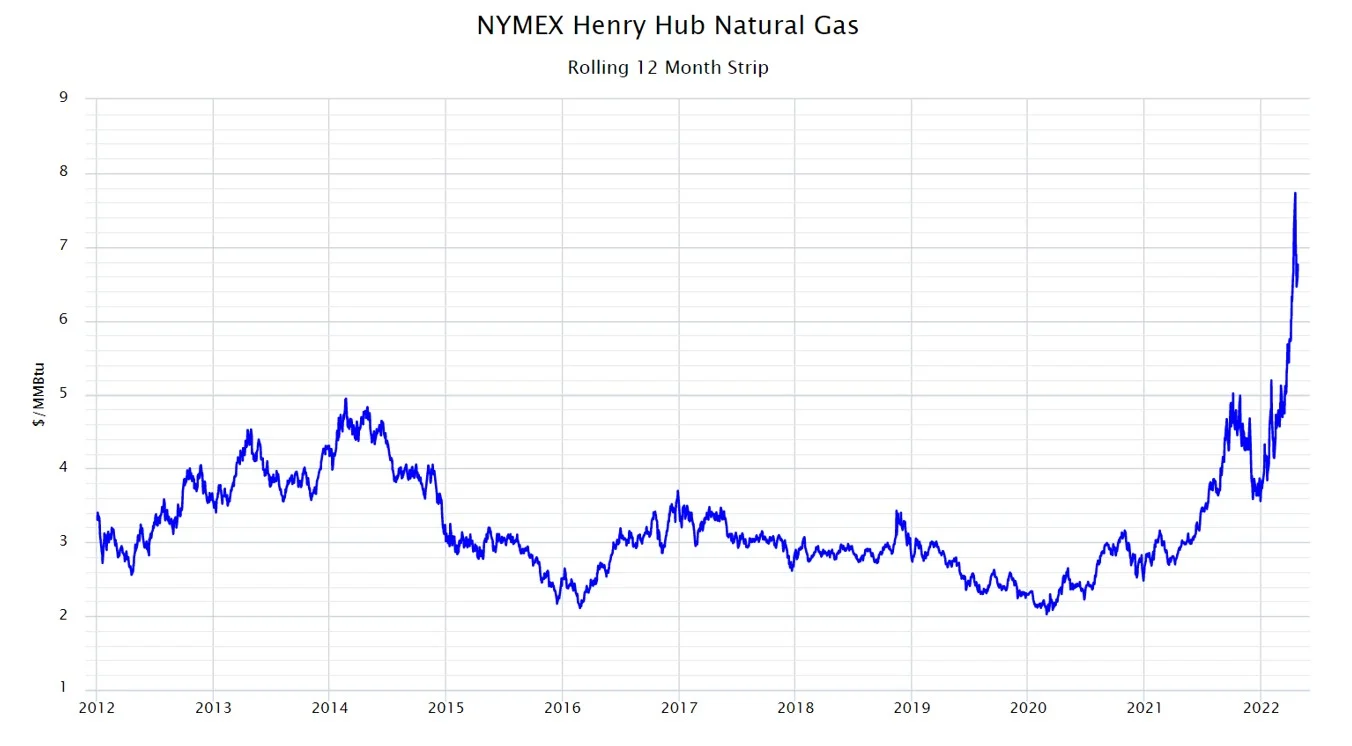
Ever get that sinking feeling when your utility bill lands in your inbox, only to find the natural gas charges have decided to throw their own little party? You’re not alone. It’s like clockwork: winter rolls around, and suddenly, keeping warm feels like buying concert tickets for a sold-out show. So, why is natural gas being such a diva with its pricing lately?
Let's peel back the layers of this energy enigma with an easy-going vibe. It’s not just one villain; it’s a whole cast of characters influencing what you pay to heat your home or cook your ramen.
The Classic Supply & Demand Shuffle
Ah, the OG of economics. Think of natural gas like the hottest new gadget. When everyone wants it (hello, cold snap!), and there's not enough to go around, prices naturally shoot up. Conversely, if there's a surplus and demand is low, prices dip. Simple, right?
Must Read
During a frigid winter, homes are blasting their furnaces, and power plants are using more gas to generate electricity. This surge in demand creates a bottleneck, and suddenly, the gas on the market becomes a hot commodity. It’s a bit like the great toilet paper crisis of 2020 – when demand spiked unexpectedly, shelves (and prices) went wild.
Fun Fact: Did you know natural gas is often measured in British Thermal Units (BTUs) or therms? One therm is roughly 100,000 BTUs, which is enough energy to heat a small house for an hour or so!
The Global Dance: Geopolitics & World Events
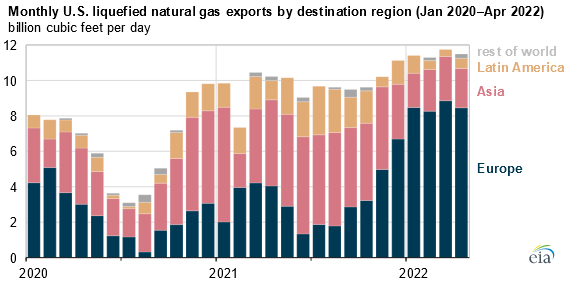
Natural gas isn’t just a local affair; it’s a global commodity, traded across continents. This means that what happens in Europe, Asia, or the Middle East can absolutely ripple back to your thermostat. Think of it as the butterfly effect, but with pipelines and giant liquefied natural gas (LNG) tankers.
For instance, disruptions from international conflicts, sanctions, or even a major pipeline outage in a key producing region (like Russia or the Middle East) can send shockwaves through global markets. When Europe needs more LNG because its usual supply lines are squeezed, it bids up the price, drawing gas away from other markets, which can then affect prices everywhere else, including here.
It’s a complex, interconnected web, and sometimes, those distant rumblings can make a very real difference to your monthly bill.
The Price of Getting It to You: Infrastructure & Transport
Natural gas doesn't just magically appear in your furnace. It undertakes an epic journey! First, it's extracted from deep underground. Then, it needs to be processed and cleaned. Finally, it travels thousands of miles through a vast network of pipelines – think of it as the internet for gas, but with more steel.
Building and maintaining this colossal infrastructure costs serious cash. From the gas wells to the main transmission lines, and then to the local distribution lines that snake under your streets, every stage has its operational and maintenance expenses. These costs are bundled into what you pay. It’s not just the gas itself, but the delivery service that adds up.

Did you know? The U.S. has over 2.4 million miles of natural gas pipelines – enough to circle the Earth nearly 100 times!
Storing Up for Winter: The Cost of Preparedness
Gas companies don't just pull gas out of the ground exactly when you need it. They store massive amounts of it underground during warmer months to meet peak winter demand. Imagine a giant underground pantry filled with energy!
These storage facilities are expensive to build and maintain. Plus, the gas itself has to be purchased when it’s available, sometimes months in advance. The cost of buying, storing, and managing these reserves plays a role in the price you see when winter hits. It’s all about ensuring you have heat when you need it most, even if it comes with a premium.
What Can You Do About It? (Practical Wisdom!)
While we can't exactly control global energy markets or geopolitical dramas, we're not entirely powerless. Here are a few ways to soften the blow:
- Embrace Efficiency: Seal those leaks! Weatherstrip windows and doors. Add caulk where needed. It’s amazing how much heat literally flies out the window.
- Smart Thermostats are Your Friend: Devices like Nest or Ecobee can learn your habits and optimize your heating, often saving you a decent chunk of change without you lifting a finger.
- Tune Up Your Furnace: A well-maintained furnace runs more efficiently, burning less gas to achieve the same warmth. Think of it as an oil change for your car – essential for optimal performance.
- Lower the Dial (Just a Bit): Even dropping your thermostat by a couple of degrees can make a noticeable difference over time. Layer up! There's a reason grandmas always suggested an extra sweater.
- Look into Budget Billing: Many utilities offer plans that average your yearly usage into consistent monthly payments, avoiding those scary winter spikes.
A Little Reflection for Your Day
Understanding why natural gas prices fluctuate isn't just about smart budgeting; it’s about appreciating the incredible, complex systems that bring comfort right into our living rooms. From subterranean wells to global trade routes, a vast network is at play, allowing us to enjoy a cozy night in, bake cookies, or take a warm shower.
While we can’t dictate global energy trends, we can be mindful consumers. A little knowledge empowers us to make smarter choices, conserve more, and appreciate the warmth we have, knowing a bit more about the intricate journey it took to get there. So next time you feel that warm air, give a little nod to the incredible journey – and maybe consider that extra sweater!