Why Is My Second Floor So Hot

Ah, the age-old mystery, the universal truth, the phenomenon that unites homeowners, renters, and even curious houseguests across the globe: Why is my second floor so hot? It’s a question whispered in exasperation on sweltering summer nights, a puzzle pondered over lukewarm iced tea. But what if we told you that this common domestic dilemma isn't just a problem to be solved, but a fascinating subject worthy of lighthearted exploration, offering a surprising amount of creative insight and practical wisdom?
Consider the "hot second floor" not as a flaw, but as your home's subtle invitation to become a lay scientist, an amateur architect, or even an observational artist. For the casual learner, it’s an accessible entry point into the principles of thermodynamics and airflow, demystifying the very structure you inhabit. Suddenly, your house isn't just four walls and a roof; it's a living laboratory. For hobbyists, particularly those with a DIY spirit, understanding this phenomenon is the first step towards clever, comfort-enhancing projects, transforming frustration into productive engagement. And for the artist? Think of the stories, the visual metaphors! A sun-baked attic could inspire a poem about hidden warmth, or a painting capturing the intense glow of a summer afternoon upstairs.
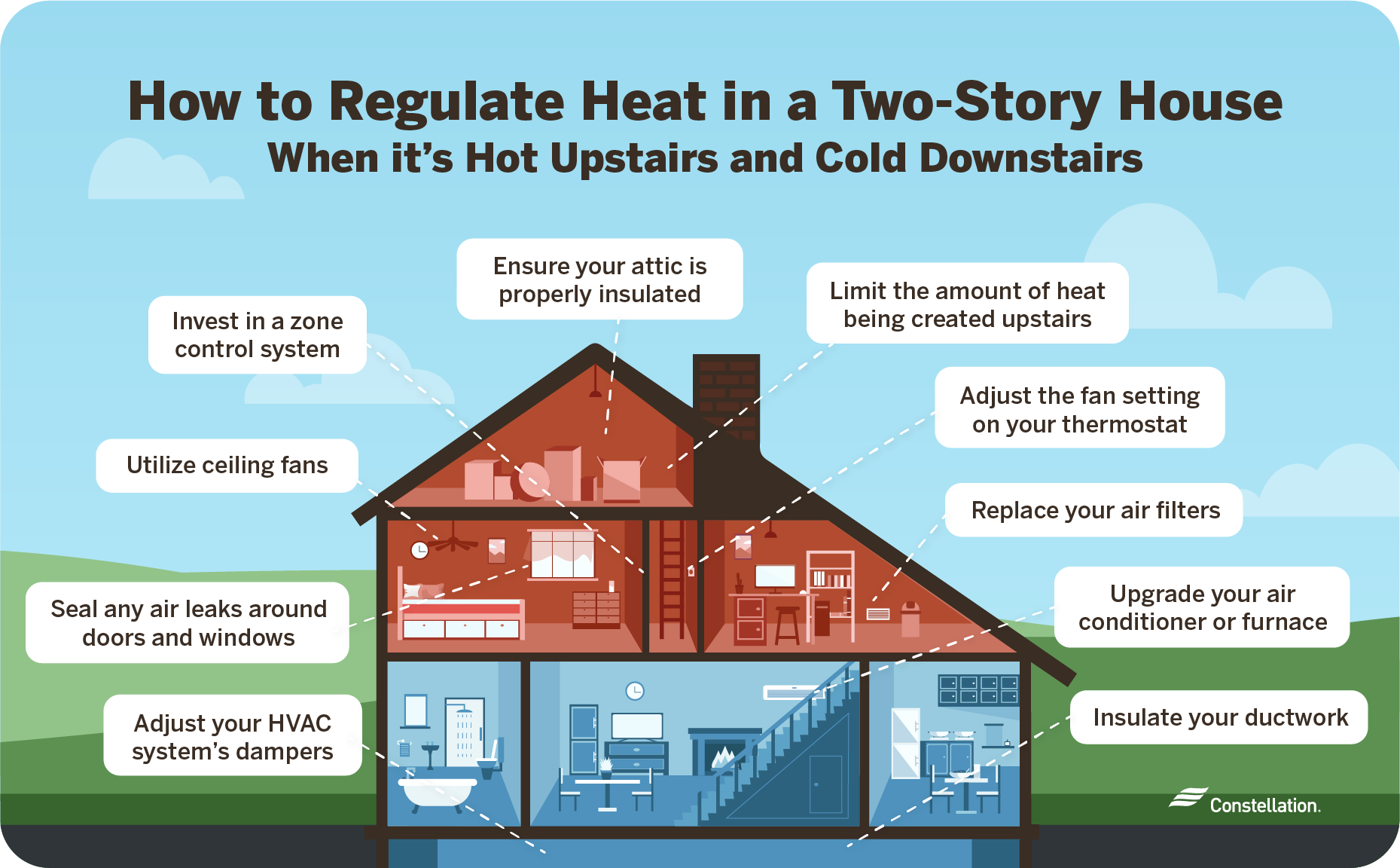
This common conundrum manifests in countless delightful variations. You might find your second floor is a veritable sauna due to the stack effect, where hot air naturally rises, getting trapped at the highest point. Or perhaps it's a testament to poor insulation in the attic, allowing the relentless summer sun to bake your ceilings. Maybe it’s a design quirk of your home, with south-facing windows acting like giant solar collectors. Every house tells a unique story of heat gain and loss, influenced by everything from roof color to tree cover. Some homes, particularly older ones, embrace this heat with a charming, albeit sometimes stifling, disregard for modern climate control, while newer builds grapple with it due to different ventilation strategies. It’s a testament to the fact that every structure, like every person, has its own quirks and challenges.
Must Read
So, how can you "try" understanding your hot second floor at home? Start with simple observation! Become a temperature detective. Place thermometers in different rooms, on different floors, and even in your attic. Feel the walls – are they radiating heat? Observe the sun's path throughout the day and note which windows bear the brunt of its rays. Close your blinds or curtains on sun-facing windows during the hottest parts of the day. Open your windows at night to encourage cross-ventilation, letting cooler air naturally push out the stale heat. Research concepts like "heat transfer" or "attic ventilation" to gain a deeper understanding. You might be surprised at how much you can learn about your home's inner workings with just a little curiosity and a few basic tools.
Ultimately, there's a unique enjoyment in demystifying something as commonplace as a hot second floor. It's the satisfaction of transforming a nagging problem into an opportunity for learning and empowerment. You gain a deeper appreciation for your living space, an understanding of physics in action, and perhaps even a clever trick or two to make things a little cooler. It’s a delightful reminder that even the most mundane aspects of our daily lives can offer rich veins of discovery and, dare we say, a little bit of inspiration.