
Why Is My Room Hotter At Night

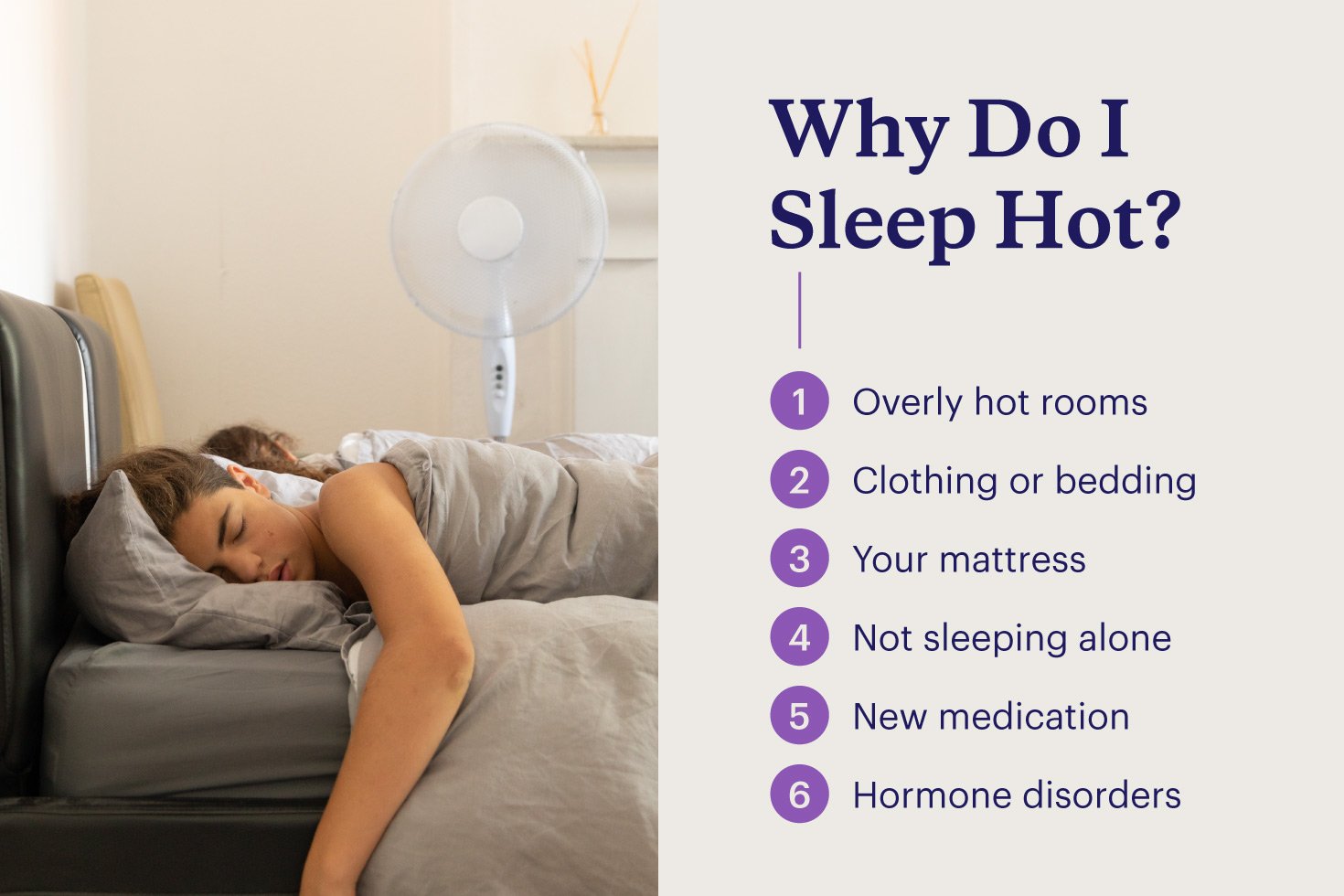
Ever snuggled into bed, ready to drift off, only to find your room feeling like a forgotten sauna? You know, the kind where you spend more time flipping your pillow than actually sleeping? It's a common mystery, isn't it? The sun's been down for hours, the outside air might even be feeling crisp, yet your sanctuary feels stubbornly, well, warm. What gives?
For a long time, I just blamed my old fan or my imagination. But it turns out, there's some pretty cool science (or rather, heat science) behind why our rooms often decide to crank up the thermostat long after the sun has clocked out. Let's peel back the layers of this nocturnal heatwave, shall we?
The Great Heat Sponge: Daytime Absorption
Think of your house, your apartment building, or even just your room's walls, roof, and furniture as a giant, incredibly patient sponge. All day long, while the sun is beaming down, these structures are absorbing and storing heat energy. They're like solar panels, but instead of generating electricity, they're just soaking up warmth.
Must Read
Imagine a big, dark rock sitting in the sun all day at the beach. Even after the sun dips below the horizon, if you touch that rock, it’s still radiating warmth, right? Your house is doing a very similar thing, just on a much grander scale. Every brick, every slab of concrete, every piece of roofing material is quietly becoming a thermal battery.
It's not just the exterior either. Inside your room, your bed, your wardrobe, that big rug – they're all playing their part, slowly getting toasty. They don't just magically reflect all the heat; a good chunk of it sinks in and hangs out for a while.
The Slow-Release Heater: Nighttime Emission
Now, here's where the plot thickens. Once the sun sets, the outside air usually starts to cool down pretty quickly. But your house, that big thermal sponge we talked about? It doesn't just instantly let go of all that stored warmth. Oh no, it’s much more dramatic than that.
It starts to radiate that stored heat back out. And guess where a lot of that heat goes? Yep, straight into your living spaces. It’s like your house has been charged up all day, and now it’s slowly discharging its warmth into your room. This process is called thermal mass, and it’s why materials like brick and concrete are so good at keeping buildings cool in the day (by absorbing heat) and warm at night (by releasing it).
Think of it like a slow cooker. You turn it on in the morning, and it heats up gradually. Even if you turn it off, it stays warm for a surprisingly long time, gently radiating heat. Your walls are doing precisely that, making your room feel like it's got its own secret, radiant heater.
The Silent Contributors: More Than Just Walls
While the thermal mass of your building is a huge player, there are a few other sneaky culprits making your room a little too cozy after dark.
The Airflow Factor
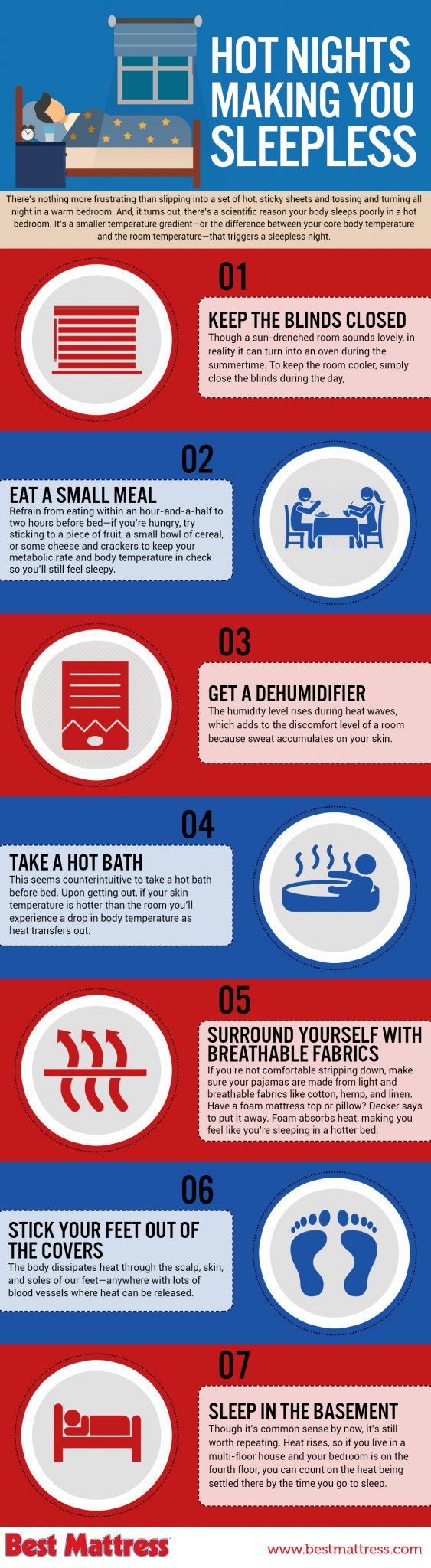
During the day, maybe you have windows open, letting a breeze waft through. But come nightfall, many of us close them for security, privacy, or to keep out bugs. This instantly reduces natural ventilation. Without fresh, cooler air circulating, that warm air trapped inside your room just… sits there. It’s like putting a lid on a pot – all that internal heat has nowhere to go.
You! The Human Heater
Let's not forget the obvious, shall we? You are a warm-blooded creature, radiating heat constantly. Add another person, a pet, and suddenly you’ve got a mini heat convention going on right there in your bed. It might not seem like much individually, but over hours, our bodies contribute a surprising amount of warmth to an enclosed space.

The Gadget Glow
Look around your room. TV, computer, phone charger, gaming console, even that little alarm clock with its glowing display. Many of these electronics, even when in standby mode, are drawing power and generating a small amount of heat. Individually, they’re tiny, but cumulatively, they can add up, especially in a well-insulated room where that heat can't easily escape.
Humidity's Heavy Hug
This one's a bit more subtle but super impactful. When the air is humid, it feels hotter because our sweat can’t evaporate as easily. Evaporation is our body’s natural cooling system. If the air in your room is thick with moisture (maybe from a shower, or just naturally humid evening air that's drifted in), it traps that heat and makes the existing warmth feel much more oppressive. It's like wearing a damp, warm blanket you can't take off.
The "Thermal Lag" Phenomenon
Ever notice that the hottest part of the day isn't usually right at noon when the sun is highest? It's often in the mid-afternoon, several hours later. This is what scientists call thermal lag. The Earth (and your house!) needs time to absorb all that solar energy.

The same principle applies at night. Your walls, roof, and furniture are still catching up. They've been soaking up heat all day, and it takes time for them to reach their peak internal temperature and then even more time to slowly release it. So, by the time midnight rolls around, your room might just be hitting its stride in terms of radiating all that accumulated warmth. It's a delayed reaction, making your sleep space feel like it's always one step behind the outdoor temperature.
So, What's the Takeaway?
Next time you're tossing and turning in a surprisingly warm room, you'll know it's not just you. Your home is essentially playing a very long, slow game of thermal catch-up. It's been diligently absorbing sunshine all day, storing it like a big, cozy secret, and then subtly releasing it back to you just when you're trying to get some shut-eye.
It's pretty fascinating when you think about it, isn't it? Our homes are more dynamic than we often realize, constantly interacting with the environment, acting as heat batteries and slow-release heaters. Understanding this might not magically cool your room, but it certainly offers a curious new perspective on why your nights might be a little toastier than you'd prefer!