
Why Is My House Ac Not Cooling
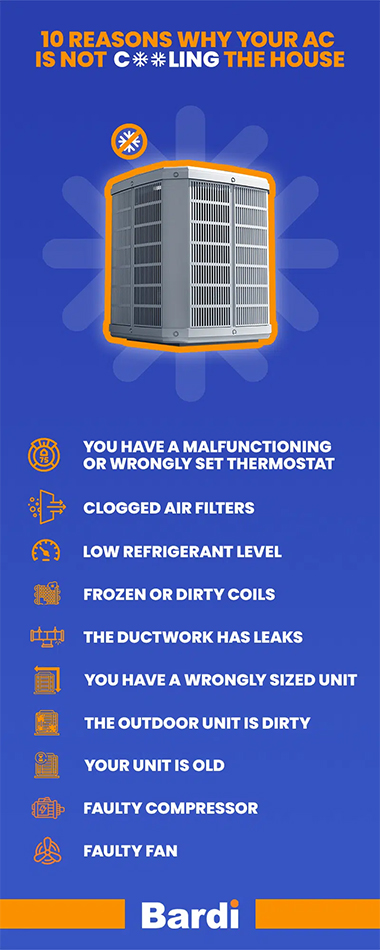
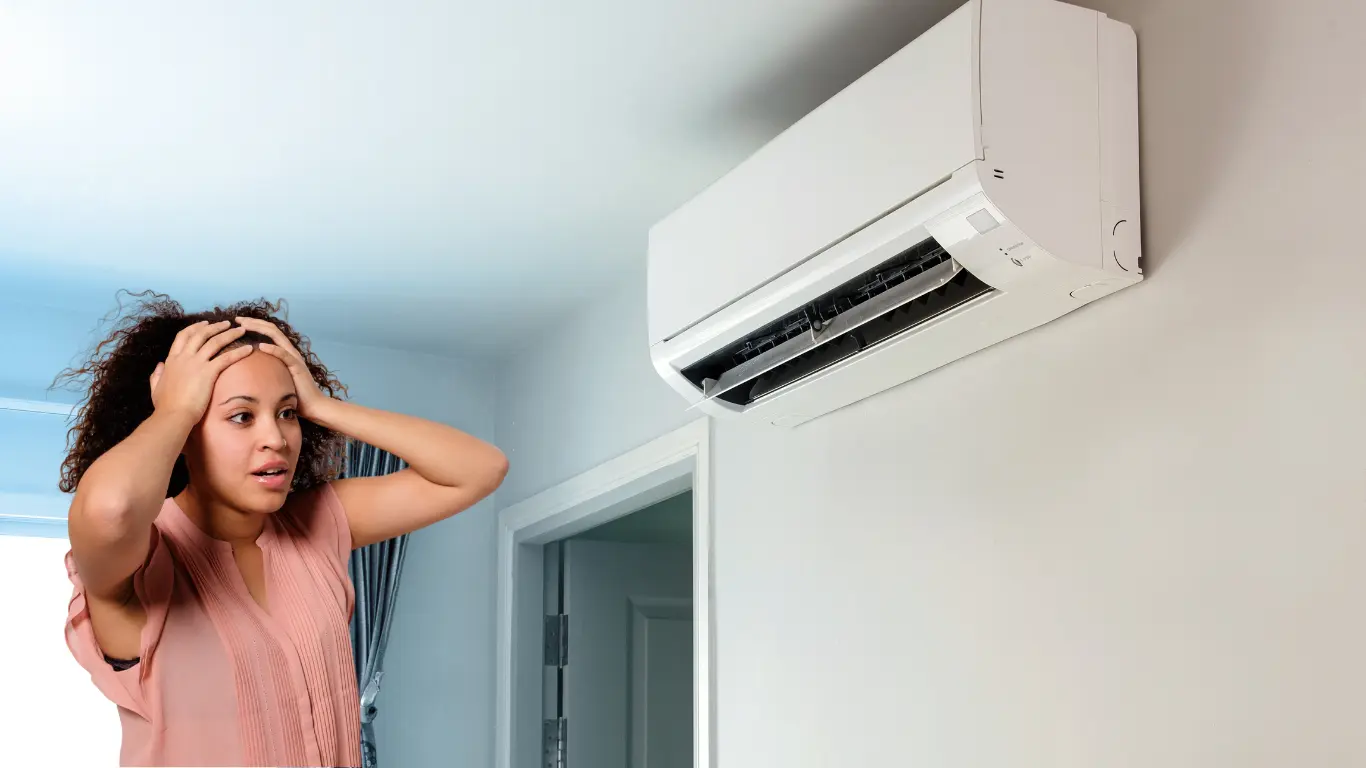
Oh, the dreaded summer sizzle! You walk into your home, ready for that glorious blast of cool air, only to be met with... well, more sizzle. It’s like your AC unit decided to take an unscheduled vacation to the Sahara Desert, leaving you to fend for yourself against the oppressive heat. Your house feels less like a sanctuary and more like a sauna, and you just want to scream, “Why won't you cool, you magnificent metal beast?!”
Don't you worry your sweaty little head! Before you start imagining yourself living in an igloo built from sheer desperation, let's embark on a fun little detective mission. Most of the time, the culprit behind a misbehaving AC is actually a tiny, mischievous imp, easily vanquished with a flick of your wrist or a quick peek around. We're going to turn you into a cooling hero!
The Usual Suspects: Easy Peasy Fixes
Is Your Thermostat on a Coffee Break?
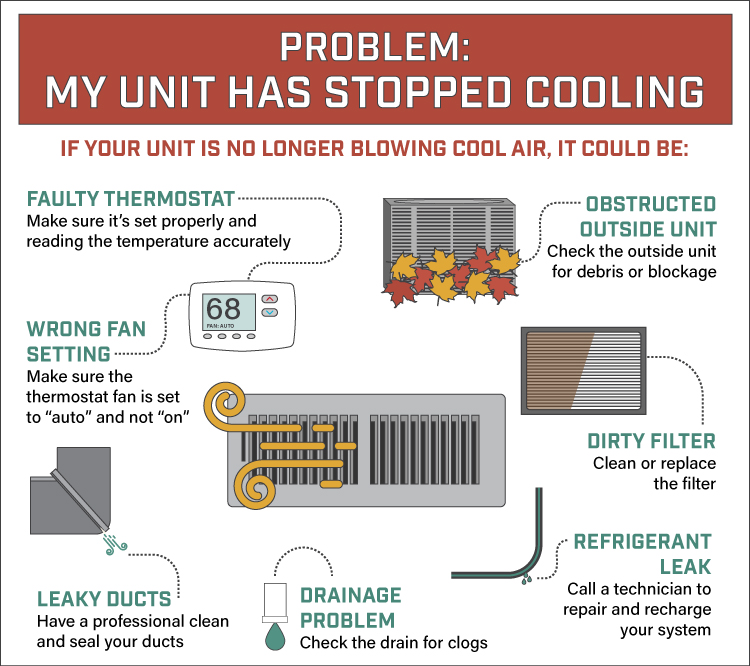
Let's start with the brain of the operation: your thermostat. This little gadget is supposed to be your home's cool commander, but sometimes it just… forgets its job. Is it set to “cool” or is it accidentally chilling out on “heat” or “fan only”? It happens to the best of us!
Must Read
Perhaps its tiny batteries have decided to retire to a quiet beach somewhere, leaving your poor AC unit utterly clueless. Give them a fresh pair; it’s like a jolt of espresso for your system! Sometimes, your thermostat might even have a mind of its own, thinking it’s still winter. A quick check of the settings can solve a mountain of heat-related woes.
Make sure the temperature setting is actually lower than your current indoor temperature. If it's set to 75°F and your house is 72°F, well, your AC is just politely waiting for things to warm up! Adjust it down a few notches and see if that gets the party started.
Also, check if your fan is set to “auto”. If it’s on “on,” the fan might just be blowing unconditioned air around, making you think it’s cooling when it’s just circulating your existing warm hug of air. Setting it to “auto” ensures it only blows when the AC is actively cooling.
The Mysterious Case of the Mucky Filter
Ah, the air filter. This seemingly humble rectangle is actually your AC’s unsung bodyguard, protecting it from all sorts of airborne nasties. But like any good bodyguard, it can get overwhelmed! A dirty filter is like trying to breathe through a thick, woolly blanket – impossible!
When your filter is clogged with dust bunnies, pet fur, and ancient snack crumbs, your AC can't pull enough air through. This makes your system work overtime, huffing and puffing, but delivering very little cool air. It’s like running a marathon with a weighted vest; inefficient and exhausting!
Go ahead, pull out that filter! Is it a fluffy, pristine white, or does it look like it’s been wrestling a dust monster? If it’s closer to the latter, congratulations, you’ve found a prime suspect! Replace it with a shiny, new one, and prepare for a potential blast of refreshing air.
Pro tip: Check your filter at least once a month, especially during peak cooling season. It’s a super easy fix that can prevent bigger headaches down the line and keep your air wonderfully clean. Think of it as giving your AC a fresh pair of lungs!
"A clean filter is a happy AC. And a happy AC means a happy, cool you!"
The Outdoor Unit: A Blocked Bureaucrat?
Now, let’s venture outside to your condenser unit, that big, humming box sitting in your yard. This guy is the unsung hero, releasing all the heat from your home into the great outdoors. But sometimes, he gets a little shy, or worse, completely surrounded!
Is it buried under a pile of leaves, surrounded by overgrown bushes, or serving as a convenient resting place for garden tools? All this clutter acts like a giant, suffocating blanket, preventing the unit from properly dissipating heat. It’s trying its best, but it needs to breathe!
Grab some gloves and clear away any debris for at least two feet around the unit. Trim back those sneaky bushes and remove anything that’s blocking its precious airflow. Imagine trying to cool off while wearing a winter coat in July – that’s what your condenser unit feels like!
Also, check the fins – those thin metal slats around the unit. If they're bent or squished, they can restrict airflow. You can carefully straighten them with a fin comb (a handy, inexpensive tool!) or a butter knife, but be gentle, they're delicate little things.
Vents and Leaky Secrets
Are all your indoor vents open and unobstructed? Sometimes, furniture gets pushed in front of them, or a playful child decides to close one for "fun." This creates uneven cooling and can make your AC struggle unnecessarily.
Do a quick tour of your house and make sure every single vent is wide open and letting that cool air flow freely. It's like releasing a fleet of tiny, refreshing breezes into every room.
And speaking of leaks, are your windows and doors securely closed? A tiny crack or an open door is like trying to cool the entire neighborhood. Your precious cool air is escaping, and the hot air is making a grand entrance. Seal those gaps!
Even pulling down blinds or curtains during the hottest parts of the day can make a surprising difference. It blocks the sun's scorching rays from turning your windows into giant heat lamps. Every little bit helps your AC conquer the heat!

When Things Get a Little Frosty (Literally!)
The Case of the Frozen Coil: An Icy Mystery
You peek at your indoor unit (the one often in your attic or a closet) and gasp! It’s not just cool, it’s a full-blown iceberg! Your evaporator coil, which is supposed to be cold and damp, is now encased in a chilly block of ice. This is like your AC unit having a really bad case of brain freeze.
A frozen coil is often a symptom, not the main problem itself. It usually means something is preventing proper airflow over the coil (hello, dirty filter!), or your system is low on refrigerant. When airflow is restricted, the coil gets too cold and moisture freezes on it.
If you spot this icy wonderland, first things first: turn off your AC at the thermostat, but leave the fan running (if you have that option). This will help melt the ice. You’ll probably want to put down some towels, as a mini-flood is about to ensue!
Once it’s thawed (which can take several hours), replace that filter! If the problem persists after a new filter, it's a strong hint that your system might be running low on its magical cooling fluid, refrigerant. This is a job for the pros, but we'll get to them in a moment!
The Drip, Drip, Dread: Clogged Drain Line
Your AC creates condensation, much like a cold glass of lemonade on a hot day. This water normally drips harmlessly away through a condensate drain line. But sometimes, this little pipe gets clogged with algae, sludge, or other tiny invaders.
When it clogs, the water backs up, often triggering a safety switch that shuts down your AC to prevent water damage. You might notice a small puddle near your indoor unit, or a "full" error code on your thermostat.
Sometimes you can clear a minor clog with a wet/dry vacuum on the outdoor end of the drain line, or by pouring a cup of distilled vinegar down the access port near the indoor unit (if you have one!). This helps kill the gunk.
If you’re unsure or uncomfortable, don’t push it! A professional can quickly clear this up, and it's a common, easy fix for them. It’s like a quick plumbing job for your AC!

The Mysterious Breaker Trip
Every now and then, your AC might draw too much power, or there’s a small electrical hiccup, and your home’s electrical panel decides to play safe by tripping a circuit breaker. This is like a miniature self-preservation mechanism for your home!
Head to your electrical panel (usually in your garage, basement, or a utility closet). Look for a switch that’s halfway between “on” and “off,” or completely in the “off” position. Flip it all the way to “off,” wait a few seconds, and then firmly flip it back to “on.”
If the breaker trips again immediately or very soon after, this signals a more serious electrical issue, or a problem with the AC unit itself. At this point, it’s a big flashing sign that says, “Call a professional!”
When to Summon the Cooling Wizards (The Pros!)
Sometimes, despite your best detective work and valiant efforts, the problem is just beyond a simple DIY fix. This is when you call in the big guns: the HVAC technicians! These folks are like cooling superheroes, armed with specialized tools and knowledge to tackle the trickiest AC mysteries.
Don't feel defeated if you reach this point! It means you've done your due diligence, ruled out the easy stuff, and now it's time for an expert diagnosis. Knowing when to call them can actually save you money and prevent further damage.
Low on Refrigerant: The AC's Lifeblood
Remember that magical cooling fluid we mentioned, refrigerant? If your system is low on it, it can't absorb and release heat properly. This is like trying to run a car with no oil; it just won't work efficiently, or at all. A system should not naturally lose refrigerant, so a low level almost always indicates a leak.
Finding and fixing a refrigerant leak is a job for certified professionals. They have special equipment to detect where the leak is hiding and can safely repair it, then recharge your system with the correct amount. This is definitely not a DIY project!
"Refrigerant is precious! Leave its handling to the certified pros."
The Compressor Conundrum
The compressor is the heart of your AC system, located in that outdoor unit. It's responsible for pumping the refrigerant through the system. If it’s failing or completely kaput, your AC simply won’t cool. You might hear strange noises from the outdoor unit, or it might not make any noise at all.
A failing compressor is a serious issue and typically means a significant repair or even a replacement of the outdoor unit. This is definitely beyond the scope of a weekend warrior and requires specialized knowledge and tools.
Fan Fails and Electrical Woes
There are two main fans in your AC system: one in the indoor unit (blower fan) and one in the outdoor unit (condenser fan). If either of these stops working, airflow grinds to a halt, and your AC will struggle or completely give up.
Electrical problems, beyond a simple tripped breaker, can also bring your AC to a screeching halt. Worn wiring, faulty capacitors, or issues with the control board are complex and dangerous to fiddle with. These are absolutely situations where you call an expert.
A Little Love Goes a Long Way: Preventative Hugs for Your AC
The best way to avoid AC meltdowns is to give your system a little love! Scheduling annual professional maintenance is like giving your AC a spa day and a physical all rolled into one.
A technician will clean, inspect, and fine-tune your system, catching small issues before they become giant, sweaty problems. They'll check refrigerant levels, electrical connections, and make sure everything is humming along perfectly.
Think of it as your AC's annual check-up, ensuring it's in tip-top shape to battle the heat monster all summer long. It's an investment in comfort and peace of mind!
So, there you have it! From simple battery swaps to summoning the cooling wizards, you now have a fantastic roadmap for when your AC decides to go on strike. Don't let the heat get you down. Most of the time, a little investigation and a touch of courage are all it takes to bring that glorious cool air back into your life.
You’ve got this! Go forth and conquer that heat! Your cozy, cool home awaits! And remember, even when things are sizzling, a little humor and understanding can make all the difference. Stay cool, friends!