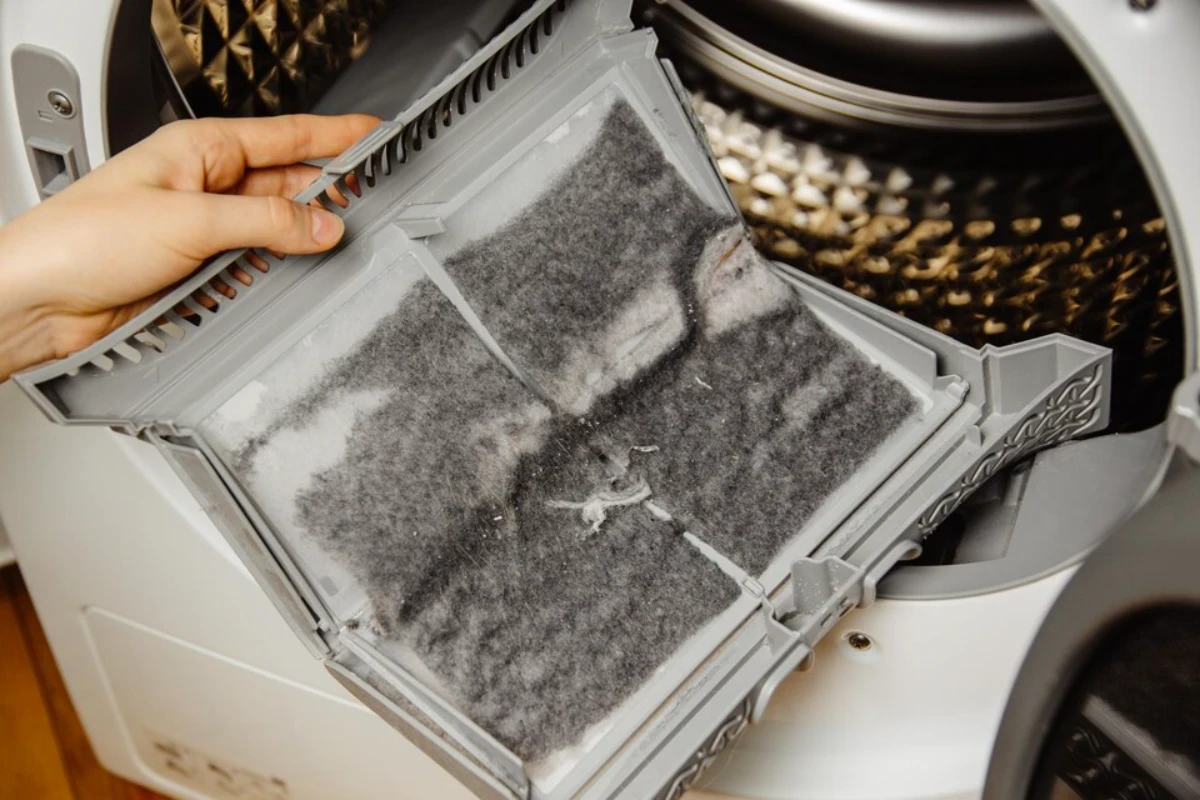
Why Is My Dryer Lint Trap Wet

Alright, laundry warriors, gather 'round! We've all been there. You're pulling out that fresh, fluffy load of towels, feeling like a domestic superhero, when you reach for the lint trap. Expecting a fluffy, dry blanket of lint, you instead encounter... wetness. A damp, sometimes soggy, surprise that makes you think, "Wait, is my dryer crying? Is this a sign from the laundry gods?"
Fear not, fellow fabric wranglers! This isn't usually a sign of impending dryer doom, nor is your appliance having an emotional meltdown. A wet lint trap is a surprisingly common conundrum, and often, the culprit is pretty straightforward. Let's dive into the fascinating, damp world of dryer diagnostics and get to the bottom of this sudsy mystery.
The Damp Culprits: Why Your Lint Trap Is Soaked
Condensation: The Bathroom Mirror Effect
This is perhaps the most frequent offender. Think about what happens when you take a hot shower: the bathroom mirror fogs up. That's condensation at work. Inside your dryer, hot, moist air is trying to escape. If it encounters a cooler surface – like your lint trap, especially if the dryer hasn't had time to fully heat up or is sitting in a cooler laundry room – that moisture can condense, leaving your lint trap feeling clammy. It's just physics, baby!
Must Read
Ventilation Vacation: Your Dryer Needs to Breathe!
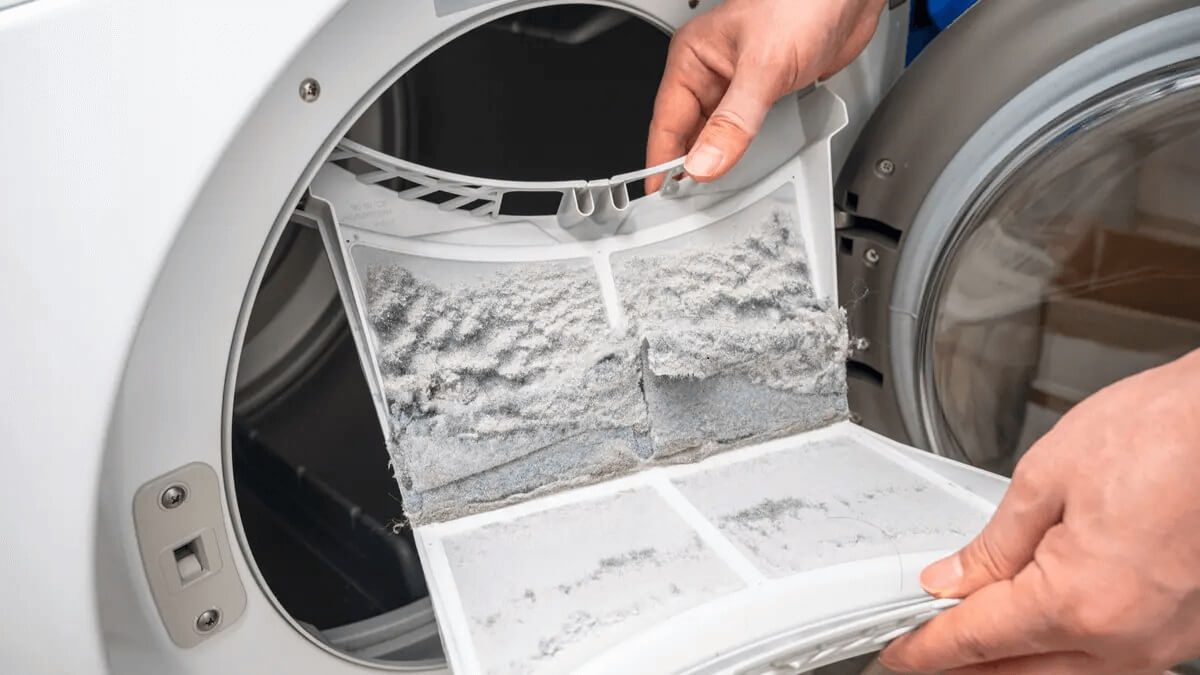
Your dryer isn't a magical lint-disappearing box; it needs to expel all that hot, humid air. It does this through a vent hose that leads outside. If this vent is clogged with lint (a major fire hazard, folks, seriously!), kinked, crushed, or disconnected, the moist air has nowhere to go. It backs up, gets trapped, and you guessed it – condenses right there in your lint trap. It's like trying to breathe through a straw that's full of marshmallows. Not effective!
Pro Tip: Lint build-up isn't just about efficiency; it's a genuine safety concern. The U.S. Fire Administration reports thousands of dryer fires annually, with failure to clean vents being a leading cause. So, this isn't just about dry lint; it's about a safe home!

Overloading: Too Much of a Good Thing
We've all been guilty of this. Trying to cram that king-sized duvet, a week's worth of jeans, and three loads of towels into one cycle. While admirable in its ambition, overloading your dryer prevents proper airflow. Clothes don't tumble freely, hot air can't circulate effectively, and moisture gets trapped inside the drum. Result? Less dry clothes and a very unhappy, wet lint trap. Your dryer isn't a clown car, after all.
Weak Spin Cycle from the Washing Machine
Hold on, what does my washer have to do with my dryer? A lot, actually! If your washing machine isn't effectively spinning out enough water during its final spin cycle, your clothes will enter the dryer much wetter than they should be. This puts extra strain on your dryer, creating excessive moisture that it struggles to expel, leading to more condensation and a damp lint trap. It's a team effort, folks!
Incorrect Dryer Settings: The Temperature Tango
Are you using a low-heat setting for very damp items? Or perhaps a sensor-dry setting that's finishing too soon? If your dryer isn't getting hot enough or running long enough to thoroughly evaporate and expel all the moisture, some of it will linger. For optimal drying and less lint trap dampness, ensure you're using the appropriate heat and time settings for your load.
Simple Fixes for a Dry Future
Good news! Most wet lint trap issues are easy to remedy:
- Clean That Trap, Every Time! This is non-negotiable. Not just for wetness, but for efficiency and safety.
- Inspect Your Vent Hose: Pull your dryer out and check the flexible hose. Is it kinked? Crushed? Disconnected? Straighten it out, replace if damaged.
- Clean the Dryer Vent System: This is a bigger job. You can buy a brush kit to clean from the inside, or hire a professional. Aim for once a year, or more if you do a lot of laundry. Imagine the sheer volume of lint – some call it "dryer fuzz art." But it's better out than in!
- Don't Overload: Give your clothes space to tumble and breathe. It saves energy and helps them dry faster.
- Check Your Washer: If clothes are dripping wet after the spin cycle, your washing machine might need a check-up.
- Use Appropriate Settings: Match the heat and time to the fabric and moisture level.
A Little Reflection on Laundry Life
Who knew a wet lint trap could reveal so much about the inner workings of our homes? It's a subtle nudge, a tiny mystery in our daily routine that, when solved, brings a small victory. Just like paying attention to the little things in life – a quiet moment, a friend's subtle signal, a small household anomaly – can lead to greater understanding and smoother sailing. So, next time you encounter that damp lint, you're not just doing laundry; you're being a home detective, ensuring everything runs efficiently, safely, and smoothly. And that, my friends, is a pretty cool superpower to have.