Why Is It Important To Reduce Carbon Footprint
Ever wonder why everyone’s buzzing about reducing their carbon footprint? It's not just some trendy eco-fad; it’s about understanding our impact on the planet and making choices that help preserve it for future generations. Think of it as detective work, only instead of solving a crime, we're solving a climate puzzle, and the clues are all around us! It’s fun to learn because it empowers us to become active participants in shaping a healthier world. Plus, the more we know, the easier it is to make a real difference.
So, what exactly is the purpose of reducing our carbon footprint? Simply put, it's about lessening the amount of greenhouse gases we release into the atmosphere. These gases, like carbon dioxide, trap heat and contribute to climate change, leading to rising sea levels, extreme weather events, and disruptions to ecosystems. The main benefit of reducing our footprint is mitigating these harmful effects and striving for a more sustainable and stable climate. We're essentially trying to put the brakes on a runaway train of environmental damage.
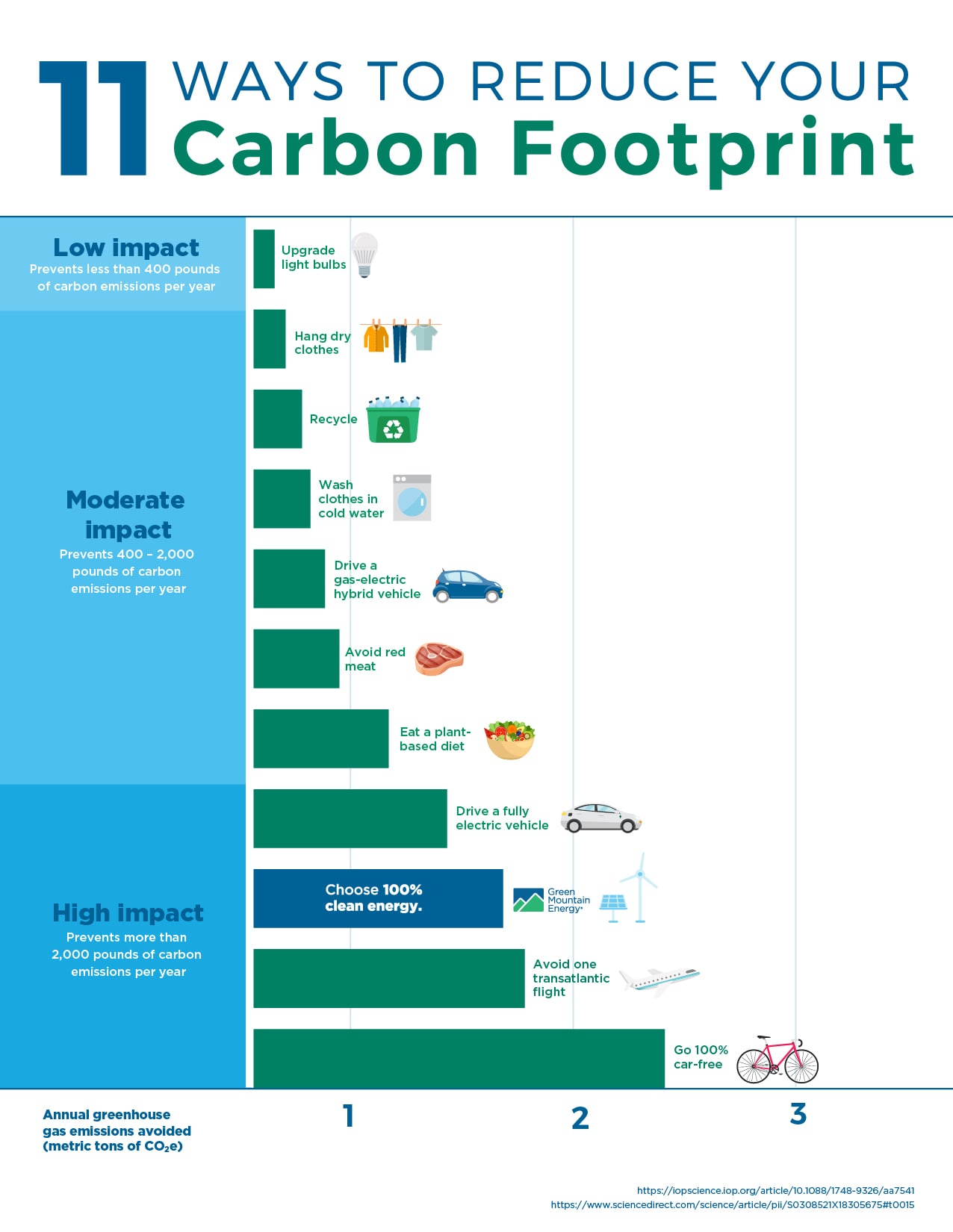
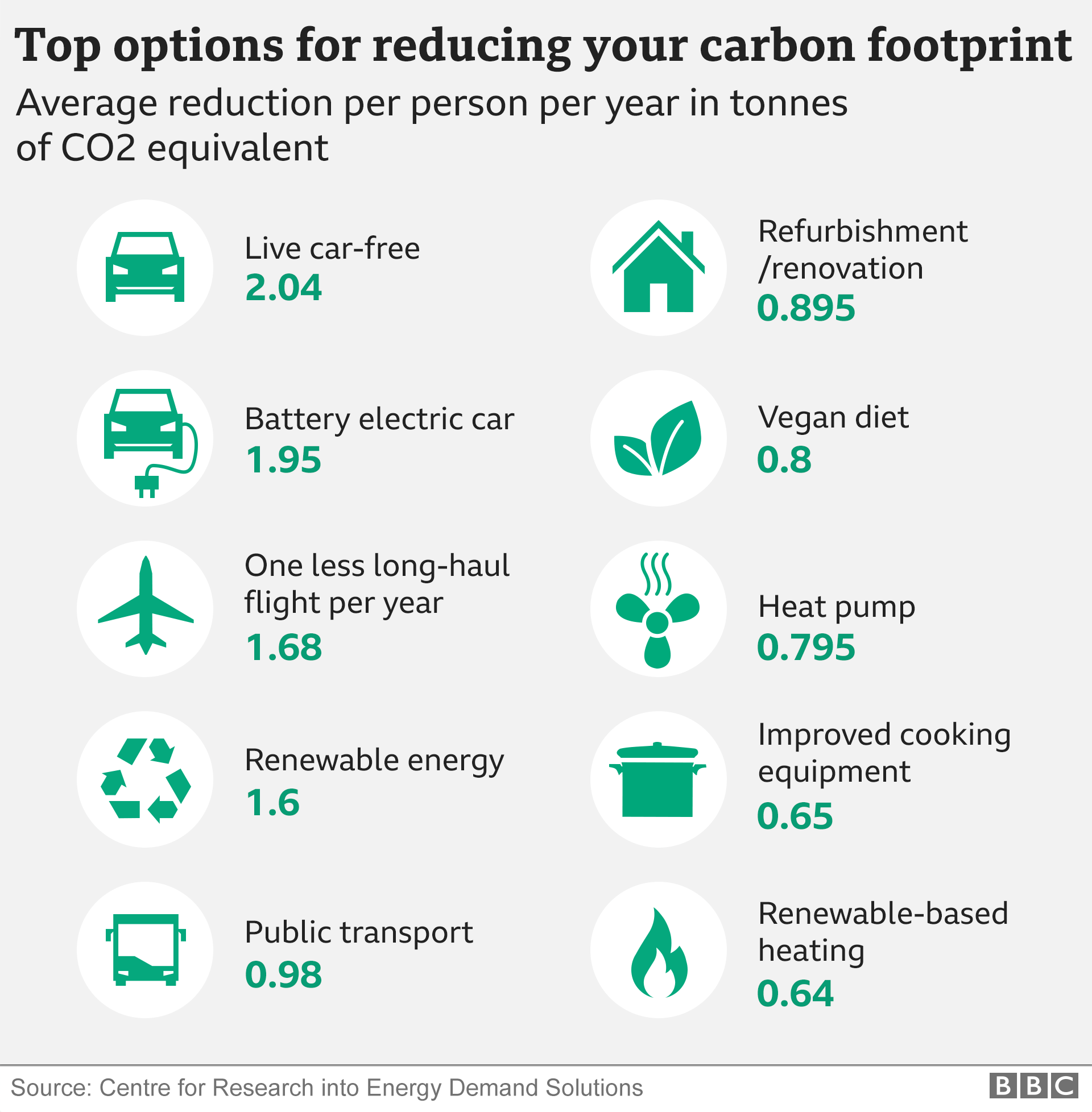
The beauty of reducing your carbon footprint is that you can incorporate it into everyday life. In education, schools are increasingly incorporating environmental science and sustainability into the curriculum. Students learn about the impact of their actions, from the food they eat to the energy they use. They might calculate their family's carbon footprint as a project or participate in recycling programs. In our daily lives, there are countless opportunities to make a difference. Consider your transportation choices. Walking, cycling, or using public transport instead of driving a car significantly reduces emissions. At home, switching to energy-efficient appliances and light bulbs, reducing water consumption, and properly insulating your home can all make a positive impact.
Must Read
Food choices also play a significant role. Eating less meat, especially beef, which has a high carbon footprint, and focusing on locally sourced and seasonal produce can shrink your environmental impact. Reducing food waste is another crucial step; think before you buy and creatively use leftovers. Even small changes like using reusable shopping bags and water bottles, and avoiding single-use plastics, contribute to a more sustainable lifestyle. Purchasing durable and repairable items, rather than disposable ones, also helps.
Want to explore this further? A great starting point is online carbon footprint calculators. These tools ask you about your lifestyle habits – your home energy use, travel patterns, diet, and shopping habits – and then estimate your annual carbon emissions. Seeing the results can be eye-opening and motivate you to make changes. Challenge yourself to make one or two small changes each week. For instance, this week, you could try using public transportation one extra day, and next week, you could focus on reducing your shower time. Remember, every little bit helps! You could also research local environmental organizations or initiatives and consider volunteering your time. By actively participating, you can learn more and contribute to a larger effort. Ultimately, reducing our carbon footprint isn’t a chore; it’s a chance to create a better future for ourselves and generations to come.