Why Is It Important To Conserve Our Resources
Okay, let's talk about something that affects us all, whether we realize it or not: conserving our resources. It might sound a bit textbook-y, but trust me, it's way more relevant (and honestly, way cooler) than you think. We're not just talking about hugging trees (though, hey, if that's your thing, go for it!). We're talking about ensuring a vibrant, healthy future for ourselves and generations to come. Think of it as being a responsible global citizen – with a side of serious self-preservation.
Why Bother? A Quick Reality Check
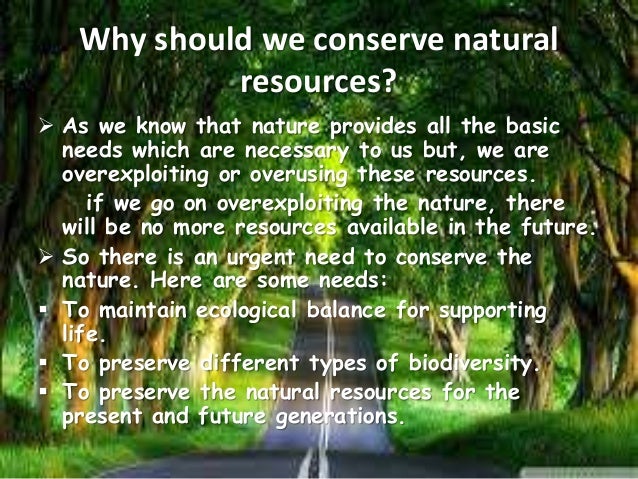
Why is it so important? Well, our planet's resources aren't infinite. Imagine your favorite streaming service suddenly announcing it's running out of movies. Panic, right? That's kind of what's happening, but on a much grander (and more serious) scale. We're using resources – like water, minerals, and fossil fuels – at a rate that's unsustainable. This overuse leads to a whole host of problems, from climate change to resource scarcity, impacting everything from your morning coffee to the price of gas.
Think about the phrase "Tragedy of the Commons." It's a concept that highlights how shared resources can be depleted when individuals act in their own self-interest without considering the collective good. Basically, if everyone takes too much, there's nothing left for anyone. Not a great plot twist, is it?
Must Read
Conserving for a Brighter Future
The good news? We can totally change the narrative. Conserving resources isn't about deprivation; it's about smart consumption and making conscious choices. It's about ensuring that we have enough resources to meet our needs without compromising the ability of future generations to meet theirs. It's like saving up for that dream vacation – you might have to make a few sacrifices now, but the payoff is totally worth it.
Easy Peasy Tips to Get Started
So, how can you make a difference? Here are some super simple, totally doable tips:
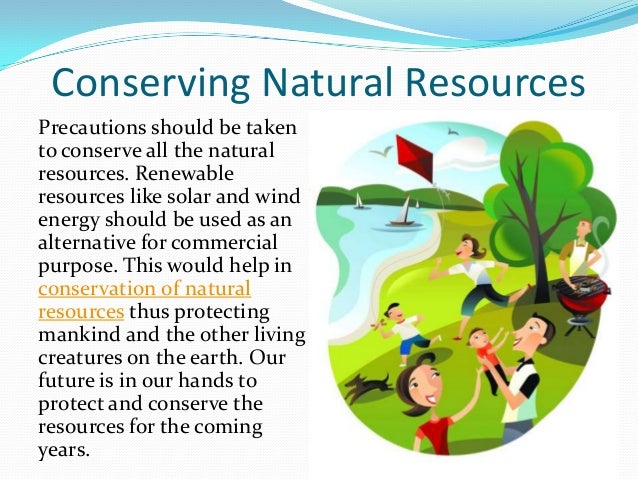
- Water Wise: Shorten your showers (think power ballad length, not full-on opera!), fix leaky faucets (that drip, drip, drip is literally money down the drain!), and consider a low-flow showerhead.
- Energy Efficiency: Switch to LED light bulbs (they last way longer and use less energy), unplug electronics when you're not using them (phantom energy drain is a real thing!), and adjust your thermostat. A few degrees can make a big difference.
- Reduce, Reuse, Recycle: This is the OG mantra for a reason. Minimize waste by buying products with minimal packaging, repurpose items whenever possible, and recycle everything you can. Become a recycling ninja!
- Shop Smart: Support companies that prioritize sustainability. Look for products made with recycled materials, eco-friendly packaging, and ethical sourcing. Vote with your wallet!
- Eat Local, Eat Seasonal: Reduce your carbon footprint by buying locally grown produce. It tastes better, supports local farmers, and requires less transportation.
- Transportation Choices: Walk, bike, or use public transport whenever possible. Carpooling with friends or colleagues is another great option.
Did you know that recycling one aluminum can saves enough energy to power a TV for three hours? Little things really do add up!
The Ripple Effect: More Than Just 'Doing Good'
Conserving resources isn't just about feeling good; it has real-world benefits. It can save you money on your utility bills, improve your health by reducing pollution, and strengthen your community by supporting local businesses. It's a win-win-win situation!

Plus, consider the cultural impact. By embracing sustainable practices, we're setting a positive example for others and creating a culture of conservation. Think of it as starting a trend – a trend that benefits everyone!
Remember Captain Planet? He wasn't just a cartoon superhero. He embodied the idea that together, we can harness our individual powers to protect the planet. We all have the power to be environmental superheroes in our own right.
Small Changes, Big Impact
It's easy to feel overwhelmed by the scale of the problem, but remember that even small changes can make a big difference. Start with one or two of the tips above and gradually incorporate more sustainable practices into your daily routine. The key is to be consistent and mindful.
Think about it: Turning off the lights when you leave a room, bringing your own reusable bag to the grocery store, or opting for a reusable water bottle instead of a plastic one might seem insignificant, but collectively, these actions can have a profound impact. Every little bit helps.
So, next time you're about to toss something in the trash, ask yourself: Could this be reused? Could this be recycled? Could I have avoided buying this in the first place? Let's all do our part to conserve our resources and create a brighter, more sustainable future for all.