
Why Is It Called A Hurricane

Have you ever stopped to think about the word hurricane? It rolls off the tongue with a certain kind of power, doesn't it? The very sound conjures images of swirling winds and mighty waves. But where did such a fitting and forceful name truly come from?
The answer takes us on a fascinating journey back in time, far before weather satellites and fancy radar. We're heading to the warm, turquoise waters of the Caribbean. Specifically, we're going to meet an ancient people called the Taíno.
These incredible island dwellers had a deep connection to the natural world around them. They lived amidst vibrant coral reefs and lush rainforests, but they also understood the immense, sometimes frightening, power of the sea and sky. They experienced tremendous storms firsthand.
Must Read
When the colossal storms would rage, bringing with them incredible winds and rain, the Taíno people had a name for this powerful force. They didn't just call it "a big wind." Oh no, they had a much grander concept.
They believed in a deity, a god or spirit, whom they called Juracán. Sometimes you'll see it spelled Hurakán or Hura-can, but the essence is the same. This was no ordinary storm.
Meet the Spirit of the Storm
Juracán was a mighty force in their spiritual world. He wasn't simply a bringer of destruction, though he certainly had that power. In the worldview of the Taíno, Juracán was also a creator.
Imagine that! A force so powerful it could reshape the land, clear away the old, and make way for the new. It was a cycle of life, death, and renewal, all tied to this incredible spirit of the wind and rain.
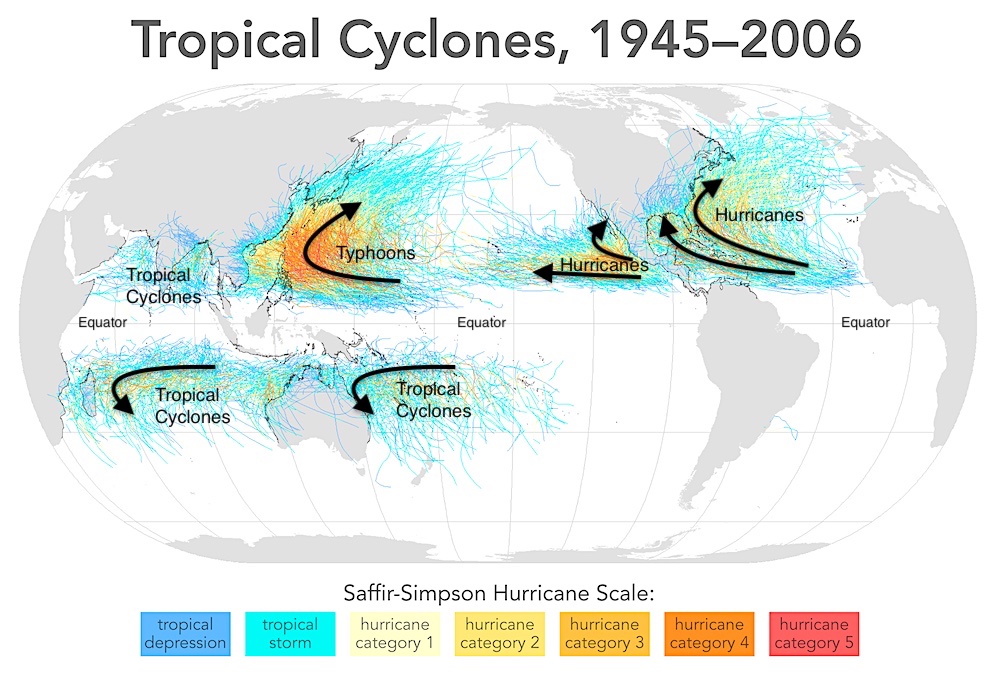
So, when a truly devastating storm approached, the Taíno weren't just experiencing bad weather. They were encountering Juracán himself, an ancient and powerful entity shaping their world. There was a sense of awe, respect, and perhaps even a little fear in that encounter.
This wasn't just a word; it was a recognition of a profound natural and spiritual phenomenon. The sound of Juracán rolling off their tongues carried the weight of generations of wisdom and wonder. It was a name steeped in the very fabric of their existence.
The Word Takes a Journey
Now, fast forward a bit to the late 1400s and early 1500s. This is when European explorers, most famously Christopher Columbus and his crew, began sailing to the Caribbean. They encountered the Taíno people, their culture, and their language.
Can you imagine the surprise of these new arrivals? They'd never experienced storms quite like the ones in the Caribbean. And they certainly didn't have a word for such a monumental weather event back home.
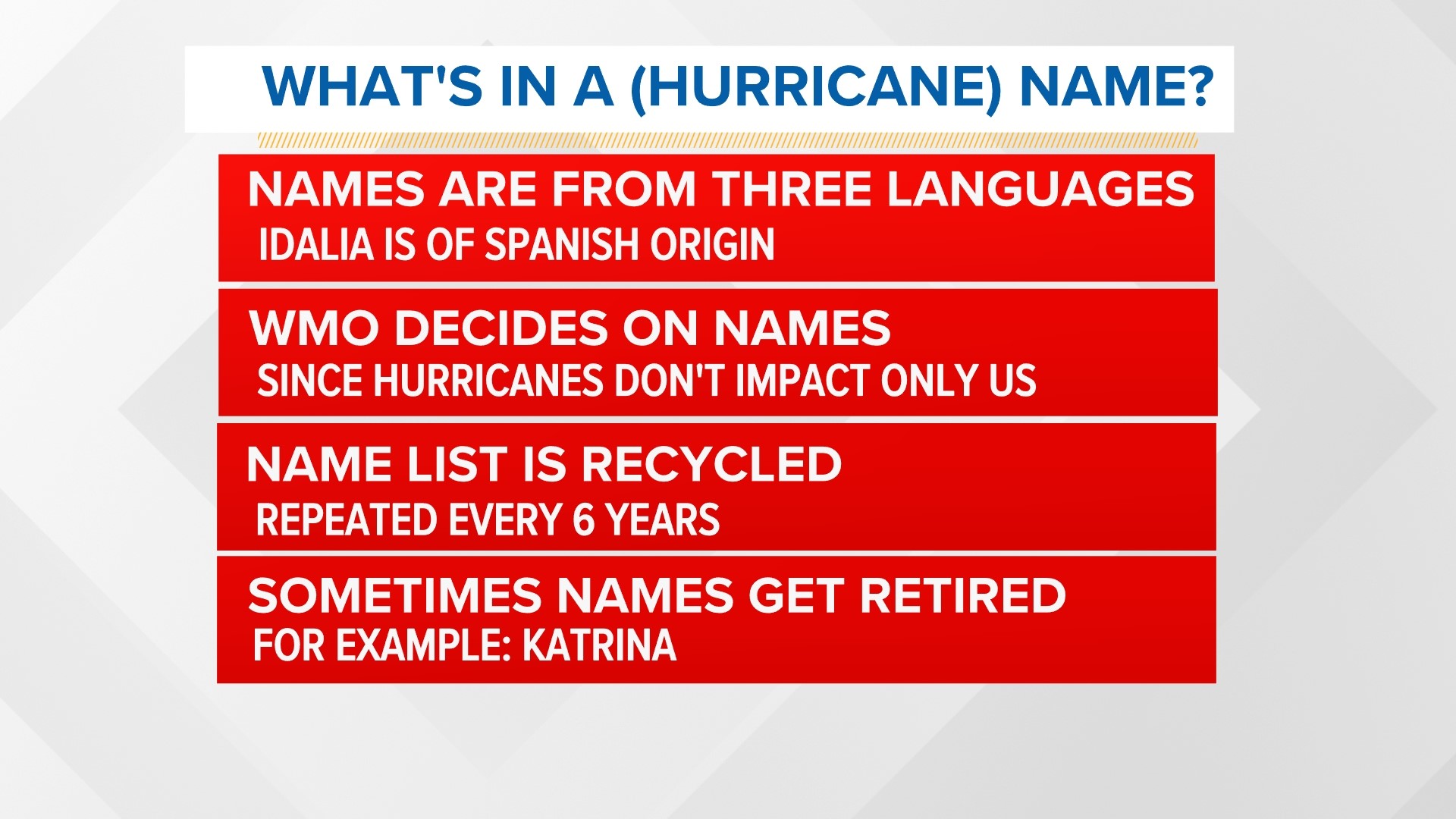
When a massive storm hit, the Taíno people would undoubtedly speak of Juracán. The Spanish sailors, wide-eyed and perhaps a little terrified, listened intently. They heard this powerful, resonant word describing the very thing that was swirling around them.
It was a perfect fit! The word itself seemed to embody the wild, untamed nature of the storm. The Spanish quickly adopted it, changing it slightly to fit their own language.
From Juracán, it became huracán in Spanish. It was still the same powerful word, carrying the same ancient meaning and the same sense of natural majesty. It simply had a new pronunciation, shaped by different tongues.
Across the Ocean and Into English
But the journey of our word didn't stop there. As more European nations explored and traded, the word continued to spread. English sailors, merchants, and adventurers heard the Spanish talking about their terrifying huracanes.

Just like the Spanish before them, the English speakers found themselves without a good word for these monstrous Caribbean storms. So, they borrowed it once again, making a few tweaks along the way.
The Spanish huracán slowly morphed into the English hurricane. Can you hear the echoes of Juracán in our modern word? It's still there, just softened and changed slightly through centuries of use.
It's a beautiful example of how languages interact and borrow from each other. A word born in the heart of the Caribbean, from the spiritual beliefs of the Taíno people, traveled across oceans and through time to become a common term in English.
The word hurricane isn't just a scientific classification; it's a whisper from history, a testament to ancient awe and respect for nature's might.
A Name with Deep Roots
Isn't it amazing to think that every time we say "hurricane," we're unknowingly connecting to a fascinating piece of history? We're echoing the sounds and beliefs of an ancient civilization.
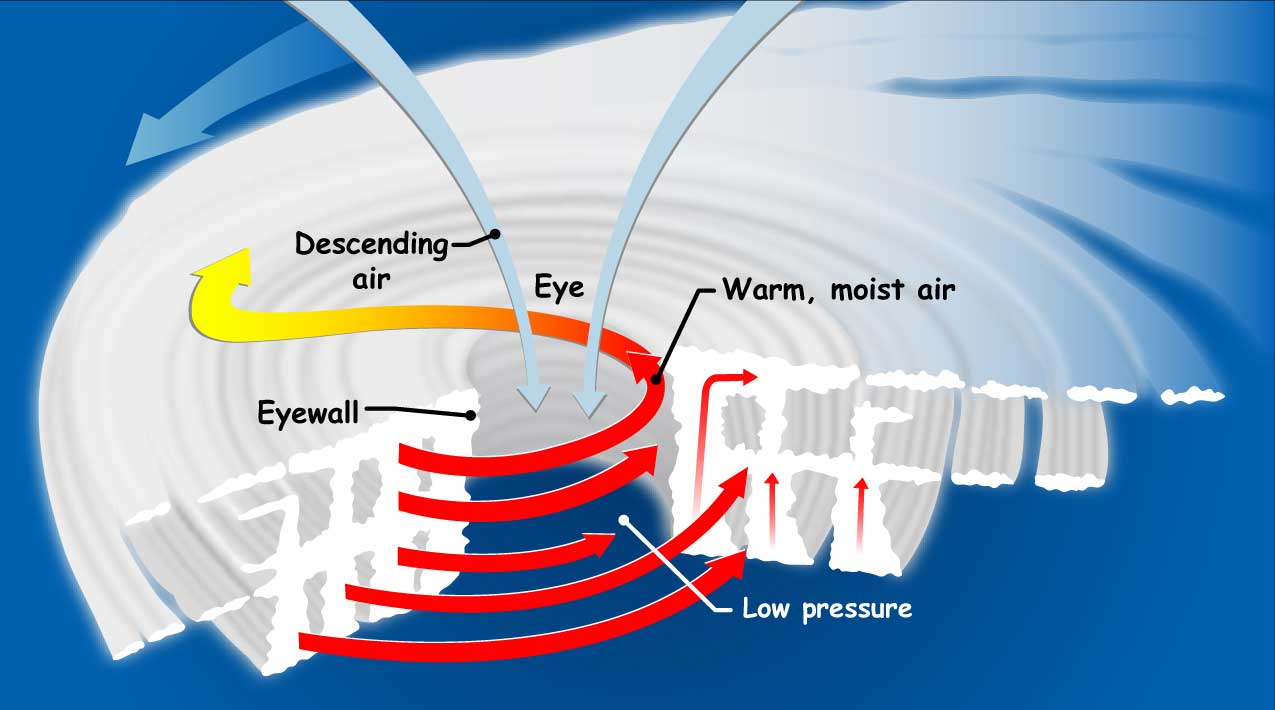
It’s a name that isn't just descriptive of the weather; it's a name that tells a story. It speaks of the power of the wind, the force of nature, and the human spirit's attempt to understand and name the incredible world around us.
So, the next time you hear the word hurricane, take a moment. Let it roll off your tongue and remember its incredible journey. From the spiritual tales of the Taíno in the sunny Caribbean, to the decks of Spanish galleons, and finally into our everyday language.
It’s a heartwarming reminder that even the most common words can hold layers of history, culture, and a touch of ancient magic. It's a tribute to the enduring power of language and the timeless human connection to the natural world.
Who knew such a strong word had such a rich and surprising past? It goes to show that there's always a hidden story, a whisper of wisdom, even in the everyday words we use.