Why Is Flux Is Important In The Soldering Process
Soldering. The word itself might conjure up images of blinking LEDs, intricate circuit boards, and the satisfying sizzle of hot metal joining together. For many, it's more than just a task; it's a hobby, a craft, even an art form. Whether you're fixing a broken toy, building a custom drone, or crafting dazzling jewelry, soldering allows you to connect things – both literally and figuratively – in a way that few other skills can.
But have you ever stopped to think about that often-overlooked, yet absolutely crucial, ingredient in the soldering process? I'm talking about flux. It’s the unsung hero, the invisible assistant that makes everything work. Without it, your solder joints would likely be weak, brittle, and prone to failure. So, why is flux so important? Let's delve into the magic behind this essential compound.
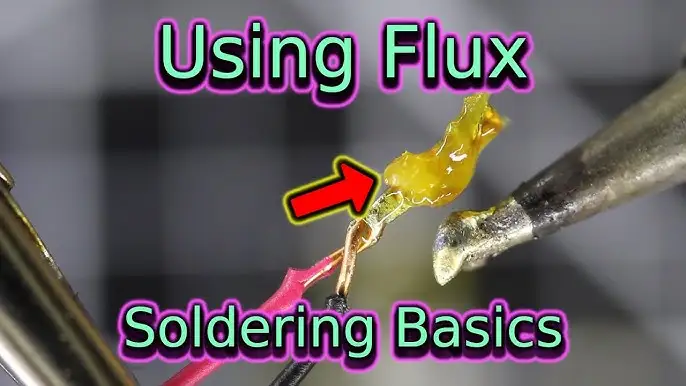
The core purpose of flux is simple: to clean the metal surfaces being joined. Metals exposed to air naturally oxidize, forming a thin layer of gunk on the surface. This oxidation prevents the molten solder from properly wetting and adhering to the metal. Think of it like trying to glue two oily surfaces together – it just won’t work. Flux chemically removes these oxides, creating a clean, pristine surface for the solder to bond with.
Must Read
The benefits of using flux extend far beyond just making the solder stick. A clean solder joint is a stronger solder joint. It conducts electricity better, providing a more reliable connection for electronics. It's also less susceptible to corrosion, ensuring your projects last longer. In everyday life, flux is used in countless applications, from the intricate circuitry in your smartphone to the plumbing in your home. It's vital for ensuring the reliable operation of everything from cars to computers.
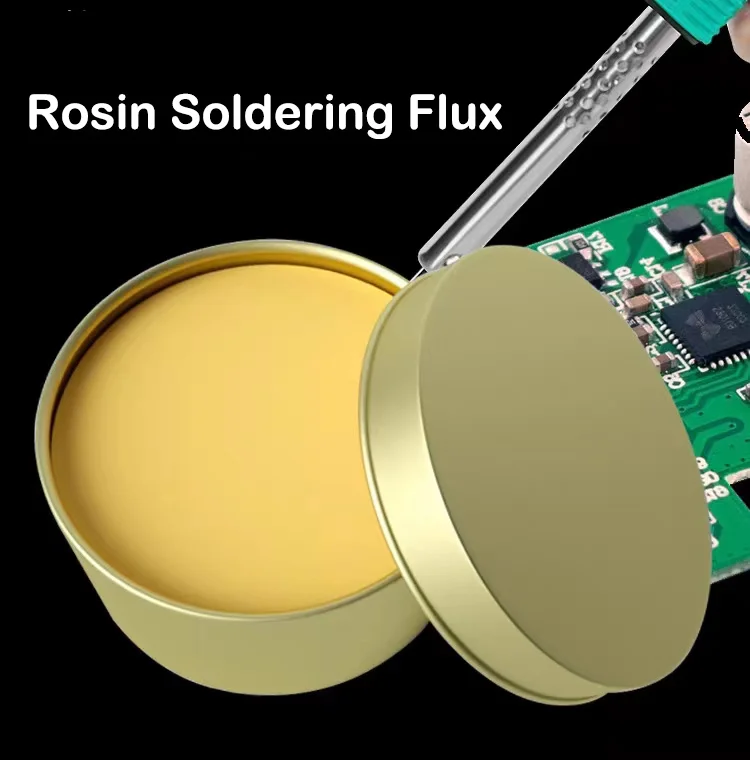
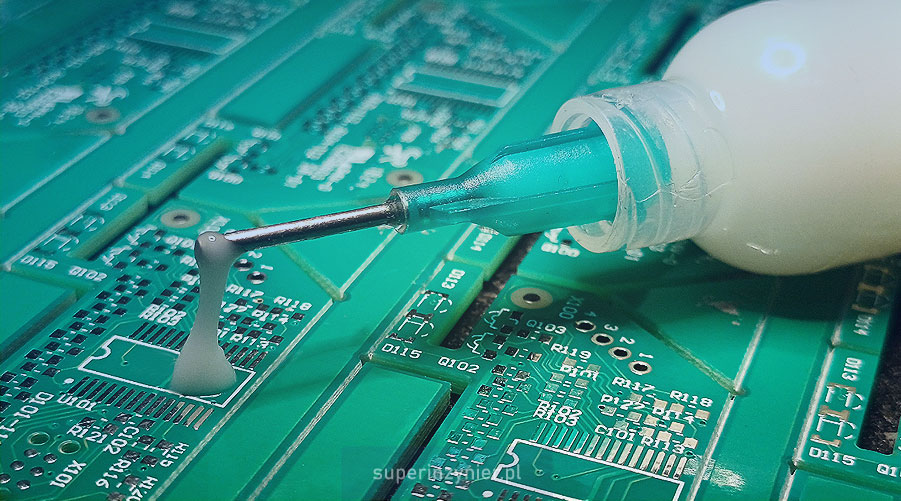
Common examples of flux application are all around us. Electricians use flux when soldering wires, plumbers use it when joining copper pipes, and electronics hobbyists use it when assembling circuit boards. Different types of flux exist, each tailored to specific materials and applications. Rosin-core solder, a common choice for electronics, conveniently integrates flux into the solder itself. Other types, like liquid flux or flux paste, are applied separately.
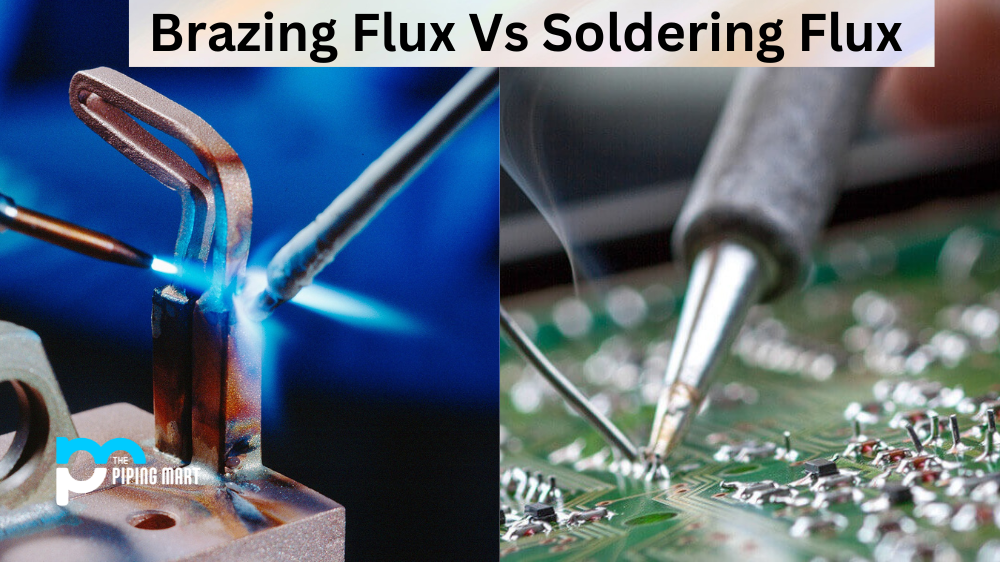
So, how can you enjoy soldering more effectively, with flux playing its vital role? Here are a few practical tips:
- Choose the right flux: Consider the type of metal you're working with and the specific application.
- Apply it liberally: Don't be stingy with the flux. Ensure all surfaces to be soldered are adequately coated.
- Clean up residue: Some fluxes leave behind a residue that can be corrosive. Clean your solder joints with isopropyl alcohol after soldering.
- Ventilate your workspace: Soldering fumes can be harmful, so work in a well-ventilated area.
- Practice makes perfect: Experiment with different techniques and types of flux to find what works best for you.
In conclusion, flux is far more than just a chemical additive. It's the key to achieving strong, reliable solder joints that will stand the test of time. By understanding its purpose and applying it effectively, you can unlock the true potential of soldering and create projects that are both beautiful and durable. So grab your soldering iron, your favorite flux, and get connecting!