
Why Is Duke Energy Bill So High

Ever ripped open that Duke Energy bill and felt your heart sink faster than a lead balloon in a swimming pool? You’re not alone. Many of us stare at those numbers, mouth agape, wondering if Duke accidentally sent us the bill for a small country’s annual energy consumption. It’s enough to make you consider living in a cave and befriending a very warm badger.
So, why is our Duke Energy bill often so high? Is it some secret conspiracy? Are they powered by unicorn tears, which are apparently quite pricey? Let’s pull back the curtain, shall we, and explore the delightful (and sometimes maddening) reasons behind those eye-watering charges, all with a healthy dose of humor and a dash of disbelief.
The Rollercoaster Ride of Fuel Costs
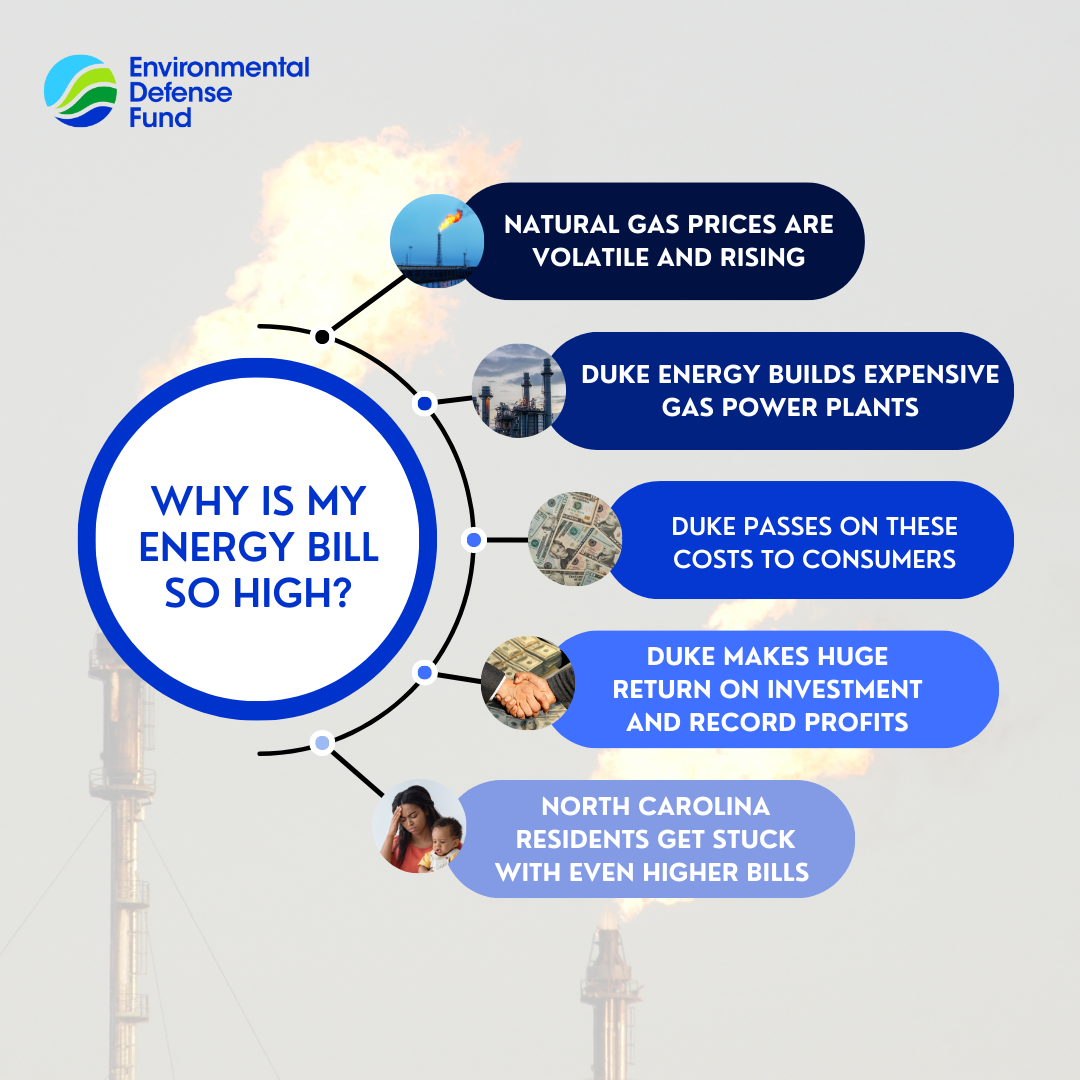
First up, and probably the biggest culprit for those spikes, is the cost of fuel. Duke Energy largely relies on natural gas, and my friends, natural gas prices are about as stable as a toddler on a sugar rush. They fluctuate wildly based on supply, demand, geopolitics, and probably the phases of the moon.
Must Read
Imagine natural gas as that one friend who always orders the most expensive thing on the menu, and then you get stuck with the tab. When natural gas prices soar, Duke Energy pays more for it, and then – surprise, surprise – they pass those costs directly onto us, the humble consumers. It’s not like they’re making extra profit on it; it’s more of a pass-through cost. Still stings, though, doesn't it?
Fun fact: Natural gas once briefly traded at negative prices during the pandemic due to oversupply! We certainly didn't see negative charges on our bills then, did we?
The Never-Ending Grid Upgrade Marathon
Our energy grid is a bit like that trusty old car you’ve had for decades. It still runs, but every now and then, it needs a whole new engine block, new tires, and maybe a complete respray because squirrels keep trying to unionize within the power lines. Duke Energy is constantly investing in upgrading its infrastructure.
We’re talking about hardening the grid against hurricanes (which, let’s be honest, feel like annual visitors now), replacing aging equipment, and building new power lines. These aren't cheap endeavors. It’s like a never-ending home renovation project, except the home is an entire state, and you're paying for the fancy new smart thermostat they just installed.
These investments are crucial for reliable service, but they come with a hefty price tag, and guess who ultimately foots the bill? That’s right, us again!
The Regulatory Tango and Rate Cases
You might think Duke Energy just wakes up one morning and decides, "Hmm, let's charge everyone more!" But no, it's a bit more complicated than that. They have to go through a long, drawn-out process called a rate case with state utility commissions (like the NC Utilities Commission or the SC Public Service Commission).
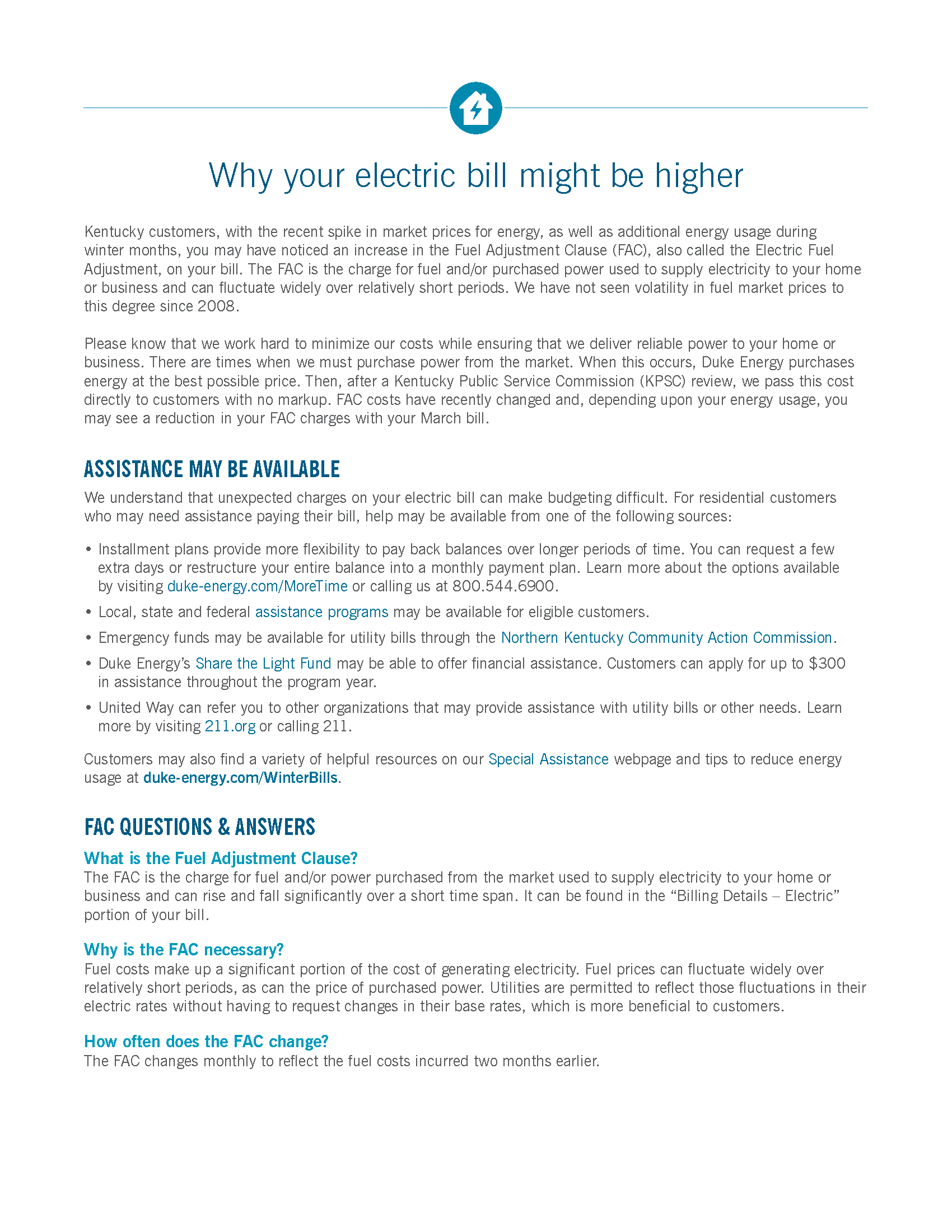
These rate cases are like a really boring, really long reality TV show, but instead of housewives yelling, it’s lawyers and economists, and we pay the prize money. Duke Energy proposes new rates, justifies why they need more money (usually citing fuel costs, infrastructure, and clean energy investments), and then consumer advocates and other interested parties argue against it. The commissions then decide what's fair. It’s a contentious dance, and even if they don't get everything they ask for, they often get some increase.
It's important to know that these commissions are supposed to balance the utility's need to recover costs and earn a reasonable profit with the public's need for affordable service. It's a tough tightrope walk!
Your AC Working Harder Than a One-Legged Man in a Butt-Kicking Contest
Let's not forget our own contributions to those hefty bills! While Duke Energy has its reasons, our energy usage plays a huge role. Southern summers? My AC unit works harder than a presidential intern. And those few weeks of winter where it actually gets cold enough for heat? We crank it up without a second thought.

The colder it gets, the more heating you use. The hotter it gets, the more cooling you use. Simple physics, but boy, does it add up. Think about how many devices you have plugged in, how often you open the fridge, or how long those gaming sessions last. Every watt adds to the grand total. Sometimes, a high bill isn't just Duke being Duke; it's us being a little too cozy!
Did you know that phantom load (energy used by devices when they're off or in standby) can account for 5-10% of your electricity bill? Unplug those chargers, people!
The Green Energy Transition: A Pricey Path to a Brighter Future
Here’s one that might surprise you: transitioning to cleaner energy sources actually costs money in the short term. While the long-term benefits of renewables like solar and wind are undeniable (and often cheaper to operate once built), the initial investment in building these new facilities and retiring older, dirtier ones (like coal plants) is significant.

It’s like deciding to replace your old, clunky flip phone with the latest smartphone. Great for the future, better for the planet, but that initial sticker shock? Oof. Duke Energy is under mandates to reduce carbon emissions, which means building new clean energy infrastructure and upgrading the grid to handle intermittent renewable sources. This is a good thing for everyone, but it comes with upfront costs that, you guessed it, often make their way onto our bills.
So, What's the Bottom Line?
While it often feels like Duke Energy is just gleefully emptying our wallets, it's a complex mix of global fuel markets, essential infrastructure investments, regulatory processes, our own usage habits, and the necessary transition to a cleaner energy future. It’s not a simple villain story; it’s more of a very expensive epic novel with many contributing authors.
The next time you open that bill and feel a gasp escape your lips, just remember: you're not just paying for electricity; you're funding a whole intricate system, from gas pipelines to solar farms, from storm hardening to regulatory debates. And maybe, just maybe, unplug that phone charger when you're done. Every little bit helps… and might just save you from befriending that badger.