Why Is Burning Fossil Fuels Bad
Imagine you’re snuggled up on the couch, watching your favorite show, or maybe cruising down the highway with the windows down, singing along to the radio. What powers all that? More often than not, it’s something we call fossil fuels. These hidden engines behind so much of our modern comfort and convenience have a little secret they’re keeping, and it's not exactly a happy one for our planet.
Earth's Ancient Energy Drink: What Are Fossil Fuels?
Think of fossil fuels – like coal, oil, and natural gas – as Earth's ancient, super-concentrated energy drink. Millions and millions of years ago, when dinosaurs roamed and giant plants grew, all that living stuff eventually got buried deep under layers of rock and dirt. Over eons, with immense pressure and heat, it cooked down into this incredibly potent energy source. It’s like nature stored up all that sunshine and life from way back when, turning it into a giant, subterranean battery pack. Pretty neat, right?
The Burning Issue: Too Much of a Good Thing
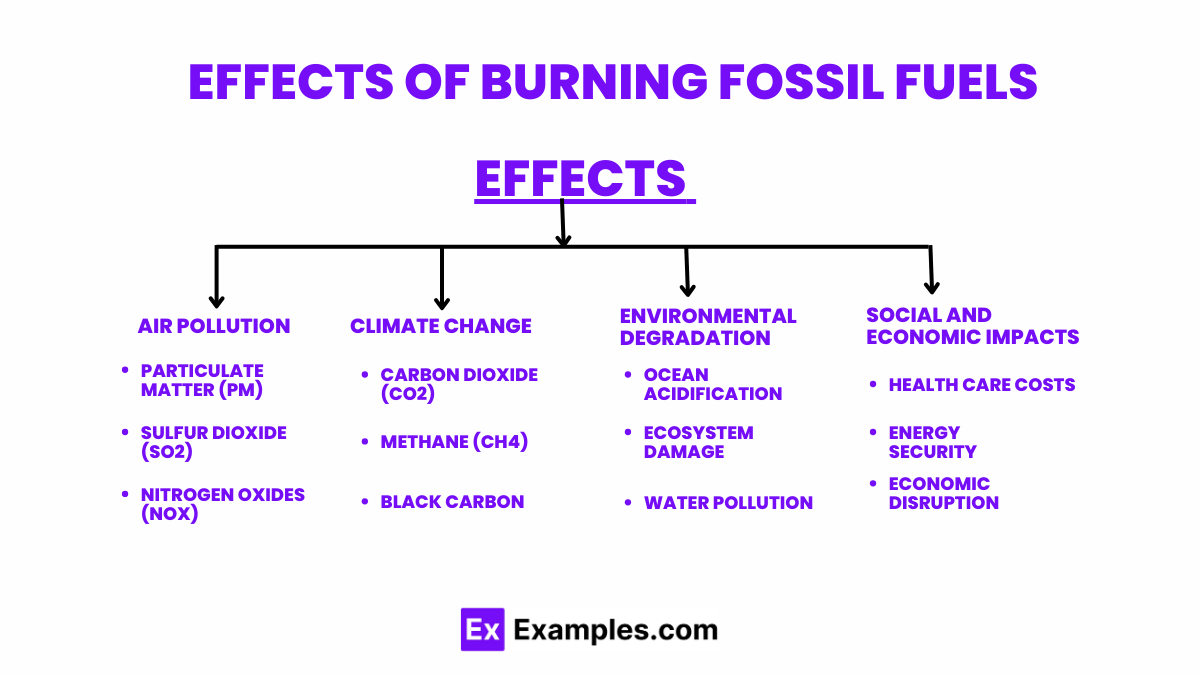
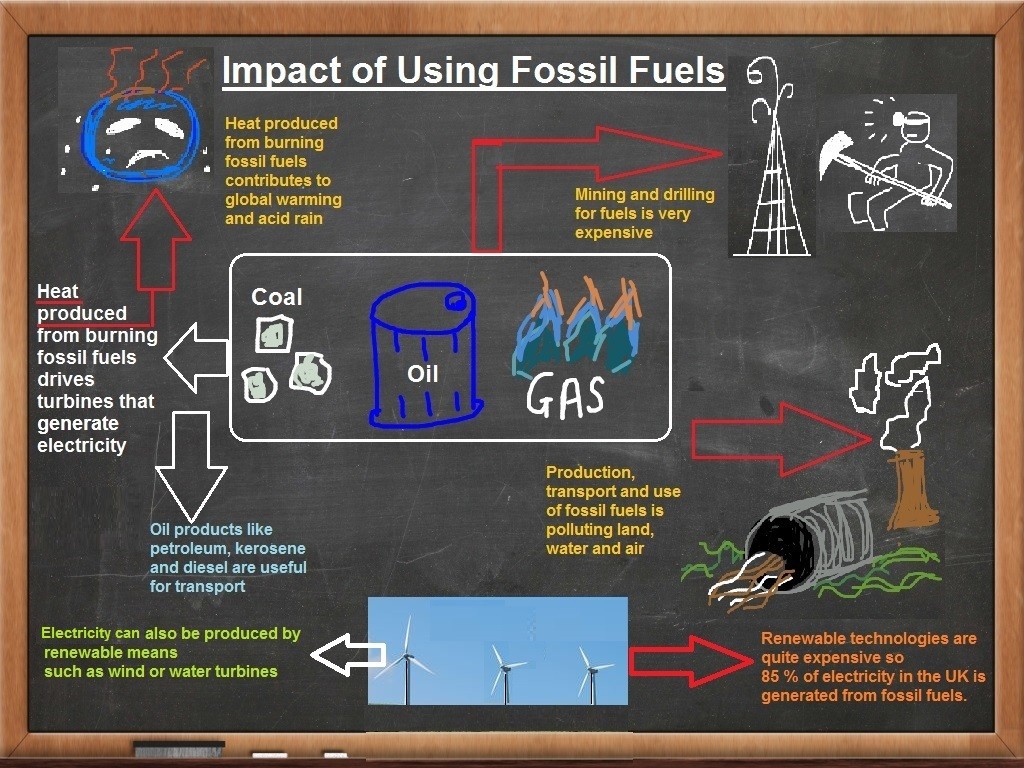
The problem isn't the fuels themselves; it's what happens when we use them. To get that energy out, we have to burn them. And when you burn things, stuff goes into the air. If you've ever had a bonfire or a fireplace, you know that smoke drifts up. When we burn fossil fuels on a massive, global scale for our cars, power plants, and factories, a lot of stuff, particularly carbon dioxide, gets released into our atmosphere.
Must Read
Our Planet's Cozy Blanket (Getting Too Thick!)
Now, carbon dioxide isn't inherently evil. It’s a natural part of our atmosphere and plays a crucial role. Think of our Earth having a lovely, snug blanket – that's our atmosphere, and a certain amount of carbon dioxide helps keep us warm enough to live comfortably, like a perfectly toasted marshmallow. This is called the greenhouse effect, and without it, Earth would be a frozen, uninhabitable rock. Brrr!
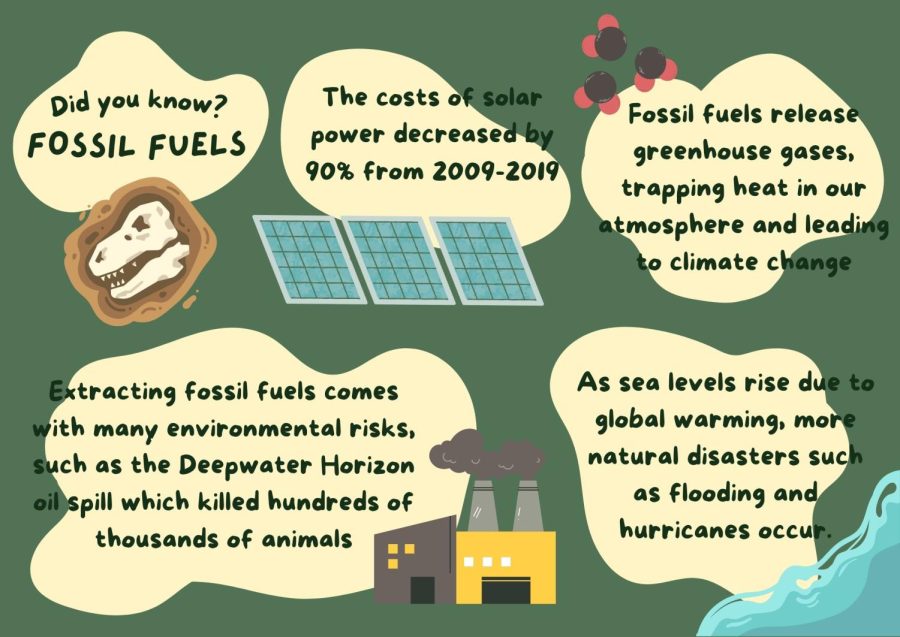
But here's where the plot thickens (literally). For the last couple of centuries, we've been burning fossil fuels at an unprecedented rate, pumping out a lot more carbon dioxide than Earth's natural systems can comfortably handle. It's like someone suddenly decided to pile on twenty extra wool blankets when you were already perfectly cozy. Suddenly, you're not just warm; you're starting to sweat, right? That's what's happening to our planet. The extra carbon dioxide is thickening Earth's blanket, trapping too much heat. This is what we call global warming or climate change.

So, What Does This Mean for Us?
"Okay," you might be thinking, "a bit warmer? I like sunshine!" But it's not quite that simple, my friend. This extra warmth is like a mischievous little imp, stirring things up in ways that can be pretty inconvenient, and sometimes, downright serious.
1. Weather Gone Wild!
Remember that awesome outdoor concert you planned, only for a sudden, torrential downpour to wash it out? Or that year your garden got super thirsty because it just wouldn't rain? Climate change is making our weather patterns more extreme and unpredictable. We're seeing more intense heatwaves that make even a short walk feel like a marathon in a sauna, stronger storms that can knock out power for days (goodbye, Netflix!), and weird shifts in seasons. It's like Mother Nature decided to throw a curveball every other day, messing with our BBQ plans and outdoor adventures.
2. Our Oceans Are Feeling Blue
Our beautiful oceans, home to shimmering coral reefs and playful dolphins, are absorbing a lot of that extra heat and carbon dioxide. This makes them warmer and more acidic. Imagine your favorite aquarium getting too hot and murky – not good for the fishy residents! This is causing precious coral reefs, which are like the bustling underwater cities, to bleach and die. Less vibrant oceans mean less delicious seafood and fewer stunning sights for your next beach vacation or snorkeling trip.
3. Air You Can See (and Feel!)
Beyond the climate impact, burning fossil fuels also releases other pollutants into the air. Ever walked outside on a really smoggy day and felt your throat tickle or your chest get tight? That's some of the "stuff" we're talking about. It can lead to respiratory problems, especially for kids and the elderly. Nobody wants their morning jog to feel like an uphill battle in a smoke-filled room!
Why Should You Care, Really?
It's easy to think, "Oh, that's a big problem for scientists and politicians to sort out." But here's the kicker: this isn't some distant, abstract issue affecting only polar bears (as cute as they are!). This is about our everyday life, our comfort, our health, and the future we're building for our children and grandchildren.
Think of it like this: if your house was getting too hot and stuffy, and the air felt dirty, you wouldn't just sit there, would you? You'd open a window, turn on a fan, or figure out what's causing the problem. Earth is our home, and right now, it's getting a little too warm and a little too cluttered with carbon. Caring about this isn't about being a superhero; it's about being a good housemate to everyone else on this planet, and to future generations. It's about preserving the beauty and stability of the only home we've got.
So, What Now? (Small Steps, Big Impact!)
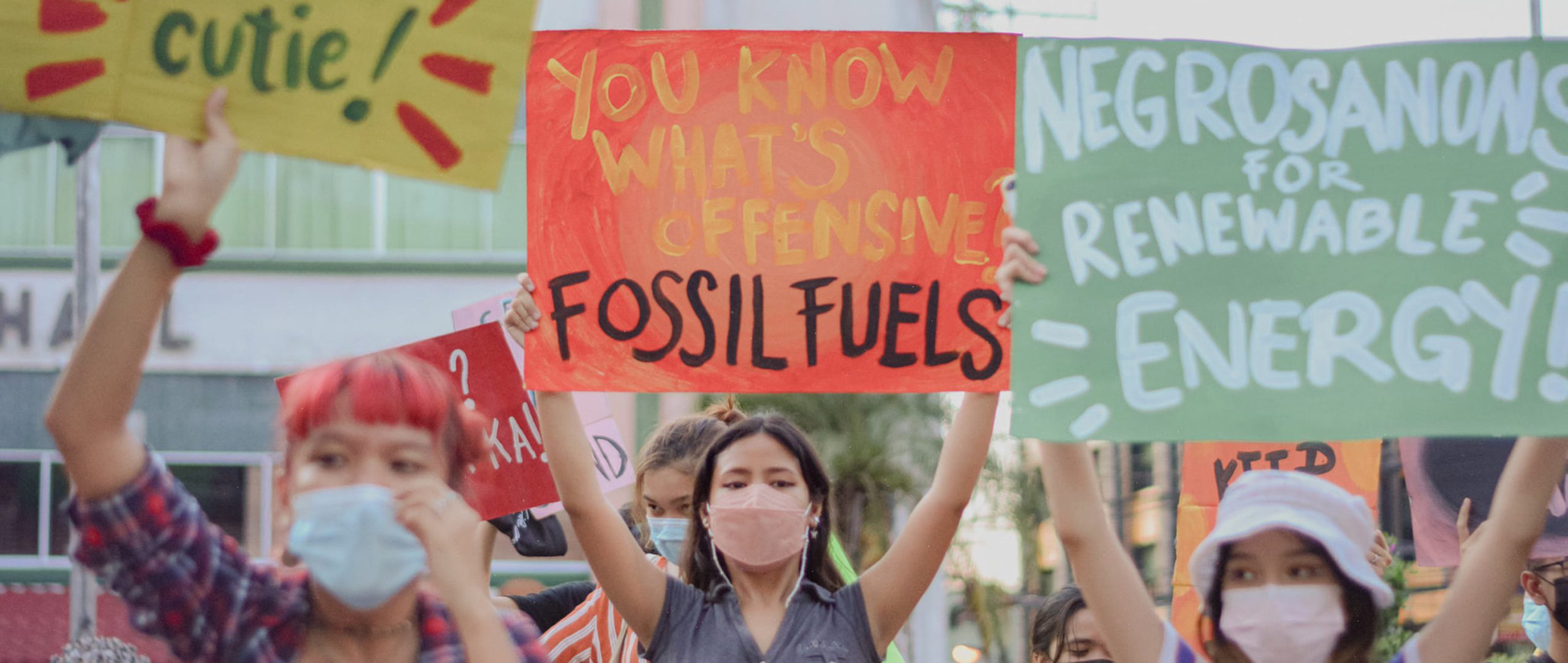
Don't worry, this isn't a call to throw out your car and live in a cave! It's simply an invitation to understand and perhaps, just perhaps, think a little differently about our energy choices. Every small step helps, whether it's choosing to walk or bike sometimes, switching to energy-efficient lightbulbs, supporting companies that use renewable energy, or even just talking about it with friends. It's like making tiny, delicious changes to a recipe that ultimately makes the whole meal taste amazing.
The good news is, we have smarter, cleaner ways to power our lives – like sunshine and wind! By understanding why burning fossil fuels is bad, we can all play a part in nudging our planet back to that perfectly cozy temperature, ensuring a bright, breathable, and beautiful future for everyone. Let’s keep our planet happy, healthy, and just the right kind of warm!