Why Is Biomass Considered A Renewable Resource
Ah, the smell of a crackling fireplace on a cold winter's night. Or maybe you're a fan of that smoky BBQ flavor achieved with wood chips. Perhaps you're simply aware that some power plants are switching over to more sustainable sources. All these things, in some way, connect us to biomass, a renewable resource that's increasingly important in our lives.
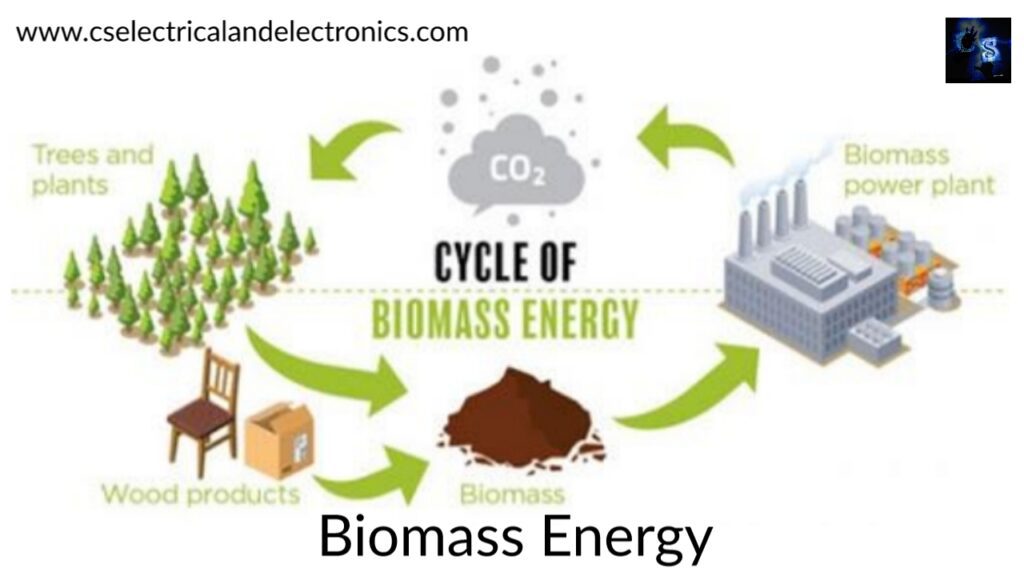
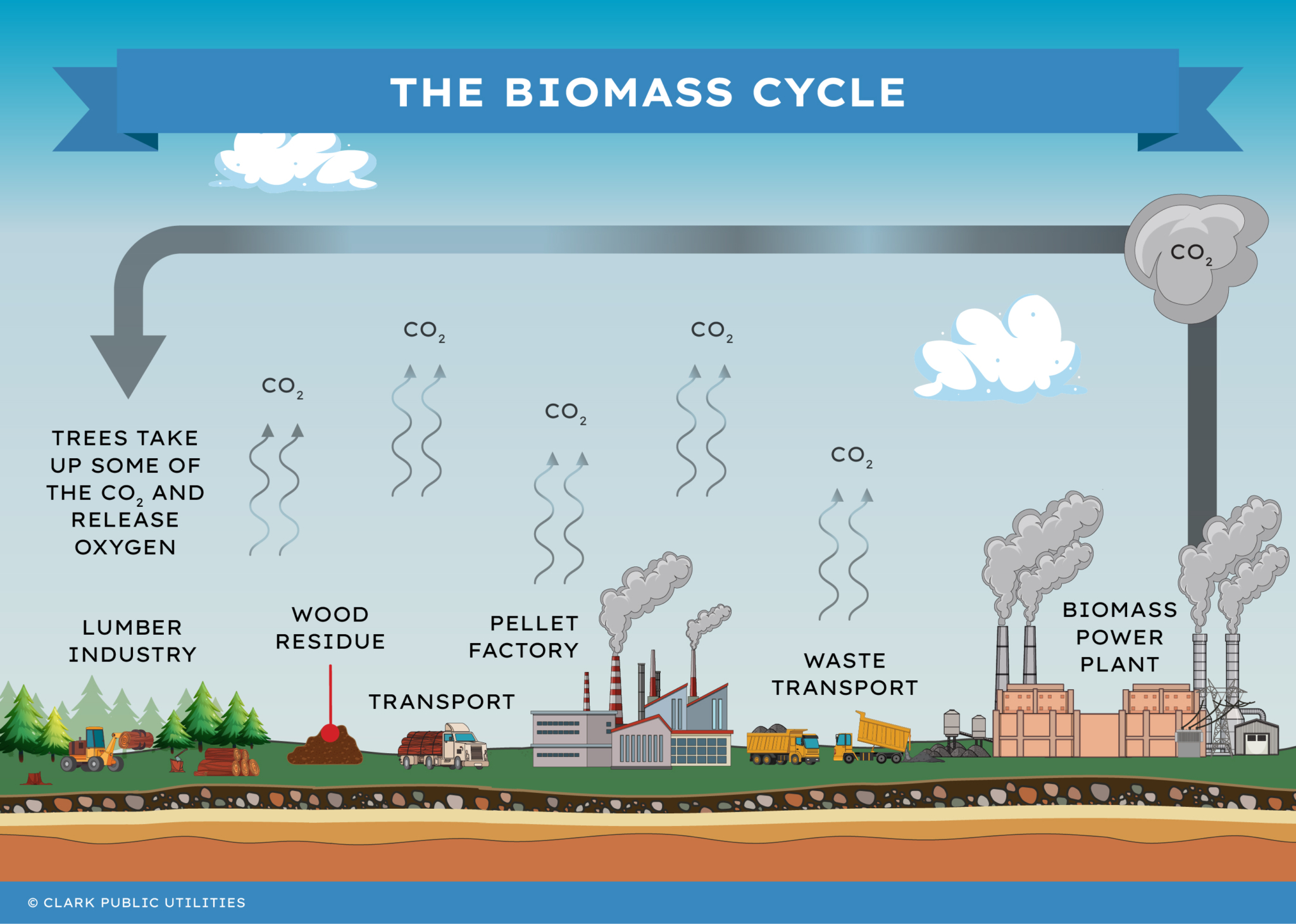
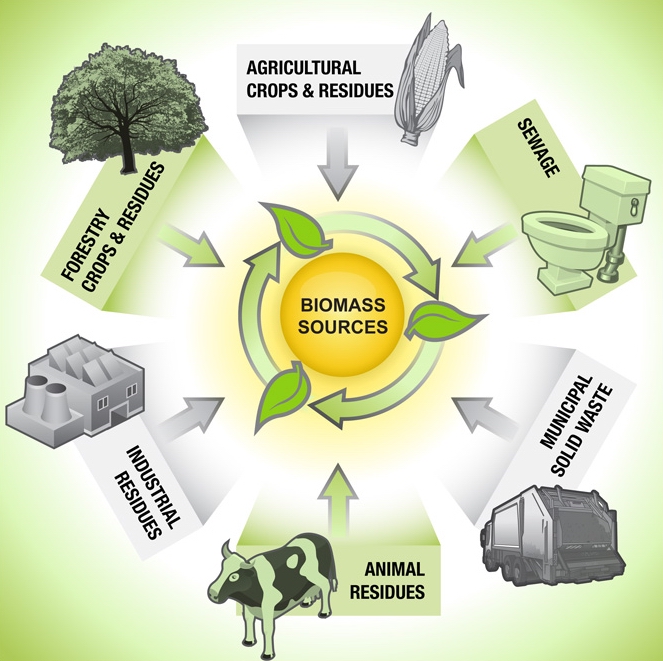
But what exactly is biomass, and why is it considered renewable? Simply put, biomass is organic matter that comes from plants and animals. The key word here is organic, meaning it's derived from living or recently living organisms. Think of wood, crops, manure, and even organic waste from landfills. The beauty of biomass lies in its potential to provide us with energy, heat, and even materials, all while being theoretically sustainable.
The benefits of using biomass are numerous. Firstly, it helps to reduce our reliance on fossil fuels, which are finite and contribute significantly to greenhouse gas emissions. Secondly, using biomass can help manage waste. Instead of letting agricultural or municipal waste decompose and release methane (a potent greenhouse gas), we can utilize it for energy production. Thirdly, biomass can support rural economies by creating jobs in farming, forestry, and processing. These jobs can be especially important in areas where traditional industries are declining.
Must Read
You see biomass applications all around you. Wood is a classic example, used for heating homes and even generating electricity in some power plants. Corn and sugarcane are used to produce biofuels like ethanol, which can be blended with gasoline to power our cars. Landfill gas, a byproduct of decomposing organic waste, can be captured and used to generate electricity. Even algae, a type of aquatic biomass, is being explored as a potential source of biofuel and other valuable products.
So, how can you enjoy biomass more effectively and contribute to a more sustainable future? Here are a few practical tips:
- Source your wood responsibly: If you use a fireplace or wood stove, ensure the wood you burn is sustainably harvested from certified forests. Look for labels like the Forest Stewardship Council (FSC). This ensures the forest is managed in a way that promotes biodiversity and long-term health.
- Support biofuel initiatives: Choose E85 fuel (a blend of 85% ethanol and 15% gasoline) if your vehicle is compatible. Even small amounts of biofuels can make a difference.
- Compost your food waste: Composting reduces the amount of organic waste that ends up in landfills, decreasing methane emissions and creating valuable fertilizer for your garden.
- Advocate for sustainable policies: Encourage your local and national leaders to support policies that promote the use of biomass and other renewable energy sources.
Biomass offers a promising path towards a more sustainable energy future. By understanding its benefits and embracing responsible practices, we can all contribute to a greener planet, one cozy fire or clean-burning biofuel at a time.