Why Is A Nickel Called A Nickel
Ever stopped to think about the everyday objects we use without a second thought? Take the humble five-cent coin, for instance. We all know it as a nickel, but have you ever paused to wonder why it’s called a nickel? It’s one of those delightful little historical nuggets (pun intended!) that’s hiding in plain sight, offering a peek into the past of American coinage and language. Learning these small stories makes our world a little richer and certainly more curious.
At its core, a nickel serves a straightforward purpose: facilitating small transactions as five cents of U.S. currency. Before 1866, the five-cent coin was actually a tiny silver piece. However, the American Civil War created economic turmoil, leading to silver shortages and a need for a more practical, durable, and readily available metal for coinage. This is where our story truly begins! The U.S. Mint began experimenting with a new, harder alloy that contained a significant amount of the metal nickel. This innovative composition was the very reason the coin earned its distinctive name.
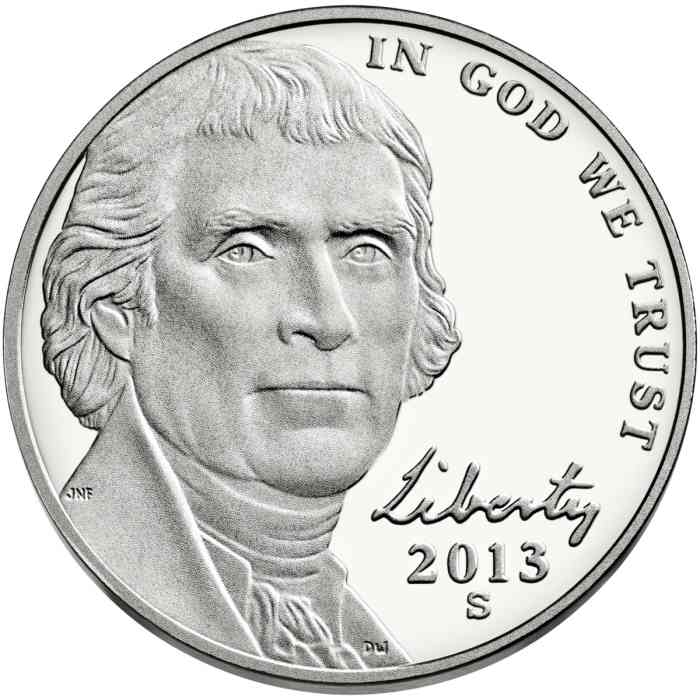
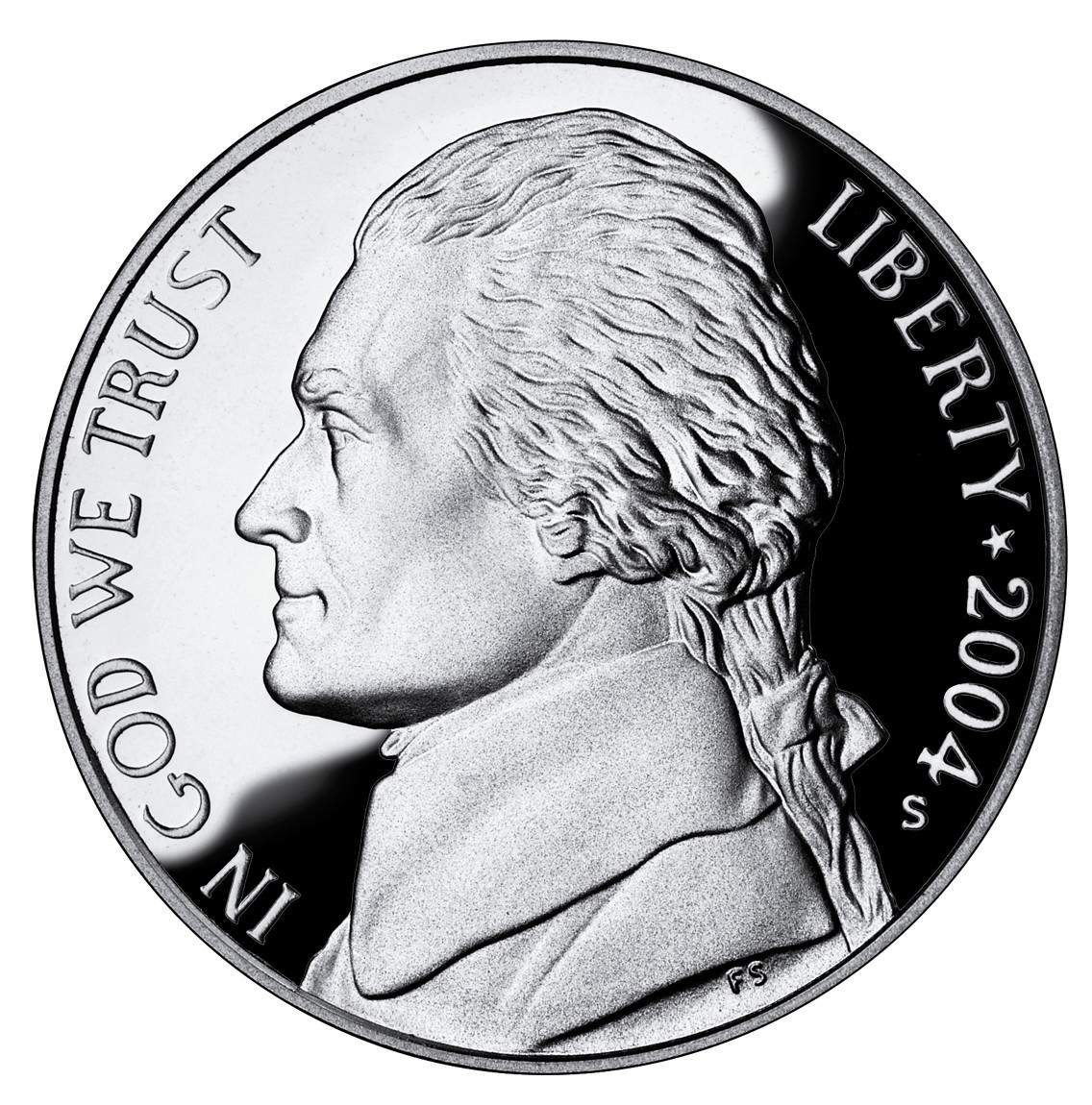
The new five-cent coin, introduced in 1866, was officially known as the "Shield Nickel." Its composition was groundbreaking for its time: 75% copper and 25% nickel. While copper made up the majority, it was the inclusion of nickel that was truly novel and gave the coin its unique properties, like increased durability and a distinct silvery-white sheen, differentiating it from purely copper coins. This relatively new metal alloy was so defining that the public quickly adopted "nickel" as the coin's common name, rather than "five-cent piece" or "copper-nickel coin." It was the metal itself that branded the coin, a testament to its perceived significance in its era.
Must Read
The legacy of the nickel extends beyond just being pocket change. In daily life, it's a constant reminder of how materials shape our world and our language. For educators, it’s a fantastic, tangible tool. Imagine explaining basic metallurgy, historical economics, or even etymology by simply holding up a coin! You can easily spark a discussion in a classroom or at the dinner table about how the materials used in objects influence their names, or why certain names stick while others fade away. It’s a simple concept that bridges history, science, and everyday usage.
Want to explore this fascinating topic further? It’s incredibly easy! The next time you handle a nickel, take a moment to really look at it. Feel its weight, observe its color, and remember its namesake metal. You can also dive into the etymology of other coin names: Why is a penny a penny? What about a dime or a quarter? A quick online search will reveal how fascinating and diverse coin histories can be. You might even discover why early coins were often made of precious metals and how that changed over time. These small explorations are wonderful ways to nurture curiosity about the world around us, one five-cent piece at a time!