
Why Is A Hurricane Name Retired
Alright, settle in, grab your imaginary latte, because we're about to dive into one of life's great meteorological mysteries: Why do some hurricane names get sent to the great big retirement home in the sky, while others keep showing up like a bad penny... or, well, a bad tropical depression?
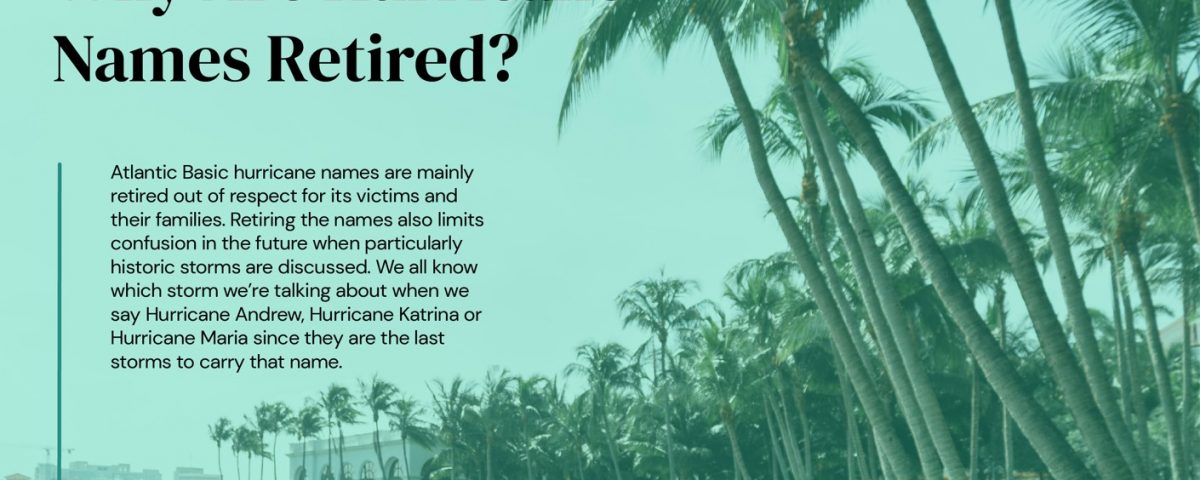
You know the drill. Every hurricane season, we get a fresh batch of names. We've got our Davids, our Emilys, our Freds. They come in nice alphabetical order, switching between masculine and feminine like a very polite but utterly destructive dance troupe. It's all part of a clever system by the World Meteorological Organization (WMO) to help us track storms and avoid total chaos. Imagine trying to talk about "that really big storm that hit Florida last month" versus "Hurricane Wanda." See? Much clearer.
These names are actually on a six-year rotation. So, if we used "Hurricane Bartholomew" this year (bless his cotton socks), Bartholomew would be back in six years, ready to rumble again. It's like a meteorological Groundhog Day, but instead of seeing its shadow, it sees a coastline and decides to throw a party. But then, every so often, a name just... disappears. Poof! Gone. You'll never hear "Hurricane Katrina" or "Hurricane Sandy" again. Why?
Must Read
The Hall of Shame (and Sorrow)
The short answer is: because those storms were absolute beasts. We're talking about storms that caused such widespread death, destruction, and utter misery that their names became synonymous with catastrophe. They didn't just break a few windows; they shattered communities, redefined coastlines, and left an indelible scar on the collective memory.
Think about it. If "Hurricane Katrina" came rolling around again, wouldn't your mind immediately flash back to the devastation of New Orleans? If "Hurricane Sandy" started brewing, wouldn't you picture the New York City subway system underwater? It's not just a name anymore; it's a trigger. And nobody wants to be reminded of that kind of trauma by seeing a new, perfectly innocent storm named "Katrina Jr." heading their way. That would be just plain cruel.
So, when a hurricane has been particularly naughty – and by naughty, I mean caused catastrophic damage and significant loss of life – its name is unceremoniously, but very respectfully, retired. It's like being placed in a permanent "Hall of Infamy" for meteorological monsters. But instead of a trophy, it gets a one-way ticket to oblivion, never to be uttered again in a forecast context.
Who Decides This Fate?
It's not some lone, grumpy weatherman shaking his fist at the sky. Oh no. The decision rests with the World Meteorological Organization (WMO) Hurricane Committee. These are the folks who meet annually to discuss the past season and make these solemn decisions. I imagine it's a very serious meeting, probably with lots of tea and very complicated graphs. They weigh the human impact, the economic damage, and the sheer psychological toll a storm has taken.
Once a name is deemed too destructive to ever be reused, they simply pick a new name to replace it on that six-year rotating list. So, if "Hurricane Irene" (retired in 2011 after devastating the Caribbean and East Coast) was due up again, they'd slot in "Hurricane Irma" (a name that sadly also went on to be retired in 2017). It's a never-ending cycle of replacement, ensuring that we always have a fresh, hopefully less traumatic, batch of monikers.
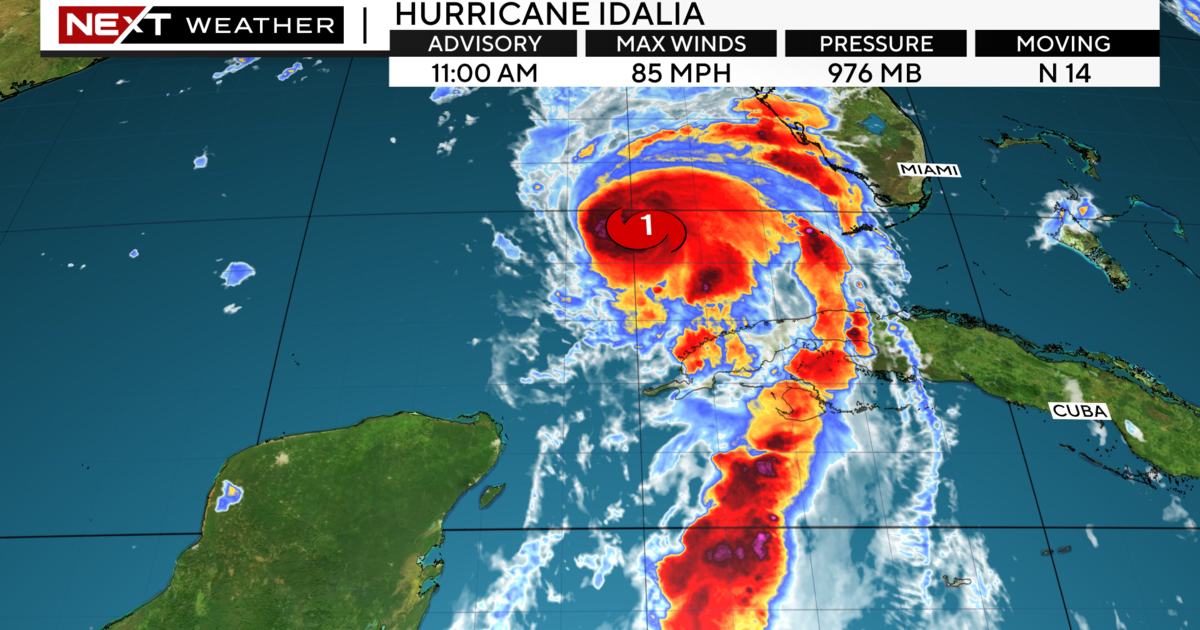
It’s important to remember that this isn't some sort of meteorological "shame game" where storms are punished. They're just weather phenomena, after all, completely oblivious to our naming conventions. The retirement is entirely for us, for the human population affected. It’s a gesture of respect, a recognition of profound suffering, and a practical way to prevent confusion and unnecessary distress.
Surprising Facts (and the ones that got away)
Here's a fun, slightly surprising fact: Did you know that not every destructive storm gets its name retired? Sometimes a storm can cause significant damage, but if it doesn't meet that high threshold of widespread death and destruction, its name might live to blow another day! It's like receiving a stern talking-to instead of being expelled from school. A storm might cause billions in damage, but if the human toll is relatively low thanks to good preparation and luck, its name could still be on the roster in six years.
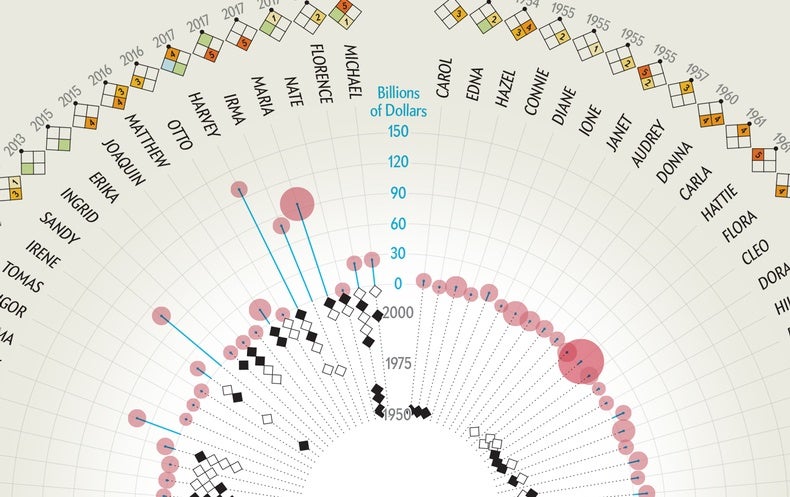
For example, "Hurricane Opal" (1995) caused significant damage in Florida, but its name was not retired. Or take "Hurricane Joaquin" (2015), which was incredibly intense and tragically sank the cargo ship El Faro, but it wasn't retired either. It’s a nuanced decision, reflecting not just the storm's power, but its impact on human life and memory.
So, what's the takeaway?
When you hear that a hurricane name has been retired, it's not just a quirky weather fact. It's a somber acknowledgement of a storm's immense power and the devastating mark it left on the world. It’s the WMO saying, "Nope, we're not going there again. That name is forever etched in history as a symbol of heartbreak, and we're going to give everyone a fresh start, at least with the naming."
So, next time you hear a weather forecaster mention a new tropical storm, give a little nod to the retired legends. They may be gone from the active list, but their stories, and the lessons learned from their devastating paths, live on. And maybe, just maybe, let's hope no more names get added to that infamous list anytime soon. Less drama for everyone, right?
