Why Gas Bill So High In Winter
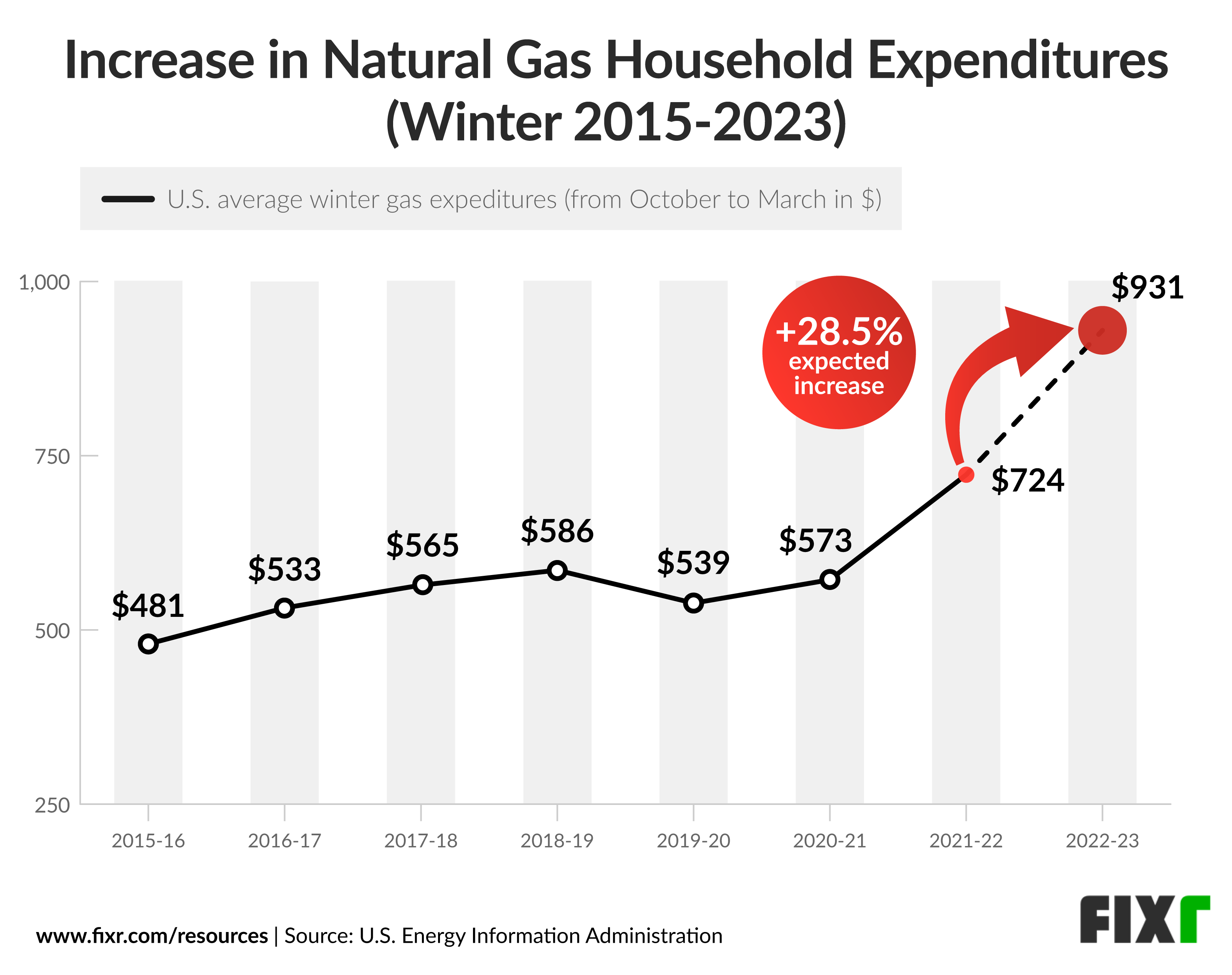
Ever ripped open your utility bill in the depths of winter and thought, "Whoa, Nelly! What on Earth happened here?" You're not alone. That sudden, often shocking surge in your gas bill when the temperatures drop is a mystery many of us face annually. Instead of just sighing and writing the check, let's embark on a little detective work, shall we? Understanding why your gas bill climbs so high isn't just about curiosity; it's about gaining a little superpower over your home's energy use, and maybe even saving some precious pennies in the long run.
The core purpose of this exploration is to demystify the seemingly complex world of home heating and energy consumption. The benefits are manifold: firstly, it empowers you. No longer will you feel at the mercy of the gas company; you'll understand the underlying principles. Secondly, this knowledge can directly translate into smarter energy habits, leading to lower bills and a reduced carbon footprint. It’s about being an informed homeowner, someone who understands the subtle dance between your thermostat, your insulation, and the biting cold outside.
Think about how this applies in everyday life. In education, understanding your high gas bill touches upon fascinating principles of physics, like heat transfer (conduction, convection, and radiation). You might learn about thermodynamics, seeing how energy moves from warmer areas to colder ones – essentially, your expensive heated air desperately trying to escape your house! In daily life, this knowledge helps you make practical decisions: whether to adjust your thermostat, invest in better window seals, or even just wear an extra sweater. It’s the difference between blindly accepting a draft and understanding why that draft costs you money. You might even start tracking your daily gas meter readings just for fun, seeing how simple actions like baking a cake or taking a long shower nudge the numbers.
Must Read
Ready to become an energy detective? Here are some simple ways to explore this phenomenon. Start by simply observing your home: do you feel distinct drafts near windows or doors? That's your heated air making an expensive escape! Consider performing a mini DIY energy audit: light an incense stick near potential leaks on a windy day and watch the smoke dance. Another practical tip is to really get to know your thermostat. Does it have programmable features you're not utilizing? Setting it lower when you're out or asleep can make a surprising difference. Pay attention to how often your furnace kicks on and how long it runs. Learning about the R-value of insulation or the concept of a "thermal envelope" for your home can also be incredibly illuminating. This isn't just about saving money; it’s about making your home a more comfortable, efficient, and understood space.