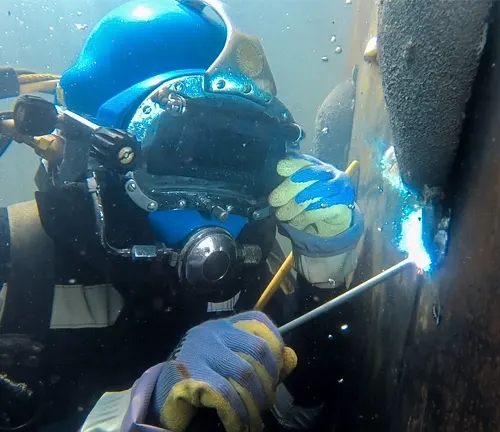
Why Does Underwater Welding Shorten Your Life
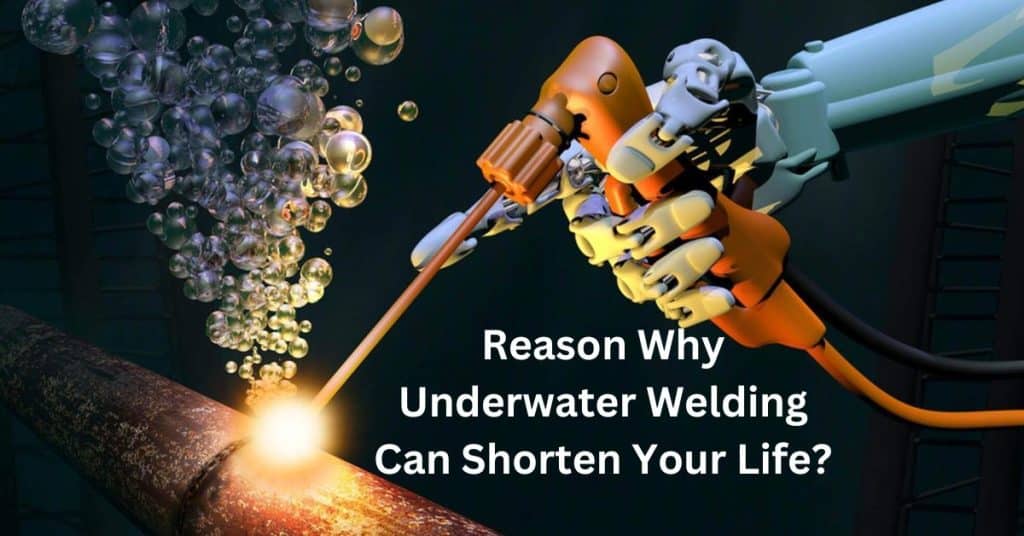
Okay, let's dive into something a little... intense. We're talking about underwater welding! Now, you might be thinking, "Welding? Underwater? Sounds cool!" And you're right, it is! Think of it as the superhero version of welding, fixing ships, oil rigs, and pipelines deep beneath the surface. But (and there's always a but, right?) it's not all glamour and glistening metal. The truth is, underwater welding is a tough job, and it can, sadly, shorten your life. So, why exactly is this vital but risky profession so dangerous?
First, let’s talk about what underwater welding actually does. Imagine a crucial oil pipeline springs a leak at the bottom of the ocean. You can't just pull the whole thing up! Underwater welders are called in to make repairs in situ, meaning "in place." They use specialized equipment to create a waterproof bubble around the work area and then weld the metal just like they would on dry land. The benefits are huge: faster repairs, less disruption to underwater infrastructure, and significant cost savings. This makes underwater welding essential for maintaining our global maritime infrastructure and energy production.
But here's where things get dicey. One of the biggest dangers is electrocution. Water conducts electricity, and even with stringent safety measures, the risk of getting shocked is always present. Welders wear specialized suits and use equipment designed to minimize this risk, but accidents can and do happen. It's a constant battle against the elements, and any small leak or equipment malfunction can become a life-threatening situation.
Must Read
Then there's the pressure. The deeper you go, the greater the pressure exerted on your body. This can lead to a condition called decompression sickness, or "the bends," where nitrogen bubbles form in your blood and tissues. It's incredibly painful and can cause permanent damage or even death. Underwater welders undergo rigorous training and use specialized breathing mixtures to minimize this risk, but it’s still a major concern.
And let’s not forget about the toxic fumes. Welding produces fumes, and underwater, these fumes can become concentrated in the diver's helmet. These fumes can contain heavy metals and other harmful substances that, over time, can damage the lungs, brain, and other organs. Proper ventilation and respiratory protection are crucial, but prolonged exposure can still have long-term health consequences.
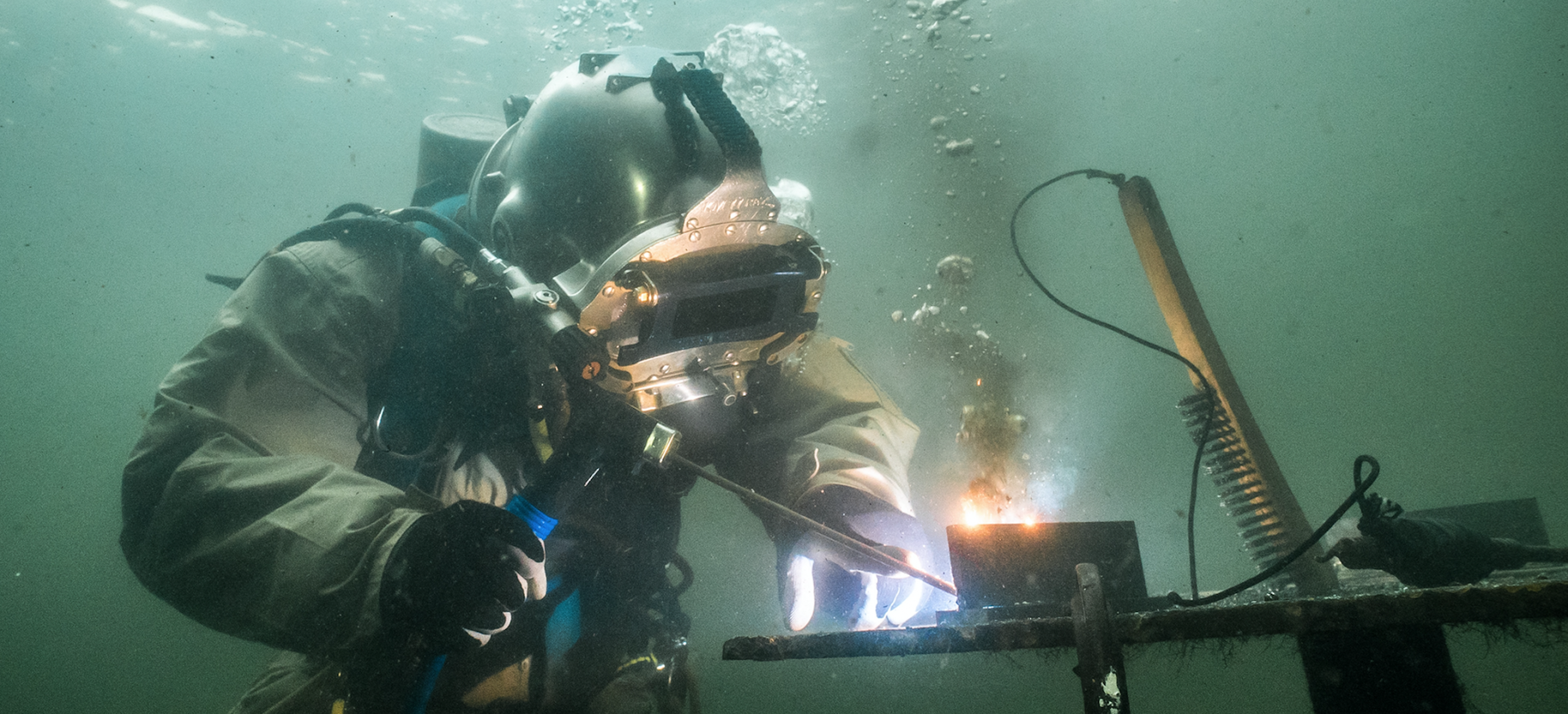
Beyond these immediate dangers, underwater welding can also lead to long-term health problems such as bone necrosis (bone death) due to the constant pressure changes, and an increased risk of certain cancers due to the exposure to welding fumes and radiation. It’s a profession that takes a serious toll on the body.
So, while underwater welding is a fascinating and incredibly important job, it's also one of the most dangerous in the world. The combination of electrocution risk, extreme pressure, toxic fumes, and long-term health consequences contribute to a significantly shortened lifespan for those who brave the depths to keep our underwater infrastructure running smoothly. They truly are the unsung heroes of the deep!