Why Does The Cold Air Remain Near The Ground
There's nothing quite like stepping outside on a crisp autumn evening and feeling that cool, refreshing air settle around your ankles. Or perhaps you're a fan of watching the fog roll in over a valley, clinging to the ground like a mystical blanket. We often think of temperature as being uniform, but the reality is, air temperature varies greatly with altitude, and that has profound implications for our daily lives. So, why does that cold air seem to love hanging out near the ground?
Understanding this phenomenon, known as temperature inversion or more simply, the behavior of cold air, is more than just a curiosity. It helps us understand weather patterns, predict fog formation, and even optimize agricultural practices. For instance, knowing that cold air pools in low-lying areas can help farmers protect their crops from frost damage. It also plays a crucial role in air quality. During a temperature inversion, pollutants can get trapped near the ground, leading to smog and other health hazards. So, grasping this concept has real-world benefits for our health and well-being.
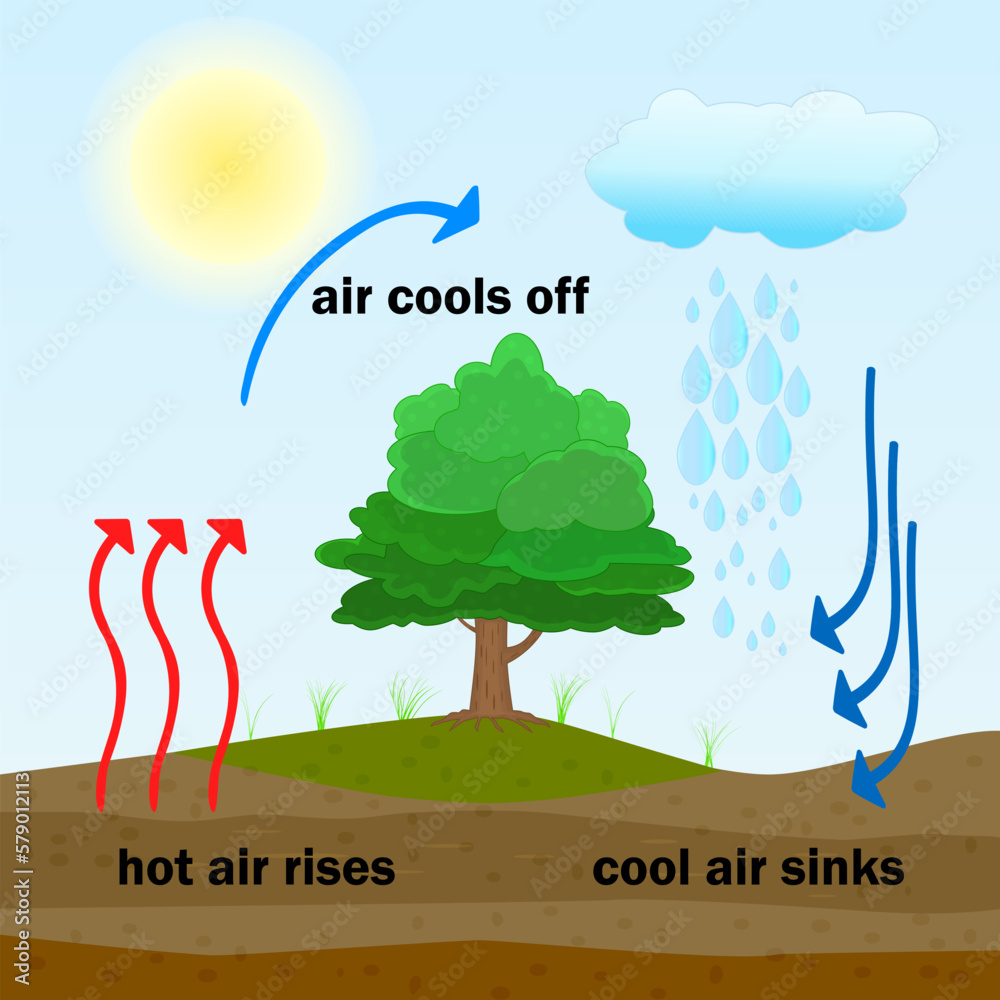
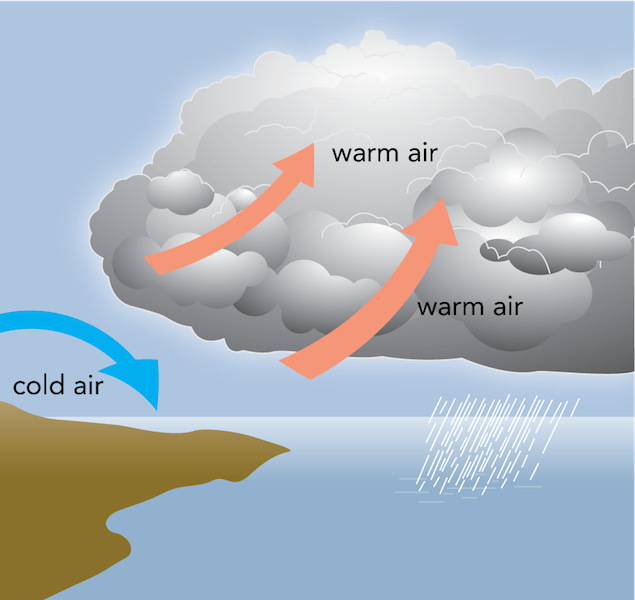
The reason cold air stays near the ground boils down to a simple principle: density. Cold air is denser than warm air. Think of it like this: the molecules in cold air are moving slower and are packed more tightly together. This makes cold air heavier, causing it to sink. The opposite is true for warm air – the molecules are moving faster, spreading out, making it less dense and causing it to rise. Therefore, on clear, calm nights, the ground radiates heat away, cooling the air directly above it. This cooled air becomes denser than the warmer air higher up, and it settles near the ground, creating that refreshing chill we sometimes enjoy (or endure!).
Must Read
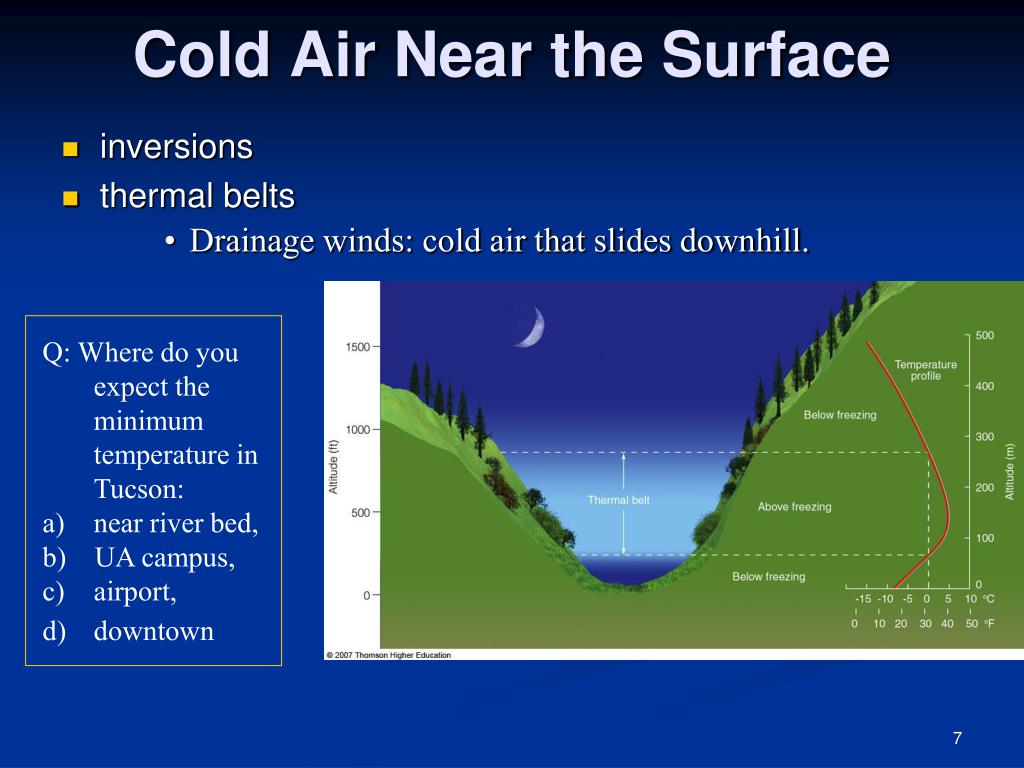
Common examples of this phenomenon are everywhere. Fog formation is a classic illustration. As the ground cools at night, the air near the surface can become saturated with water vapor. Since cold air can hold less moisture than warm air, this excess moisture condenses, forming fog, which hugs the ground due to the cold air's density. Another example is frost pockets in gardens and farms. These are low-lying areas where cold air accumulates, increasing the risk of frost damage to plants. Even the formation of valley breezes, where cool air descends from the mountains at night, is a result of this density difference.
So, how can you enjoy (or at least better manage) this phenomenon? If you're a gardener, understanding frost pockets is crucial. Planting sensitive plants on slopes or using frost covers can help protect them. For outdoor enthusiasts, knowing that valleys tend to be colder can influence your clothing choices and hiking routes. And if you're concerned about air quality, monitoring local weather forecasts can help you understand when temperature inversions are likely to occur and take precautions to minimize exposure to pollutants. You can also embrace the beauty of a cold air drainage by watching a clear sky on a starry night, as the lack of clouds is often responsible for the chill air near the ground.
Ultimately, understanding why cold air remains near the ground isn't just about science; it's about appreciating the intricate workings of our atmosphere and how they impact our everyday lives. By paying attention to these patterns, we can better adapt to our environment and make informed decisions that benefit both our health and our enjoyment of the world around us.