
Why Does My House Smell Like Skunk At Night
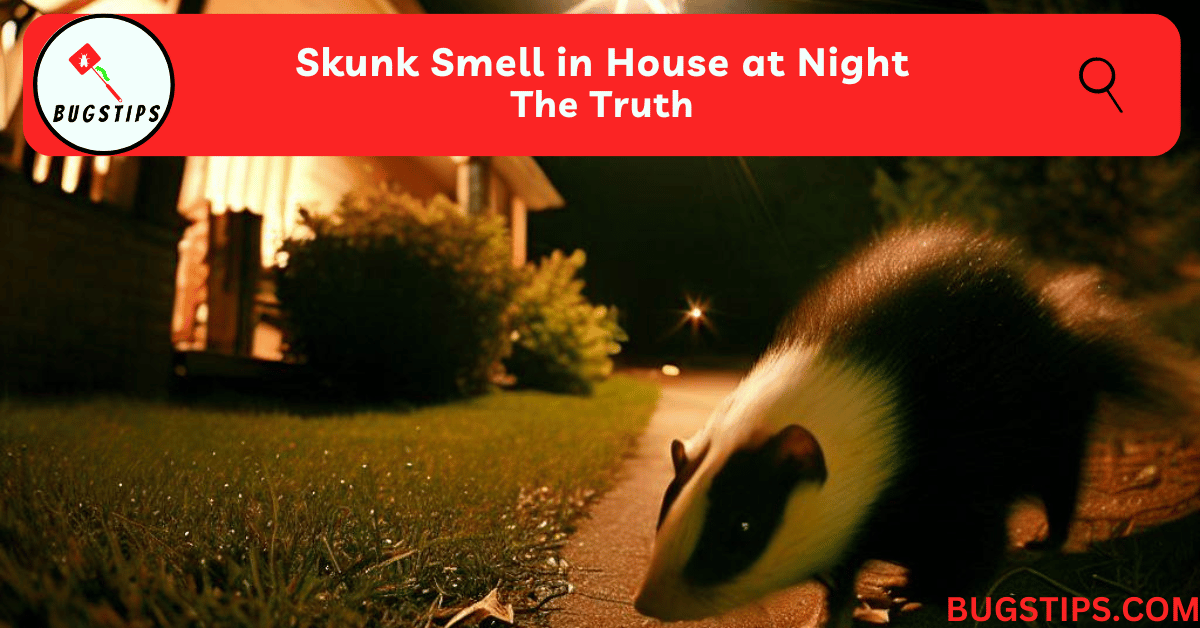
Ever walk into your house after sunset and get hit with a wave of… eau de skunk? Yeah, not exactly the calming ambiance you were going for. It's a surprisingly common problem, and the good news is, you're not alone (and hopefully not being actively sprayed by a striped bandit).
The Usual Suspects: Why the Nighttime Skunk Aroma?
So, why nighttime specifically? Here's the breakdown of the most likely culprits:
1. Skunk Activity Peaks After Dark: Skunks are crepuscular animals, meaning they're most active during twilight hours – dawn and dusk. This is when they're out foraging for food, digging for grubs, and generally making a nuisance of themselves (at least to our noses!).
Must Read
2. Atmospheric Conditions: Cool, damp air tends to hold odors closer to the ground. So, if a skunk sprays nearby at night, that pungent scent is more likely to linger and drift into your home, especially if you have open windows or poor ventilation.
3. Mating Season Mayhem: Skunk mating season typically occurs in late winter or early spring. During this time, males are particularly aggressive and more prone to spraying as they compete for mates. Think of it as their version of a really bad cologne. Imagine Axe body spray, but… worse.

4. "Phantom Skunk" Syndrome: Sometimes, the smell isn't a direct skunk spray, but rather the lingering odor of a previous encounter. Skunk spray is oil-based and can cling to surfaces for weeks, even months. A little humidity can re-activate the scent, making you think you have a fresh skunk problem.
Detective Work: Tracking Down the Source
Before you resign yourself to a skunk-scented existence, do a little investigating. Here's your checklist:

- Check for Skunk Sign: Look for small, shallow holes in your yard (they're digging for grubs). Also, keep an eye out for skunk droppings, which resemble cat feces but often contain undigested insects or berries.
- Sniff Around the House: Walk the perimeter of your home, sniffing near windows, doors, vents, and crawl spaces. This can help you pinpoint where the smell is strongest.
- Examine Your Pets: Did your dog or cat have a recent close encounter? They might be carrying the scent indoors. A bath with a skunk-odor-neutralizing shampoo is crucial (avoid tomato juice – it’s an old wives’ tale that doesn't really work!).
- Consider Your Neighbors: Talk to your neighbors to see if they've noticed any skunk activity. They might have seen the culprit or know of a den nearby.
The Skunk-Proofing Playbook: Prevention is Key
Once you've identified the source (or potential sources), take steps to prevent future skunk encounters:
- Secure Your Garbage: Skunks are attracted to food scraps. Use tightly sealed trash cans and keep them in a garage or shed if possible.
- Eliminate Food Sources: Pick up fallen fruit, clean up birdseed, and avoid leaving pet food outdoors overnight.
- Seal Off Access Points: Skunks can squeeze through surprisingly small spaces. Seal any cracks or holes in your foundation, around pipes, and under decks.
- Install Motion-Activated Lights: Skunks are often deterred by bright lights.
- Consider a Skunk Repellent: There are several commercially available skunk repellents, both liquid and granular, that can help keep them away. Choose one that is safe for pets and children.
Dealing with the Smell: Neutralizing the Offense
Okay, the damage is done. You've got a skunk-smelling house. Time for damage control.
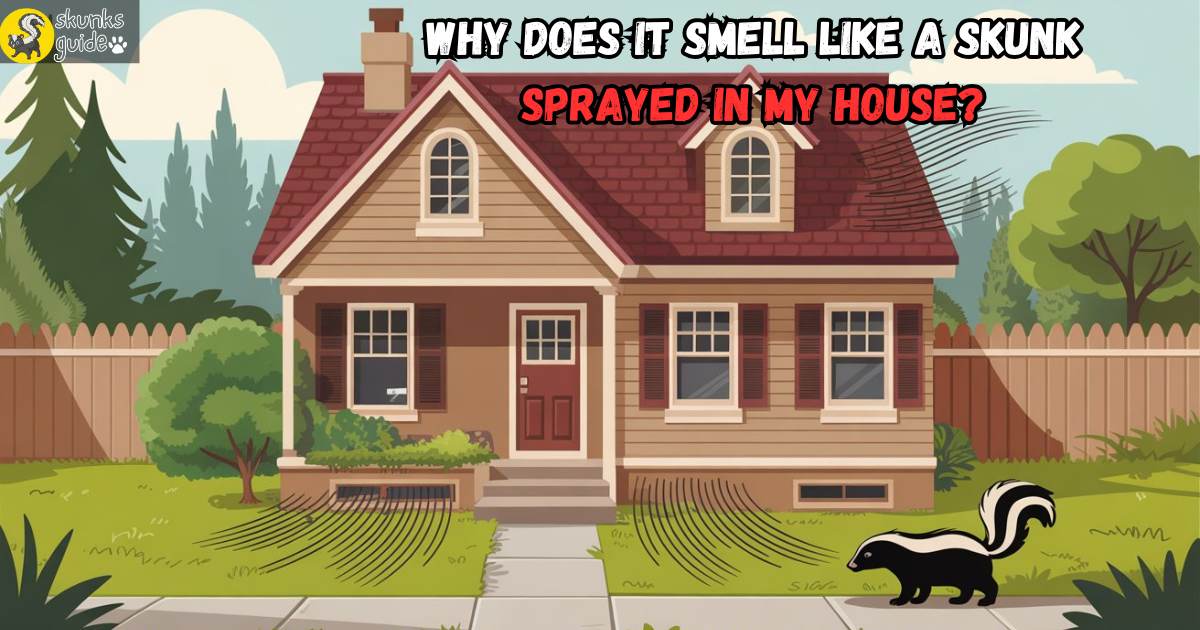
Ventilate: Open windows and doors to air out the house. Use fans to circulate the air. Good ventilation is critical.
Clean Affected Surfaces: Wash any surfaces that may have come into contact with the skunk spray with a solution of:
- 1 quart of 3% hydrogen peroxide
- ¼ cup of baking soda
- 1 teaspoon of liquid dish soap
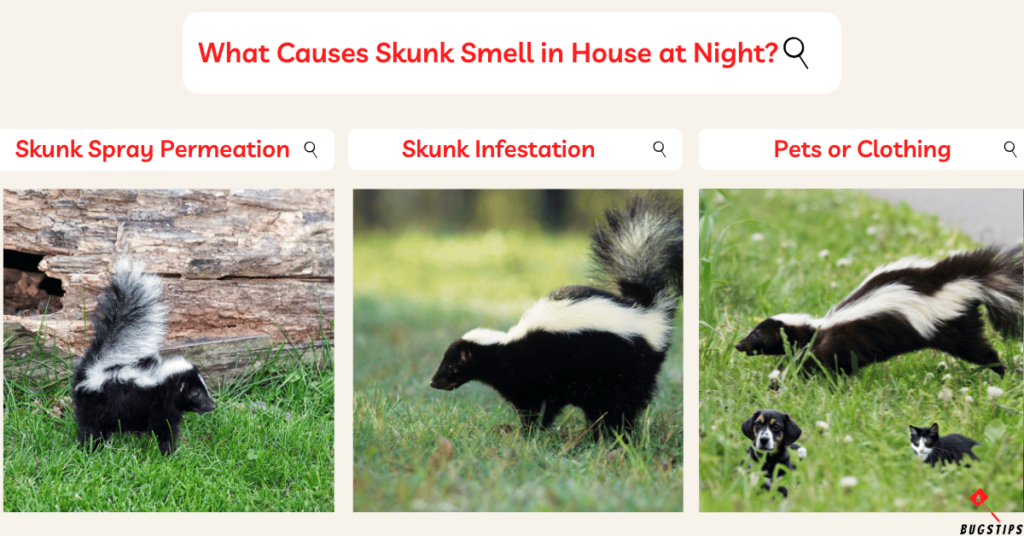
Air Fresheners and Odor Absorbers: Use air fresheners, odor-absorbing gels, or bowls of vinegar to help neutralize the lingering scent. Activated charcoal is also a great option.
Call a Professional: If the smell is overwhelming or you can't locate the source, consider calling a professional wildlife removal service or a cleaning company specializing in odor removal.
A Final Thought: Coexistence and Perspective
Dealing with skunks can be frustrating, but remember that they're just trying to survive. They play a role in the ecosystem by controlling insect populations and scavenging for carrion. While we may not appreciate their perfume, understanding their behavior and taking preventative measures can help us coexist peacefully. And hey, at least you have a great story to tell at your next dinner party, right? Next time you catch a whiff of something funky at night, you’ll have the knowledge to handle it with confidence. Think of it as a life skill!