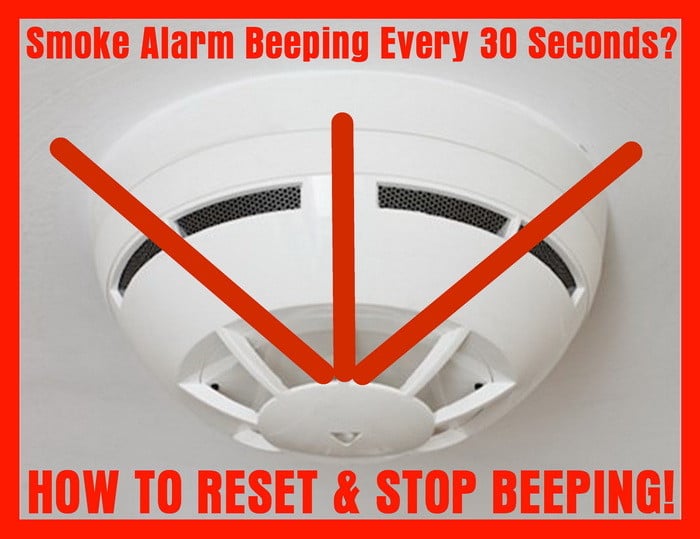
Why Does A Smoke Alarm Keep Chirping
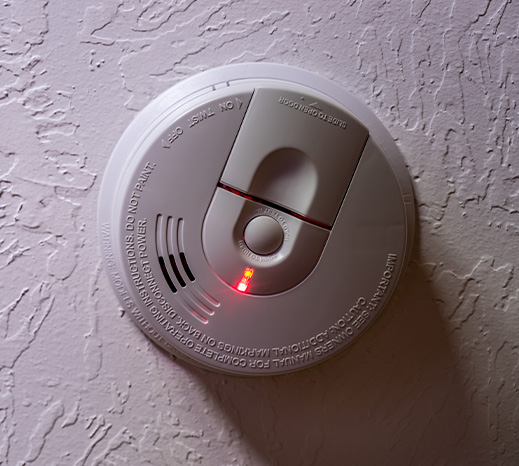
Picture this: It's 3 AM. You're deep in dreamland, probably fighting off a horde of marshmallows with a giant spatula, when suddenly… beep… a pause… beep. Your eyes snap open. What was that? You try to ignore it, pulling the pillow over your head. But no, the rhythmic, soul-sucking chirp continues, slicing through the blissful silence of the night. You lie there for what feels like an eternity, debating if it's a ghost, a lost bird, or perhaps your own sanity finally giving up the ghost. Then it hits you: the smoke alarm.
Ah, the dreaded smoke alarm chirp. It's not the full-blown, ear-splitting scream of a fire alarm, but a subtle, insistent little nudge that says, "Hey, I'm here, and I have something to tell you, but I'm going to do it in the most annoying way possible." It’s a classic home mystery, isn't it? The kind that makes you want to rip the offending device from the ceiling, even if it means risking actual smoke inhalation later. But before you resort to such drastic measures, let's unravel this nocturnal nuisance. Because, trust me, it’s usually for a few very good, albeit irritating, reasons.
The Usual Suspect: Low Battery Alert!
Let’s start with the most common offender, the one that probably plagues 90% of midnight chirpers: a low battery. Your smoke alarm isn't just a fancy fire detector; it's also a tiny, passive-aggressive battery monitor. When its little power cell starts to drain, it lets out those intermittent chirps as a desperate plea for juice. Think of it as its way of saying, "I'm running on fumes here, folks! My vigilance is waning!"
Must Read
This is usually a 9-volt battery – that small, rectangular block that always seems to disappear when you need one. It's a critical, life-saving warning, even if it feels like a personal attack at 3 AM. The alarm isn't broken; it's just doing its job, telling you it might not have enough power to sound the real alarm if a fire breaks out. So, before you do anything else, grab a ladder and swap out that battery. It’s often a quick fix, and trust me, the silence afterwards is golden.
The Silent Killer (of Sleep): End-of-Life Chirp
Here’s one that often catches people off guard: smoke alarms have an expiration date. Yes, just like milk or that questionable yogurt in the back of your fridge, these vital devices don't last forever. Most manufacturers recommend replacing smoke alarms every ten years. As they approach their decade mark, the internal components can start to degrade, making them less effective. To warn you of their impending retirement, they might start chirping intermittently. It’s their polite (but still annoying) way of saying, "My watch is almost over, human. Time for a fresh recruit!"

You can usually find the manufacturing date printed on the back of the alarm. If it's pushing ten years or more, even a fresh battery won't silence its end-of-life lament. It's time for a replacement. Think of it as an upgrade – better technology, potentially smarter sensors, and definitely a better night's sleep for the next decade.
The Environmental Gremlins: Dust, Humidity & More
Sometimes, your smoke alarm is just being a little… too sensitive. These devices are designed to detect microscopic particles in the air. Unfortunately, they can sometimes get confused by things that aren't actually smoke. Ever notice a chirp after a particularly steamy shower or while cooking up a storm in the kitchen? That’s because excessive humidity or steam can sometimes trick the sensor into thinking there’s a problem. Hot steam is, after all, a form of aerosol.
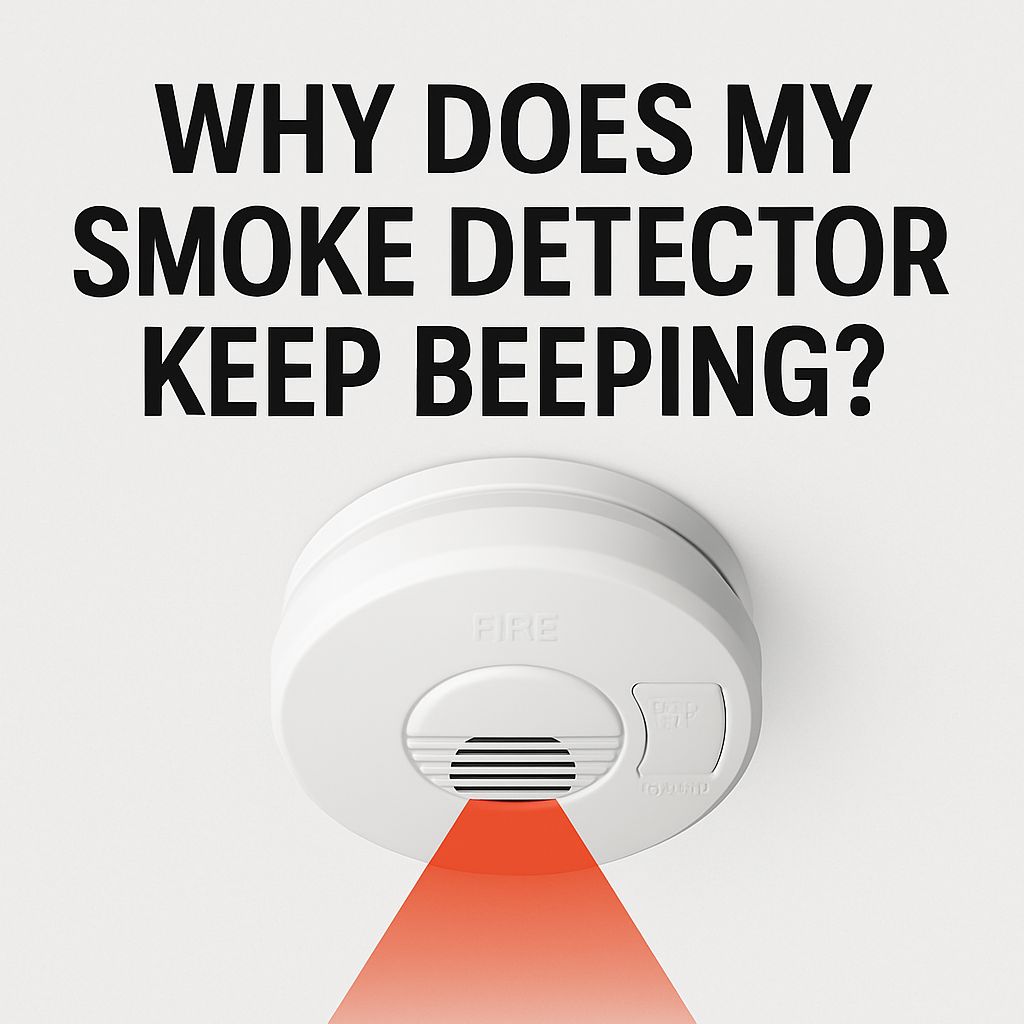
Another common culprit is dust and debris. Over time, dust bunnies and other airborne particles can accumulate inside the alarm's sensing chamber. This build-up can block the sensor's optical path or interfere with its ionization chamber, causing it to trigger false alarms or, you guessed it, that maddening chirp. A quick clean with a vacuum cleaner nozzle or a can of compressed air can often resolve this. Just remember to be gentle! And sometimes, extreme temperature fluctuations can also confuse them. It's like they're having a tiny, internal tantrum.
When All Else Fails: Malfunction
Occasionally, you've done everything right: new battery, checked the date, cleaned the dust, moved it away from the bathroom. And yet, the chirping persists. In rare cases, your smoke alarm might simply be malfunctioning or faulty. Electronic devices aren't infallible, and sometimes they just go bad. If you've exhausted all other options and the chirping continues, it's probably time to replace the unit entirely. Better safe than sorry, right?

How to Silence the Siren (and Keep Your Sanity)
So, what's a tired human to do? Here’s your battle plan against the chirp:
- Change the Battery First: Seriously, it solves most problems. Do this before anything else.
- Check the Date: Look for the manufacturing date on the back. If it’s over 10 years old, it needs replacing.
- Clean It Up: Gently vacuum around the vents or use compressed air to clear out dust.
- Test It: After changing the battery, press the test button to ensure it’s working. Some alarms require you to hold it down for a few seconds to reset.
- Relocate if Necessary: If it's frequently chirping due to steam from a bathroom or cooking fumes, consider moving it slightly further away (but still in a safe, accessible location).
The Takeaway: Annoying but Important
While the incessant chirping of a smoke alarm can feel like a personal vendetta against your sleep schedule, remember its ultimate purpose: to keep you and your loved ones safe. That little beep, as irritating as it is, is a warning signal, telling you something needs attention. It’s an easy-to-fix problem that could prevent a much larger tragedy. So, next time you hear that familiar chirp, try to resist the urge to throw it out the window. Instead, grab your ladder, check those batteries, and appreciate that your tiny sentinel is just doing its job. Sleep tight, and may your smoke detectors remain silently vigilant!