Why Do They Name The Hurricanes
Have you ever been watching the news, heard about a faraway storm, and thought, "Huh, another hurricane named something like 'Gertrude' or 'Harold'?" It’s easy to just accept these names as part of the weather report, but have you ever stopped to wonder why they do it? It’s actually a really interesting bit of meteorology with a surprisingly practical purpose, and once you know the reason, you'll see how much sense it makes!
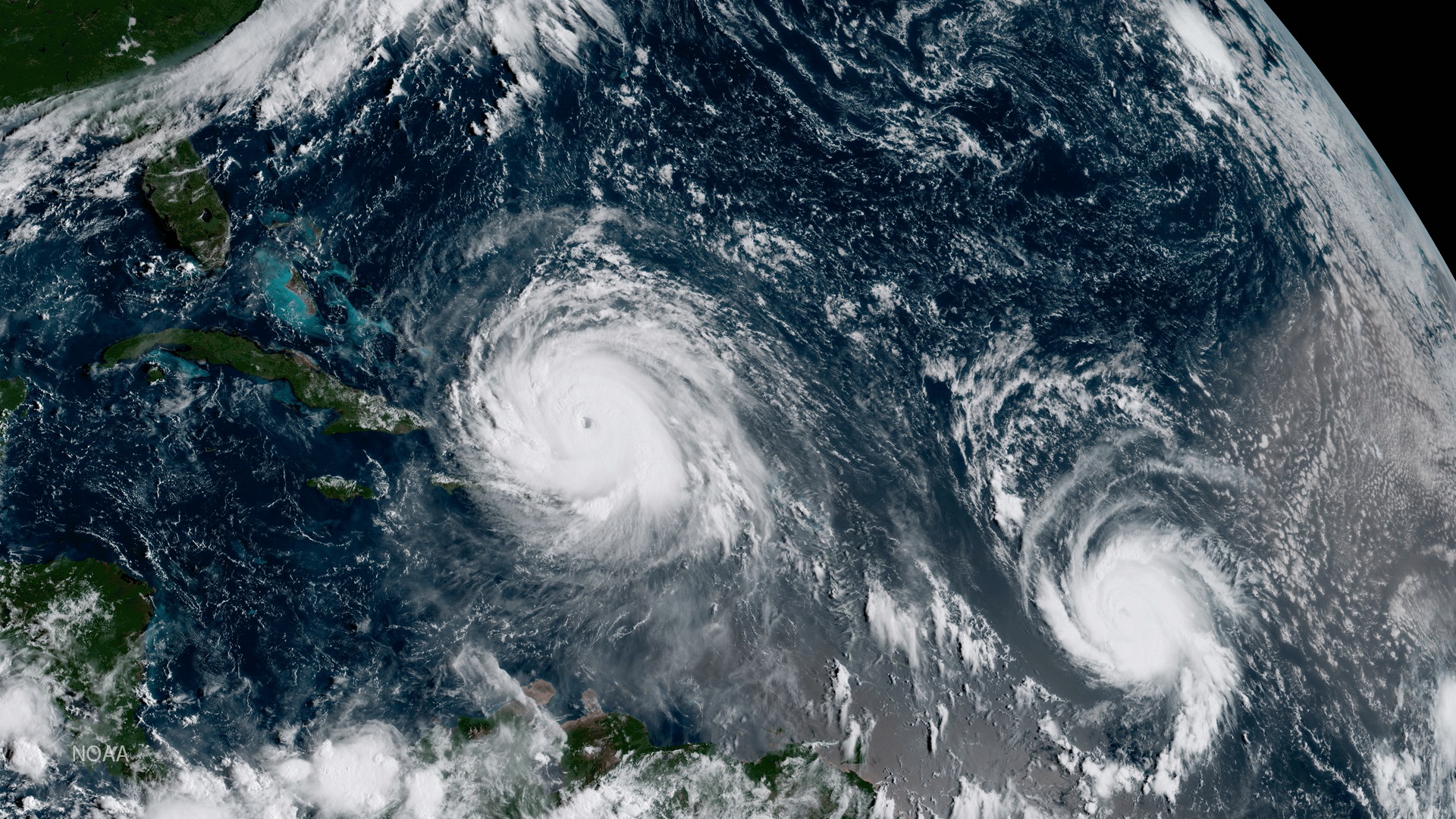
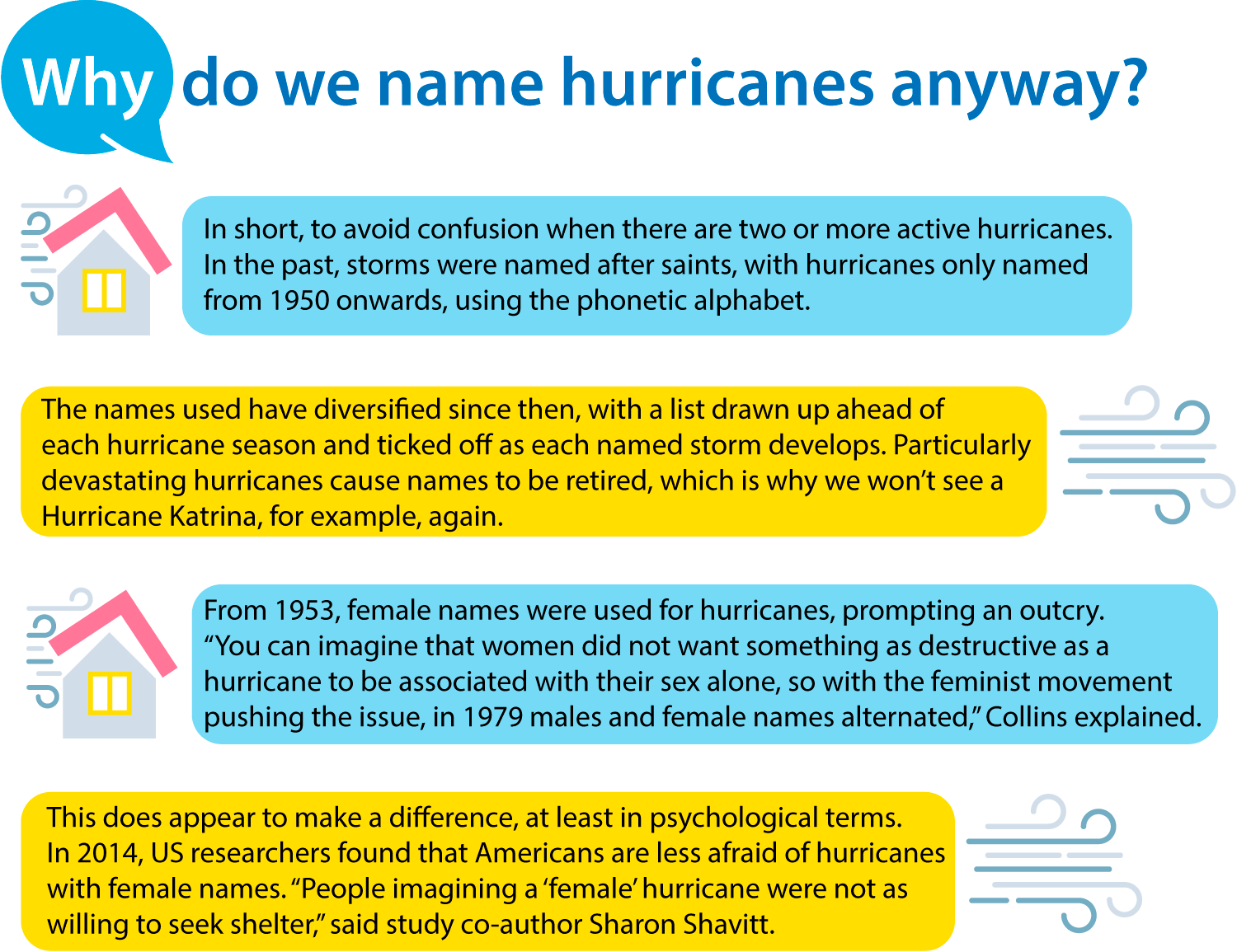
The core purpose behind naming hurricanes, tropical storms, and typhoons is incredibly simple yet profoundly important: to prevent confusion. Imagine if there were three tropical systems brewing in the Atlantic simultaneously. Without names, meteorologists, emergency services, and the public would have to refer to them by unwieldy numbers or complex latitude/longitude coordinates. "Tropical Storm 07-2023 at 20N 50W" is a mouthful and a recipe for mistakes when trying to differentiate it from "Tropical Storm 08-2023 at 15N 60W." Names like Hurricane Idalia or Tropical Storm Ophelia are far easier to remember, track, and communicate about.
The benefits extend far beyond mere convenience. Clear, unambiguous communication is absolutely vital for public safety. When a hurricane is named, it becomes a distinct entity that emergency responders can issue specific warnings about, news outlets can report on precisely, and the public can follow without mixing up one storm with another. This clarity helps people make informed decisions about evacuations, preparations, and when it's safe to return home. It also aids in historical record-keeping and scientific research, making it simpler to refer to and study specific storm events like Hurricane Katrina or Hurricane Sandy years later.
Must Read
In daily life, we see the impact of named storms everywhere. From local news anchors discussing the path of Hurricane Lee to families chatting about their preparedness plans for "the next big one," names integrate these powerful natural events into our conversations. In education, naming systems become an excellent teaching tool. Geography students can trace the historical paths of named storms and analyze their impacts, while meteorology students use these consistent identifiers to study storm formation, intensity changes, and forecasting accuracy. It makes complex atmospheric science more relatable and easier to grasp.
Want to explore this fascinating topic further? A great place to start is the World Meteorological Organization (WMO) website. They are responsible for maintaining and updating the official lists of hurricane names for various basins around the world. You’ll find rotating lists of names, and even learn that particularly devastating storms often have their names retired out of respect and to avoid insensitivity, meaning a name like Maria or Dorian will never be used again. You could also discuss with friends or family what names they remember most vividly and why. It’s a simple way to connect with the immense power of nature and the clever system we've developed to understand and communicate about it.