
Why Do I Sweat In Cold Weather
:max_bytes(150000):strip_icc()/Causes-and-treatment-of-cold-sweats-1298949-5b95e06946e0fb0025d8ebd5.png)
Okay, picture this: it’s a crisp winter day, the kind where your breath plumes like a dragon, and the very air feels like it’s been freshly laundered and hung out to dry. You’re bundled up, perhaps trudging through a picturesque snowy park, or maybe just making a dash from the warm car to the slightly-less-warm grocery store. And then… it happens.
A rogue trickle. A faint dampness on your back. You feel it. That unmistakable sensation of… sweat. In the cold. What fresh betrayal is this? Has your body decided to join a circus act, specializing in thermal paradoxes? Are you a walking, talking, utterly confused human radiator?
Fear not, my damp-backed friend! You’re not alone, and your body isn’t broken. In fact, it’s working overtime to keep you alive and delightfully toasty. It just has a slightly… enthusiastic approach to the job.
Must Read
The Body’s Internal Thermostat: A Very Strict Butler
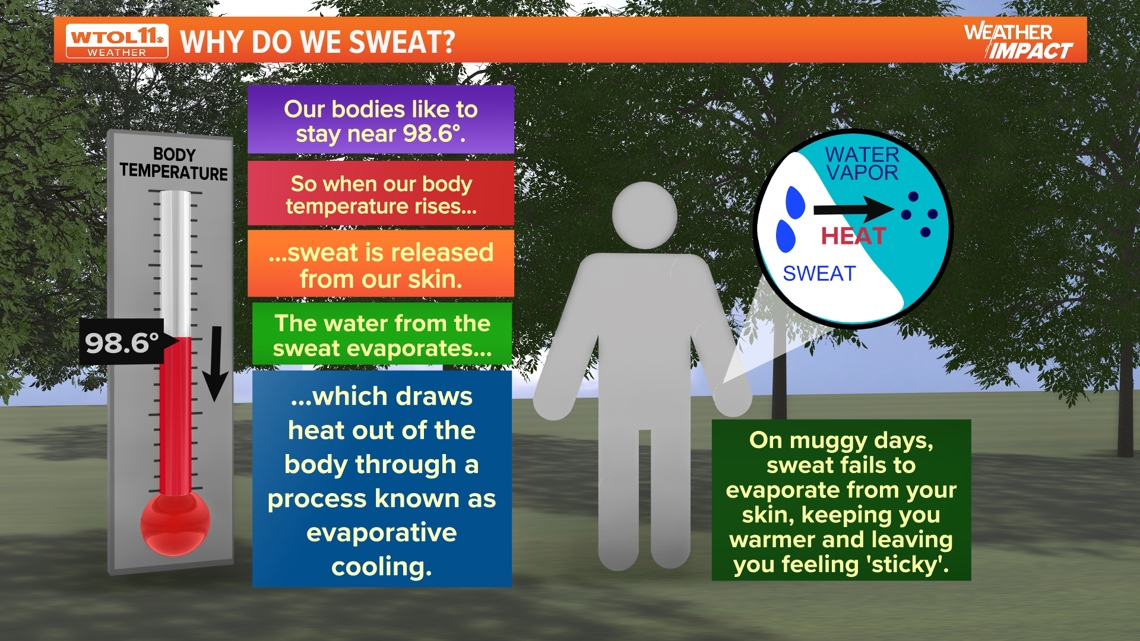
Your body is a marvel of engineering, and one of its prime directives is to maintain a core temperature of around 37 degrees Celsius (98.6°F). Think of it like a very particular butler for your internal furnace. This butler, known as your hypothalamus (a fancy word for a tiny but mighty part of your brain), is constantly monitoring your temperature, demanding absolute precision.
When it senses you’re getting too cold, it deploys warming tactics: shivering, vasoconstriction (narrowing blood vessels to keep heat in). But what about when it senses you’re getting too hot? Ah, that’s where the watery fun begins.

The Great Overheating Dilemma (Even in a Blizzard)
Here’s the rub: your hypothalamus doesn’t care if it’s snowing outside. If your internal temperature starts to creep up, it goes into full panic mode. Its primary weapon against overheating? You guessed it: sweating.
So, why would your internal temperature rise when it’s freezing? Simple. We humans are incredibly efficient heat-generating machines. Every time you move, every time you digest food, every time you even just think really hard, your body produces heat. It’s like a tiny, biological nuclear reactor that’s always humming along.
Now, add some layers to that reactor. A cozy sweater, a thick jacket, maybe a scarf that could double as a small blanket. You’ve just created a fantastic insulation system. Too fantastic, perhaps!
Your body is pumping out heat, but your carefully constructed fortress of fabric isn’t letting that heat escape efficiently. It’s like trying to cool a steaming mug of tea by putting a cozy on it. Suddenly, your internal butler is screaming, “Emergency! Core temperature rising! Deploy evaporative cooling!” And out comes the sweat.
The Physical Activity Factor: Running from a Yeti (or Just the Bus)
This phenomenon is especially common when you’re physically active. Shoveling snow, hiking, even just walking briskly to catch a bus (especially if you're slightly paranoid the driver didn't see you waving like a maniac) – all these activities dramatically increase your metabolic rate and, consequently, your heat production.

You might start feeling wonderfully warm and protected by your layers. But beneath that fleece-lined façade, your body is working up a serious internal lather. It’s a classic case of your body trying to be too helpful, like a well-meaning relative who insists on giving you a third helping of dessert when you’re already stuffed.
The Paradox of Cold Sweat: Your Hero Becomes Your Villain
Here’s the really sneaky part: when you sweat in cold weather, that moisture soaks into your clothing. And as soon as you stop being quite so active, or if a chilly breeze catches you, that sweat starts to evaporate.

Evaporation is a cooling process. That’s why we sweat in the first place! But in cold conditions, this cooling can turn from a helpful mechanism into a genuine problem. Suddenly, that dampness on your skin is making you feel far colder than if you hadn’t sweated at all. You’ve gone from feeling like a cozy marshmallow to a clammy, chilled human popsicle. It’s a plot twist worthy of a psychological thriller.
How to Outsmart Your Overzealous Body
So, what’s a perpetually warm-blooded, cold-weather enthusiast to do?
- Layer like a seasoned onion: The key is to wear multiple, thinner layers rather than one big, bulky one. This allows you to shed a layer or two when you start to heat up and put them back on when you cool down. Think of yourself as a highly adaptable fashionista.
- Wick it, don’t weep it: Opt for base layers made of moisture-wicking fabrics (like synthetic blends or merino wool). These materials pull sweat away from your skin, keeping you drier and thus warmer, even if your body insists on a spontaneous shower. Cotton is a no-go; it absorbs moisture and holds onto it like a grumpy cat to a sunbeam.
- Unzip and vent: Many jackets and outer layers have handy zippers and vents. Use them! Open up when you start to feel warm, and close up when you cool down. It’s like having adjustable air conditioning for your torso.
- Pre-empt the sweat: If you know you’re about to exert yourself (e.g., climbing a hill, power-walking to avoid eye contact with that neighborhood dog), take off a layer before you start to sweat. Your future self will thank you.
Ultimately, sweating in the cold is just another quirky testament to how wonderfully complex and responsive our bodies are. It's not trying to annoy you; it's simply trying to keep you perfectly, optimally 37 degrees Celsius, no matter what the grumpy weather outside is doing. So next time you feel that unexpected dampness, give your hypothalamus a silent nod of appreciation – then maybe unzip your jacket a little.