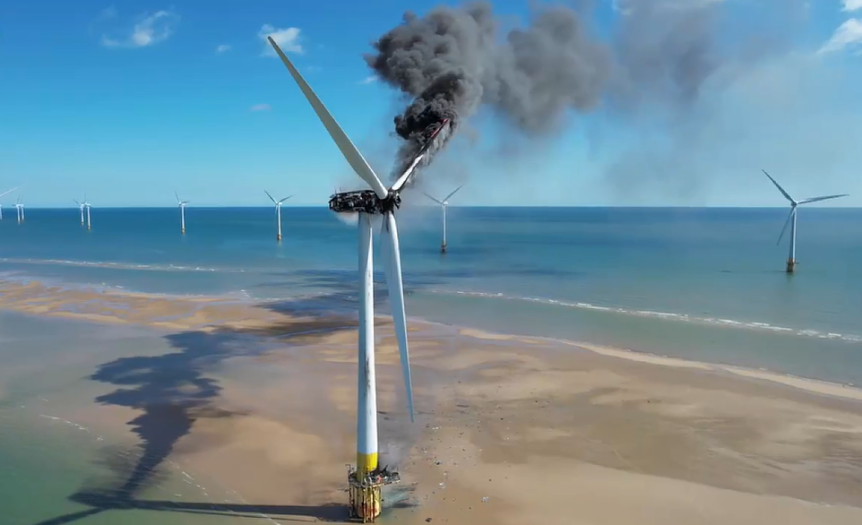
Why Are Wind Turbines Bad For The Environment
Wind turbines, those soaring sentinels of the sky, have become increasingly popular and visually striking elements in our landscapes. While they represent a move towards cleaner energy, and we often hear about their crucial role in combating climate change, it's also important to acknowledge and understand the potential environmental downsides. But fear not, this isn't a doom-and-gloom piece. Instead, let's explore some less-discussed aspects and understand the challenges alongside the benefits.
One area of concern often debated is the impact on wildlife, particularly birds and bats. Wind turbines, unfortunately, can pose a collision risk to these flying creatures. This is often cited as a major issue, but it's important to note that this is a complex area with ongoing research into mitigation strategies. Studies are constantly being conducted to better understand migratory patterns and develop technologies to deter birds and bats from entering turbine areas.
Another aspect to consider is the visual and noise impact. While many find the sight of wind turbines graceful and modern, others find them to be an eyesore that disrupts the natural landscape. The rhythmic whooshing sound they produce can also be a nuisance for those living nearby. These are valid concerns that need careful consideration during the planning and placement of wind farms. Siting decisions are really important.
Must Read
The manufacturing and disposal of wind turbine components also presents environmental challenges. The blades, in particular, are often made from composite materials that are difficult to recycle. As older turbines are decommissioned, finding sustainable ways to dispose of these blades is becoming a critical issue. Innovative solutions, such as repurposing the materials for other applications, are being explored.
Moreover, the land use requirements for wind farms can be significant, potentially impacting natural habitats. While the physical footprint of each turbine is relatively small, the overall area needed for a wind farm, including access roads and infrastructure, can be substantial. Careful planning and consideration of ecological sensitivities are crucial to minimize the impact on ecosystems.
It's also worth acknowledging the debate about efficiency and reliability. While wind energy is renewable, its availability is dependent on weather conditions. This intermittency necessitates the use of energy storage solutions or backup power sources to ensure a consistent electricity supply. The environmental impact of these alternative solutions needs to be factored into the overall assessment of wind energy's sustainability.

Finally, the construction of wind farms requires significant resources and energy, contributing to carbon emissions in the short term. While the long-term benefits of reduced reliance on fossil fuels outweigh these initial emissions, it's important to acknowledge and minimize the environmental impact throughout the entire lifecycle of a wind turbine.
In conclusion, while wind energy offers a promising pathway towards a cleaner future, it's crucial to acknowledge and address the potential environmental drawbacks. By understanding these challenges, we can work towards developing more sustainable solutions that minimize the impact on wildlife, landscapes, and resources. Informed decision-making and ongoing innovation are key to ensuring that wind energy truly lives up to its promise of a greener tomorrow.