
Why Are There So Many Hurricanes
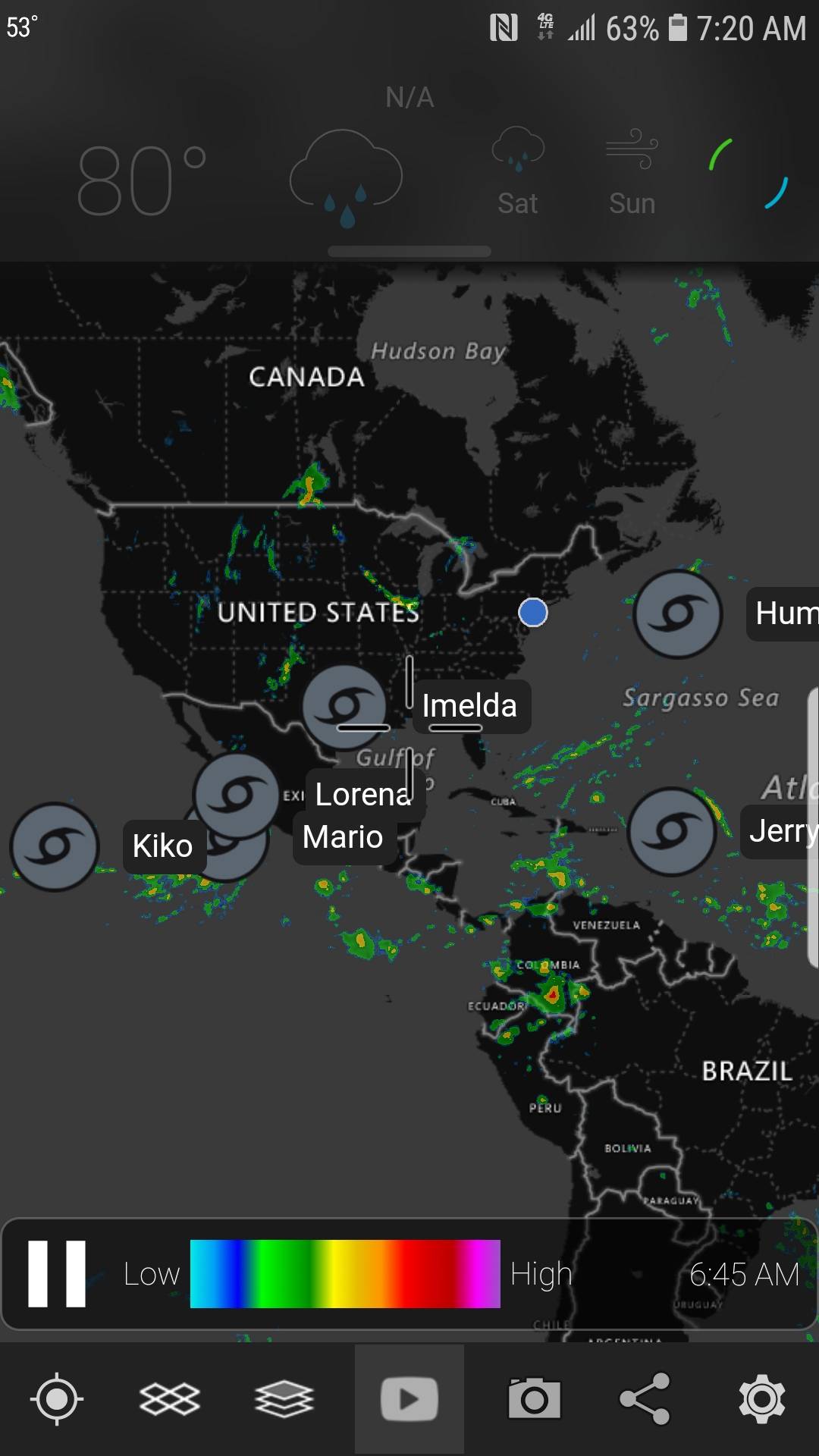
Ever wondered why some years feel like a conveyor belt for big storms? It's a question many folks ask, especially when the news keeps showing those powerful swirling images. It turns out, nature has a very special recipe for brewing these colossal weather systems, and sometimes, all the ingredients just align perfectly.
It's like a grand cosmic dance, where several powerful forces come together. Understanding these ingredients can make you truly appreciate the amazing power of our planet. Let's peek behind the curtain at what makes the hurricane season such a fascinating spectacle of nature's might.
The Ocean's Warm Embrace: The Ultimate Fuel Tank
Imagine the ocean as a giant, simmering hot tub. Hurricanes absolutely love warm water, especially when it's deep and stretches for miles. This isn't just any warm water; it's like a supercharged energy drink for a storm.
Must Read
When the ocean water gets warm enough, usually above 80 degrees Fahrenheit (26.5 Celsius), it starts evaporating like crazy. This creates massive amounts of moist, warm air that rises higher and higher into the atmosphere. This rising air is the fundamental engine that powers a hurricane.
Think of it this way: the warmer the water, the more fuel is available. It's like having an endless supply of gas for a very hungry, very powerful engine. Without this warm, deep ocean water, hurricanes simply can't get started or grow very strong.
Areas like the Caribbean Sea and the Gulf of Mexico are famous for these warm conditions. They become perfect incubators for developing storms. It’s like nature has set up dedicated hot spots just for this purpose.
The sheer vastness of these warm ocean areas provides an almost unlimited energy source. It’s not just a puddle; it’s an entire oceanic highway of warmth ready to be tapped. This abundance of energy is a primary reason we see so many storms forming and strengthening each year.
The Atmospheric Calm: A Smooth Stage for Growth
Hurricanes, for all their bluster, are actually quite delicate in their early stages. They need a calm environment in the atmosphere to really get their act together. This calm refers to something called wind shear.
Wind shear is basically when winds blow in different directions or at different speeds at various heights in the atmosphere. Imagine trying to build a tall, elaborate sandcastle while someone keeps blowing strong gusts from all sides. It would fall apart, right?
That's what strong wind shear does to a developing hurricane. It rips it apart, prevents it from getting its iconic organized shape, and basically decapitates the storm. It’s like a natural defense mechanism against hurricane formation.

But when wind shear is low, it’s a whole different story. The atmosphere becomes a smooth, stable stage where a storm can build straight up, tall and strong. It allows that warm, moist air to rise undisturbed, building towering thunderstorms that eventually merge into a powerful rotating system.
So, an absence of strong wind shear is actually a key ingredient for frequent hurricanes. It gives these systems the peaceful conditions they need to grow from a simple cloud cluster into a magnificent, swirling weather machine. It’s a quiet consent from the atmosphere for these storms to flourish.
"The atmosphere becomes a smooth, stable stage where a storm can build straight up, tall and strong."
This atmospheric stability, or lack of disruptive wind, is a crucial part of the hurricane puzzle. It creates a window of opportunity for these powerful systems to truly take shape. Without this calm, many potential storms would simply fizzle out before they even get going.
The Earth's Spin: Giving the Storm Its Signature Swirl
Have you ever noticed that hurricanes always spin? In the Northern Hemisphere, they spin counter-clockwise, and in the Southern Hemisphere, clockwise. This isn't just a random choice; it's thanks to something called the Coriolis effect.
The Coriolis effect is a fascinating force that comes from Earth's rotation. Because our planet is constantly spinning, any air moving across its surface gets deflected. This deflection is what gives hurricanes their distinctive, beautiful swirl.
Without the Coriolis effect, rising air would just go straight up and come straight down. There would be no magnificent, organized spiral that we recognize as a hurricane. It’s the Earth's spin that truly orchestrates this powerful ballet of air.
This effect is strongest further away from the equator. That's why hurricanes rarely form right on the equator itself. They need a little distance for the Earth's rotation to properly 'kick in' and start that impressive spin. It’s a subtle but absolutely essential ingredient in the hurricane recipe.

So, the next time you see that iconic swirl on a weather map, remember it's a direct result of our spinning planet. It's a constant, invisible force that plays a starring role in the formation of every single hurricane. It truly makes each storm a unique, rotational marvel.
The Seeds of Storms: Tropical Waves and Disturbances
Hurricanes don't just appear out of thin air. They usually start small, often as something called a tropical wave or a 'disturbance.' Think of these as tiny seeds or ripples in the atmosphere that have the potential to grow into something huge.
Many of the hurricanes that affect the Atlantic basin actually begin their journey as little clusters of thunderstorms off the coast of Africa. These disturbances then travel westward across the vast Atlantic Ocean, carried by trade winds. It's an epic journey across thousands of miles!
As these waves move, they sometimes encounter those perfect conditions we talked about: warm ocean water and low wind shear. When all these ingredients come together, that tiny seed can start to blossom into a powerful storm system.
It's like a chain reaction. A small atmospheric ripple gains strength from the warm ocean, gets organized by low wind shear, and then begins to spin thanks to the Coriolis effect. Each piece builds upon the last, leading to a potential hurricane.
The sheer number of these tropical waves that form each year provides plenty of opportunities for hurricane development. It’s a constant stream of potential storm starters crossing the ocean, waiting for their chance to grow into something truly spectacular.
The Perfect Timing: Hurricane Season
Why do we talk about a "hurricane season"? It's because the conditions needed for these storms to form don't last all year round. There's a specific window when all those ingredients – warm water, low wind shear, and active tropical waves – consistently align.
For the Atlantic Ocean, hurricane season typically runs from June 1st to November 30th, with the peak usually occurring in August, September, and October. During these months, the sun has had enough time to really heat up the ocean waters to prime temperatures.
It’s also when the atmosphere generally becomes more favorable, with lower wind shear over the main development regions. All the pieces of nature's puzzle just slot into place during this period, making it the prime time for hurricane activity.
Outside of this season, it's much harder for hurricanes to get going. The waters are cooler, or the wind shear is too strong, preventing any potential storm from gaining momentum. It’s a clear example of nature’s perfect scheduling.
So, when you hear about hurricane season, it’s really just referring to this magical window. It’s when our planet creates the optimal environment for these incredibly powerful weather systems to come to life, year after year.
Vast Ocean Basins: Plenty of Room to Roam
Hurricanes need a lot of space to develop and grow. They are massive systems, often hundreds of miles wide. This is why they only form over large ocean basins like the Atlantic Ocean, the Pacific Ocean, and the Indian Ocean.
These vast expanses of water provide the uninterrupted journey a storm needs to mature. They can gather energy, organize their structure, and gain incredible strength without encountering land too quickly. Land, by the way, is a hurricane’s worst enemy; it quickly saps a storm of its power.
The sheer size of these basins means there's always plenty of "real estate" for multiple storms to develop at once. It's not uncommon to see several tropical systems churning across the ocean at the same time during peak season.

This extensive playground ensures that there are numerous spots where all the ingredients can converge. It means more opportunities for potential hurricanes to find their ideal growth environment. The bigger the ocean, the more chances for a storm to form and flourish.
The Climate Connection: Adding a Dash More Energy
While the basic reasons for hurricanes remain constant, there's growing scientific discussion about how our changing climate might influence their frequency and intensity. One key factor here circles back to our first point: warm ocean water.
As the planet warms, ocean temperatures are also rising. This means there's potentially even more warm water available, deeper and for longer periods. It's like giving nature an even bigger, warmer fuel tank for its powerful storm engine.
This doesn't necessarily mean vastly more named storms, but it could mean that the storms that do form have more energy to work with. More energy means they can potentially become stronger, faster, or last longer, making them even more remarkable displays of nature’s raw power.
So, while the fundamental recipe stays the same, global warming is essentially turning up the heat on the oven. It's an extra layer of complexity to an already fascinating natural phenomenon, making the study of these storms more important than ever.
So, why are there so many hurricanes? It’s truly a testament to a grand natural alignment. It’s a complex interplay of warm ocean waters, calm atmospheric conditions, the Earth’s constant spin, and an endless parade of atmospheric disturbances.
Each ingredient is crucial, and when they all come together, they create some of the most powerful and awe-inspiring spectacles on our planet. It's a reminder of how intricately connected all our natural systems truly are.
Understanding this intricate dance of elements makes these storms not just a weather event, but a profound demonstration of Earth's dynamic forces. It's a truly special insight into how our planet works, isn't it?