
Why Are There Not Alot Of Hydroelectric Cars

Hey everyone, ever wondered about something kind of...weird? We've got electric cars zooming around, and hybrid cars sipping gas, but where are all the hydroelectric cars? Sounds pretty sci-fi, right? Almost like a car that runs on water like a magical faucet on wheels! But hold on a sec... What's the real story? Let's dive in and find out!
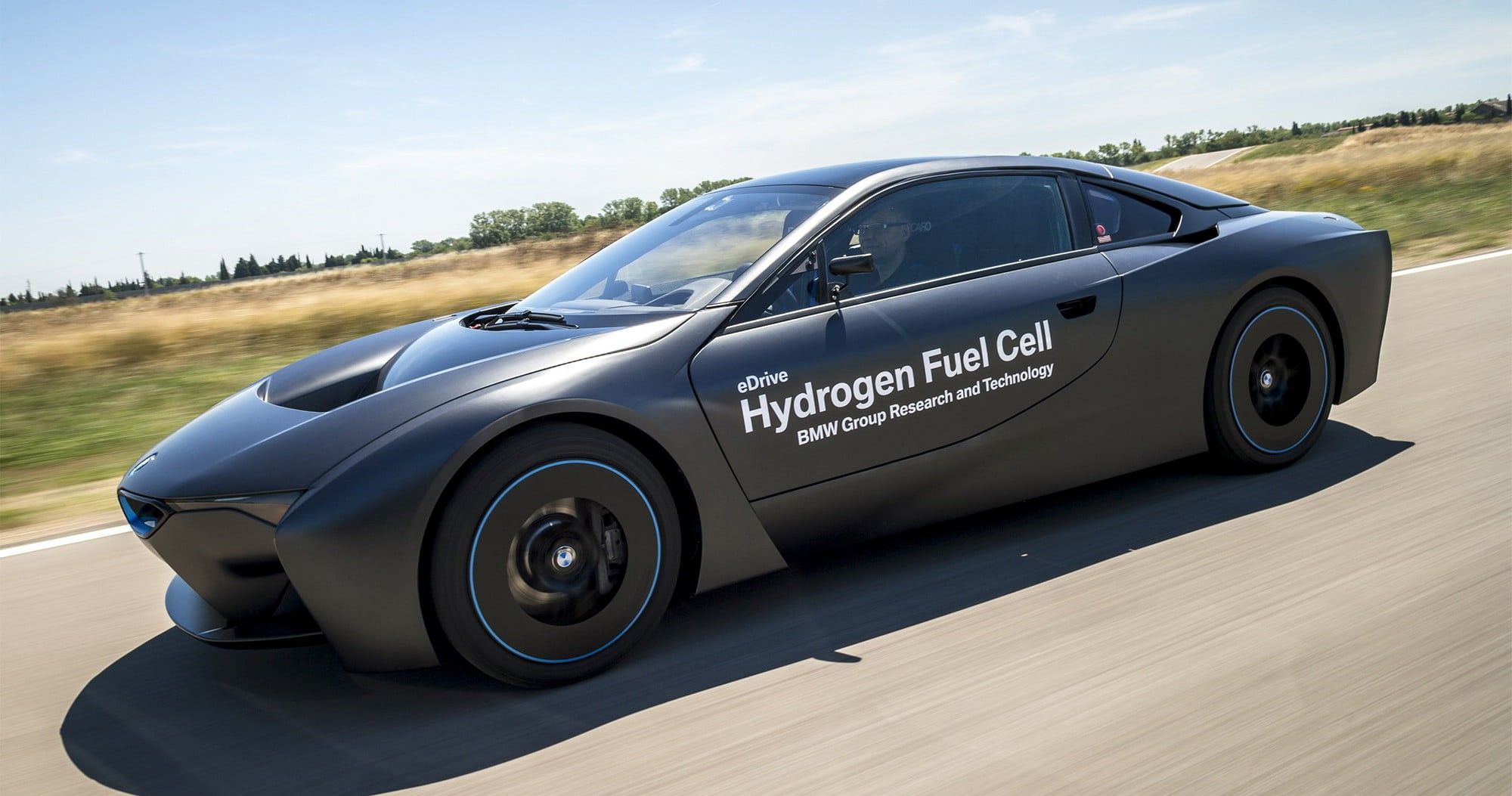
First things first, let's get something straight: a "hydroelectric" car, as in, one that directly uses water (H2O) to power the wheels, isn't really a thing. Not in the way you might think, at least. It's not like filling up your tank with bottled water at the gas station. Imagine that! Instead, when people talk about "hydroelectric" cars, they often mean cars that use hydrogen as fuel.
Hydrogen: The Star of the Show (Sort Of)
Okay, so hydrogen isn't exactly water, but it is a major component of water. Remember H2O from science class? Hydrogen's the "H2" part. The idea behind hydrogen fuel cell cars is that you can react hydrogen with oxygen from the air to create electricity. And guess what the byproduct is? Water! Pretty cool, huh? It's like a mini, clean energy factory on wheels.
Must Read
Think of it like this: gasoline cars burn fuel and release pollution. Hydrogen fuel cell cars "burn" hydrogen, release electricity to power the motor, and release pure water as exhaust. It's almost like the car is crying happy tears of cleanliness! So, why aren’t we all driving these amazing machines?
The Hydrogen Highway: Bumps in the Road
Here's where things get a little complicated. While hydrogen fuel cell cars are technically possible (and some exist!), they face some serious hurdles.

1. The Hydrogen Production Problem: Where does the hydrogen come from? Currently, a lot of hydrogen is produced using, ironically, fossil fuels. That kind of defeats the purpose, doesn't it? Think of it like baking a "healthy" cake... using a stick of butter. Renewable ways to create hydrogen, like using solar or wind power to split water molecules, are being developed, but they're not yet widespread or cheap enough.
2. The Infrastructure Issue: Imagine you buy a hydrogen fuel cell car. Great! Now, where do you fill it up? Hydrogen fueling stations are few and far between. It's like having a super fancy smartphone... but only one place in the entire state to charge it. Not very convenient, right? Building out a hydrogen infrastructure is expensive and requires a lot of planning and investment.

3. The Cost Factor: Hydrogen fuel cell cars are still pretty pricey. We're talking luxury car territory. It's like comparing a regular bike to a super fancy electric bike that costs as much as a small car. Most people would probably choose the regular bike (or a less expensive electric car) for now. Plus, the cost of hydrogen fuel itself can fluctuate. This price instability can be a real worry for potential buyers.
4. Efficiency Concerns: While hydrogen fuel cell cars are incredibly efficient on the road, the process of producing, transporting, and storing hydrogen is less efficient overall. It's like ordering pizza online: the pizza itself might be delicious, but all the delivery and preparation steps can add up to a higher total cost and carbon footprint compared to just making a sandwich at home.
So, What's the Verdict?
Are "hydroelectric" cars – or rather, hydrogen fuel cell cars – the future? Maybe! They definitely have the potential to be a clean and efficient transportation solution. But there are still some significant challenges to overcome before they become a mainstream option.
Think of it like this: electric cars had their own set of problems when they first came out. Limited range, long charging times, and a lack of charging stations were major concerns. But thanks to advancements in battery technology and the expansion of charging infrastructure, electric cars are becoming increasingly popular.
The same could happen with hydrogen fuel cell cars. As technology improves, production costs decrease, and infrastructure expands, they could become a more viable alternative to gasoline-powered vehicles. For now, the dream of a car that runs on water (sort of!) remains a fascinating possibility, waiting for the right combination of innovation and investment to make it a reality. Keep an eye on this space!
