
Why Are There Not A Lot Of Hydroelectric Cars

Hey there, future fuel fanatics! Ever daydreamed about a car that runs on water? I mean, who hasn't? The idea of ditching gas stations forever and just topping up your tank from the nearest river sounds like something straight out of a sci-fi flick. But hold on a second… why aren't hydroelectric cars (or, as some incorrectly call them, hydrogen cars that use water to create fuel) all the rage? Where's my water-powered DeLorean when I need it?
The "Hydro" Hype: Separating Fact from Fiction
First, let's clear something up. The term "hydroelectric car" is a bit misleading. Hydroelectric power, as you probably know, typically refers to generating electricity from the movement of water, like in a dam. We're talking about cars that would use water as their fuel source, and the scientific reality of that changes the question slightly.
Now, you might be thinking, "But I've seen videos online! I've read articles!" And you're right. There's a lot of buzz (and often misinformation) surrounding the idea of cars that use water as fuel. The core concept usually involves using electrolysis to split water (H2O) into hydrogen (H2) and oxygen (O2). The hydrogen is then used as fuel in a fuel cell, producing electricity to power the car. Sounds simple enough, right?
Must Read
Well, not so fast. There's a tiny catch, or rather, a monumental scientific challenge that keeps this dream from becoming a reality.
The Energy Equation: Why It's Not So Simple
Here's the big problem: Electrolysis requires energy. And it requires more energy to split the water than you get back when you burn the hydrogen in a fuel cell. Think of it like this: you're spending $100 to create something you can then sell for $80. Not exactly a winning business model, is it?

In essence, you're not creating energy; you're just converting it from one form to another, but losing a significant chunk in the process. It's like trying to fill a leaky bucket – you're constantly pouring water in, but you're losing more than you're gaining.
This isn't to say it's impossible. Science is constantly evolving! Perhaps someday we'll discover a super-efficient, cost-effective method of electrolysis that makes "hydroelectric" cars feasible. But as of now, it's just not there.
Hydrogen Fuel Cells: A Different Approach
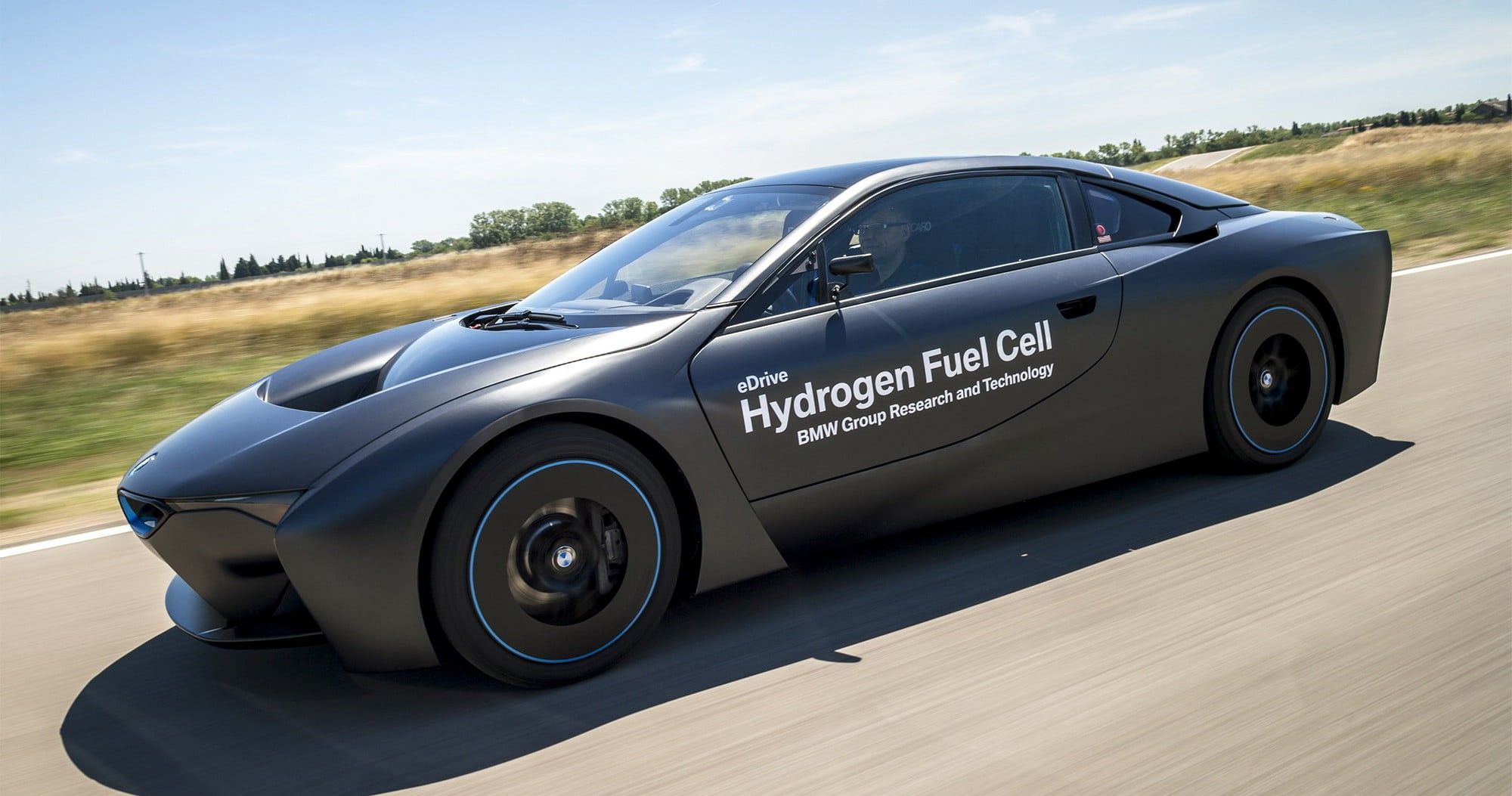
Okay, so maybe a car that directly uses water as fuel is a pipe dream (for now!). But what about hydrogen fuel cell cars? These are real, and they're on the road! They don't directly use water, but they do use hydrogen, which can be produced from water.

The way it works is hydrogen is stored in the car's fuel tank and fed into a fuel cell. The fuel cell combines the hydrogen with oxygen from the air, producing electricity and… wait for it… water! The electricity powers the car's electric motor, and the only emission is pure, clean water vapor. Pretty cool, huh?
The challenge here isn't the technology itself (fuel cells are pretty well-established), but rather the infrastructure for producing and distributing hydrogen. Building hydrogen refueling stations is expensive, and the process of producing hydrogen, while potentially clean, often relies on methods that still use fossil fuels. We need to make hydrogen production truly green to unlock its full potential.
Why This Matters and Why You Should Care
So, why should you even care about all this scientific mumbo jumbo? Because it's about the future of our planet! We're all looking for cleaner, more sustainable ways to power our lives, and understanding the science behind these technologies is crucial. Knowing the difference between what's real and what's hype empowers you to make informed decisions and support the innovations that truly make a difference.
Plus, let's be honest, it's just plain fascinating! The quest for clean energy is one of the most important and exciting challenges of our time, and you're part of the generation that will help solve it.
Don't stop asking questions. Don't stop exploring. Don't stop dreaming of a greener future. The world needs your curiosity and your passion. The path to sustainable transportation might be bumpy, but with a little bit of knowledge and a whole lot of enthusiasm, we can pave the way for a brighter, cleaner tomorrow. Go forth and research! You might be the one who discovers the next big breakthrough!
