Why Are Solar Panels Bad For The Environment
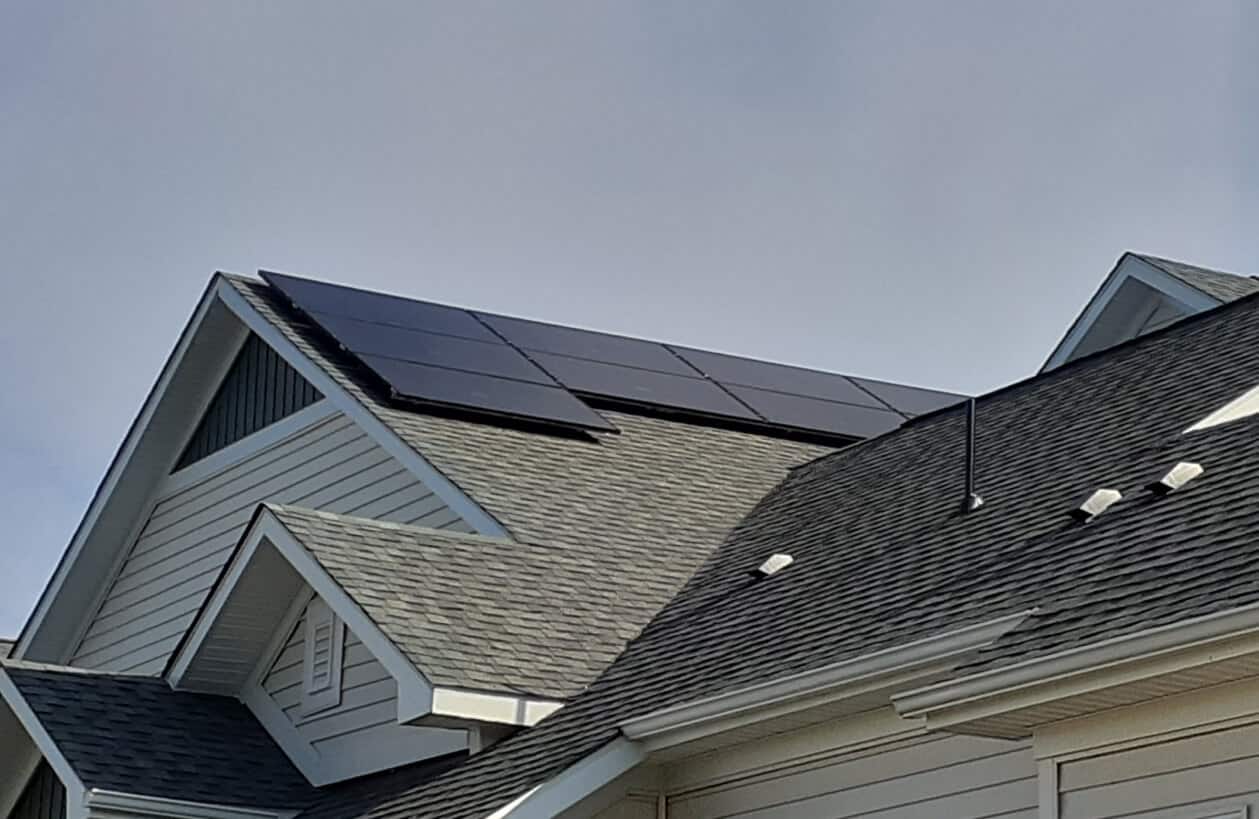
Solar panels! We see them everywhere these days, gleaming on rooftops and stretching across fields. They're the poster child for clean energy, right? Well, like most things in life, the picture isn't quite as black and white as it seems. Let's dive into the less sunny side of solar energy and explore why, surprisingly, solar panels can sometimes be bad for the environment. It's a fascinating topic because understanding the whole picture, warts and all, helps us make better, more informed choices about our energy future.
Why should you care? If you're just starting to think about renewable energy, knowing the potential downsides of solar will help you evaluate all your options more thoroughly. Maybe you're a family considering installing panels; understanding the environmental impacts will allow you to make a more responsible decision, perhaps by choosing a panel with a longer lifespan or supporting companies committed to recycling. And for the DIY enthusiast or hobbyist building a solar-powered shed, knowing the whole life cycle of a solar panel – from manufacture to disposal – is crucial for minimizing your environmental footprint.
So, where's the rub? It boils down to a few key areas. Firstly, the manufacturing process. Creating solar panels is surprisingly energy-intensive. It requires rare earth minerals and involves processes that can release greenhouse gases. Think of it like baking a cake; you need ingredients and energy to run the oven. The 'ingredients' for solar panels involve mining and processing, which can have significant environmental consequences. For example, the mining of silicon, a key component, can disrupt landscapes and ecosystems.
Must Read
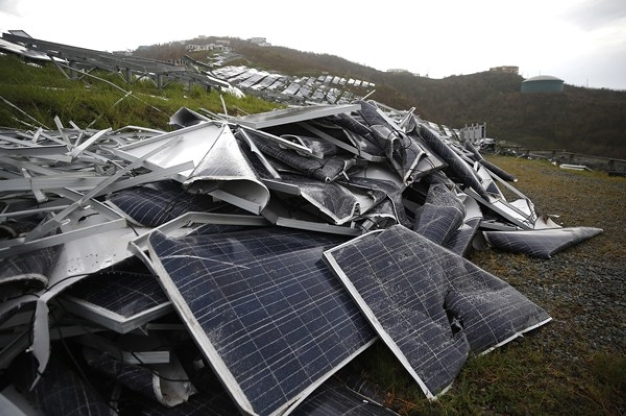
Secondly, there's the issue of waste and recycling. Solar panels don't last forever. After 25-30 years, their efficiency drops, and they need to be replaced. But what happens to the old panels? Unfortunately, recycling solar panels is a complex and expensive process, and a lot of them end up in landfills. This poses a problem because solar panels contain toxic materials like lead and cadmium, which can leach into the soil and water. Imagine throwing your old phone away without thinking about where it will end up – solar panel disposal is similar, but on a much larger scale.
Another factor to consider is the land use. Large-scale solar farms require significant areas of land, which can lead to habitat loss and deforestation. While this is often offset by the clean energy produced, it's a crucial factor to weigh. A good example is comparing rooftop solar to ground-mounted solar. Rooftop solar utilizes existing space, while ground-mounted solar requires clearing land.
What can you do about it? Here are some simple, practical tips:
- Choose panels with a longer lifespan. The longer a panel lasts, the less frequently it needs to be replaced.
- Support companies committed to responsible recycling. Look for manufacturers that have take-back programs or partner with recycling facilities.
- Consider smaller-scale solutions. If you don't need a huge solar array, opt for a smaller system to minimize land use.
- Advocate for better recycling infrastructure. Urge your local and national governments to invest in solar panel recycling programs.
Understanding the full environmental impact of solar panels, both the good and the bad, is essential for making informed decisions. While solar energy offers a cleaner alternative to fossil fuels, it's not a perfect solution. By being aware of the potential downsides and taking steps to mitigate them, we can ensure that solar energy truly contributes to a sustainable future. Exploring these nuances makes understanding our energy choices more engaging and empowers us to be more environmentally conscious consumers.
![Environmental Impact of Solar Energy [Positive/Negative]](https://www.electricrate.com/wp-content/uploads/2021/09/solar-panels-and-the-environment.jpg)