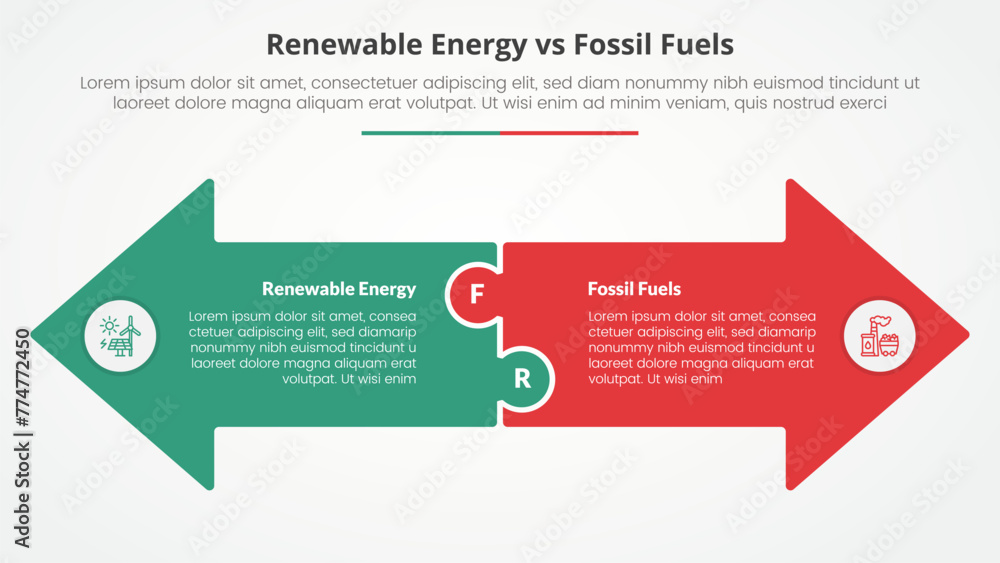
Why Are Fossil Fuels Non Renewable Energy Sources

Hey! Grab a refill, because we're diving into a topic that's, well, kinda heavy. We're talking about fossil fuels. Specifically, why they're considered non-renewable. So, what's the deal?
Okay, picture this: millions of years ago, way before TikTok dances and avocado toast, there were swamps. Like, serious swamps. Filled with plants and critters living their best swampy lives. When they died (as all living things do, sad trombone), they didn't just vanish. Nope! They sunk to the bottom.
Over time, layers and layers of sediment (that’s fancy for mud and dirt, basically) piled on top. All that weight and pressure? It's like being at the bottom of a mosh pit, only for millions of years. Eventually, all that squishing turned them into… wait for it… fossil fuels! Coal, oil, natural gas – the whole gang.
Must Read
So, what are fossil fuels exactly? Think of them as ancient sunlight, stored underground. Plants used photosynthesis (remember that from science class?) to turn sunlight into energy. That energy is still locked up in those dead plants and animals. Pretty cool, right? Except…
Here’s the catch, the giant, prehistoric-sized catch: this process took millions and millions (did I mention millions?) of years. We're talking timescales that make your grandma’s stories seem short and sweet.
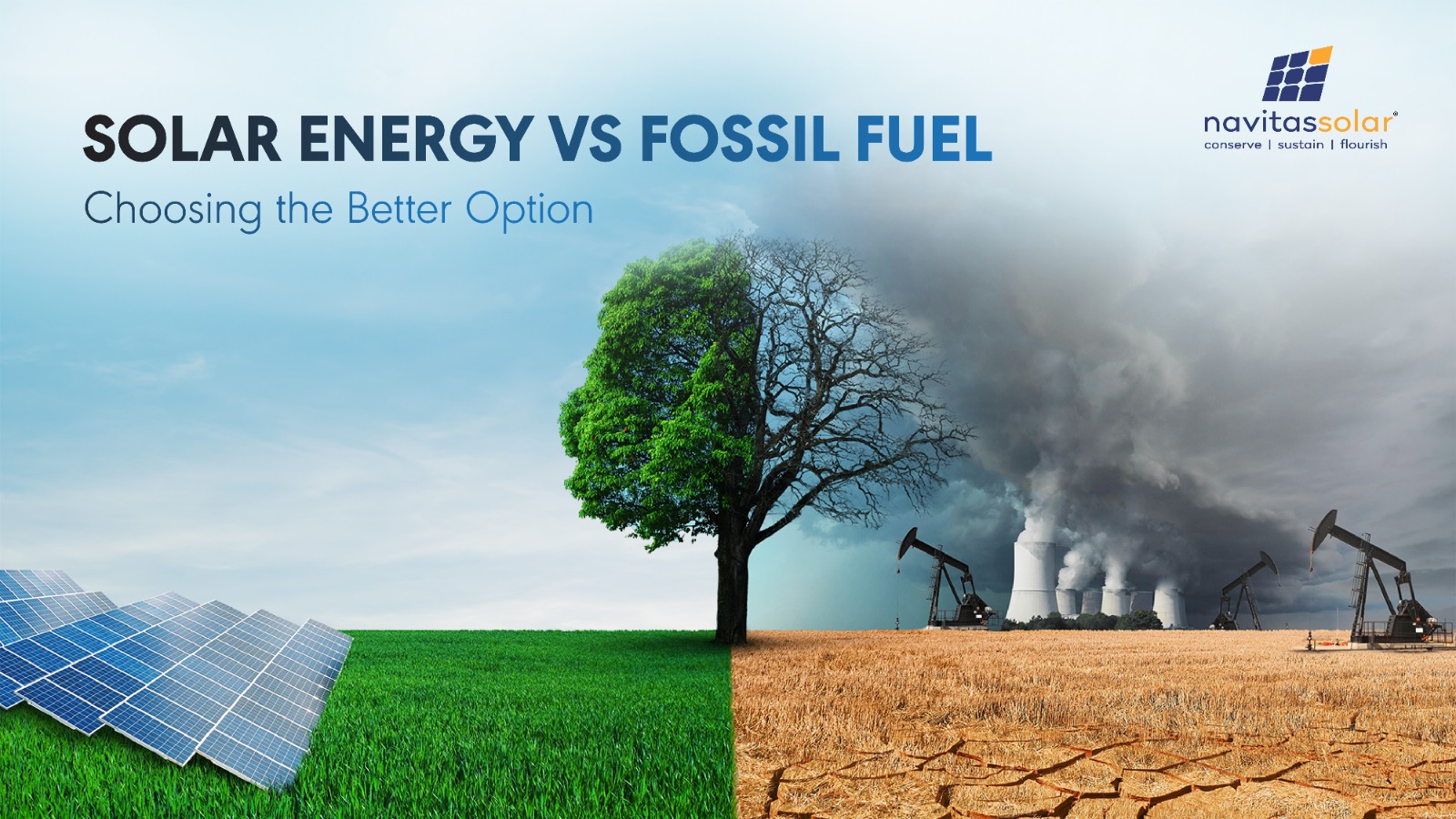
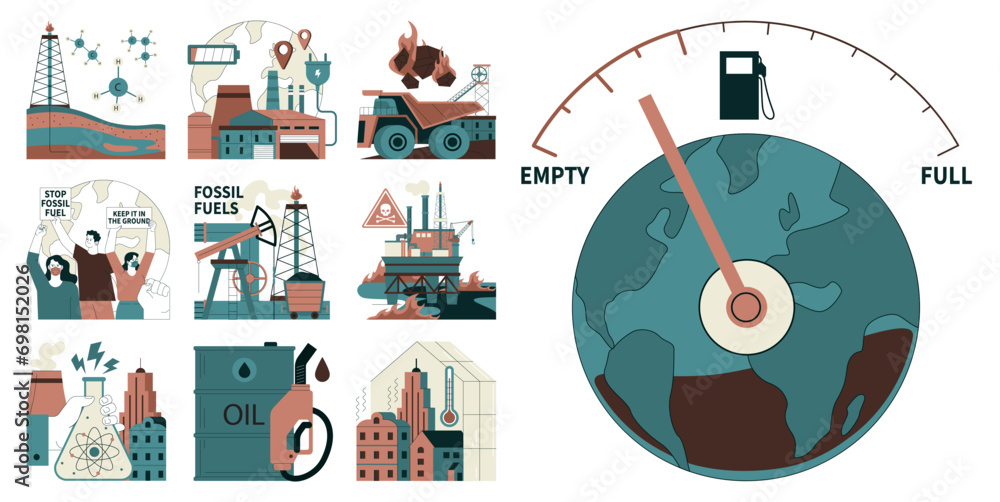
And here's where the 'non-renewable' part kicks in. We're using these fuels way faster than they can be replenished. It's like raiding a giant, ancient energy bank, and the bank teller (Mother Nature) is saying, "Whoa, slow down! I can't make more that fast!"
Think of it like this: imagine you have a HUGE, delicious cake. This cake took your grandma 100 years to bake. Now, imagine you and all your friends devour that cake in one day. Delicious? Absolutely! But can you ask Grandma to bake another one tomorrow? Nope! It’ll take another century. Fossil fuels are kinda like that cake. Except instead of a century, it's millions of years.
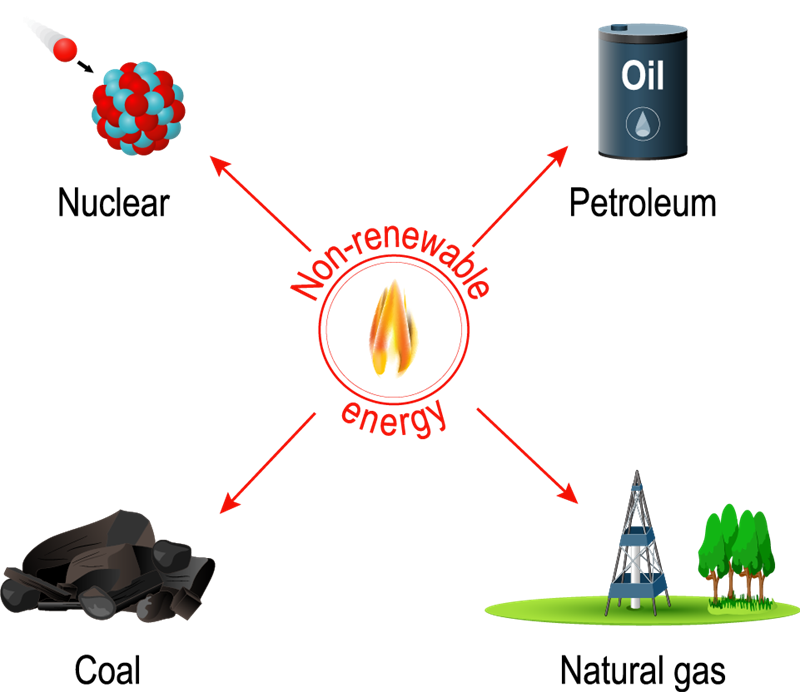
Burning fossil fuels releases that stored energy, which is great for powering our cars, heating our homes, and keeping the lights on. But there's a downside. Big surprise, right? Burning them releases greenhouse gasses into the atmosphere. You know, those gasses that are contributing to climate change? Awkward.
So, even if, by some magical, time-bending twist of fate, all the plants and critters of today turned into fossil fuels tomorrow, it still wouldn't be enough to keep up with our current demand. We're burning through them faster than nature can make 'em. That's the bottom line. Case closed. Jury dismissed. You get the picture!
Alternative energy sources, like solar, wind, and hydro, are called renewable because they can be replenished relatively quickly (or are constantly available). The sun keeps shining, the wind keeps blowing, and water keeps flowing. It's like having an endless supply of energy-generating ingredients. Now, isn't that a comforting thought?
So, next time you flip a light switch, or fill up your car, take a moment to think about those ancient swamps and the millions of years it took to create the fuel you're using. And maybe consider grabbing a bike or planting a tree. Every little bit helps, right?
And that’s the story of why fossil fuels are non-renewable in a nutshell (or maybe a swamp shell?). Now, who wants more coffee?