Why Are Fossil Fuels A Nonrenewable Resource

Ever wondered why we hear so much about switching to renewable energy? A big reason is because of the fuels we use now – fossil fuels. But what makes them so special, and why are they constantly described as "nonrenewable"? Let's dive in and unravel this fundamental aspect of our energy landscape – it's more interesting than you might think!
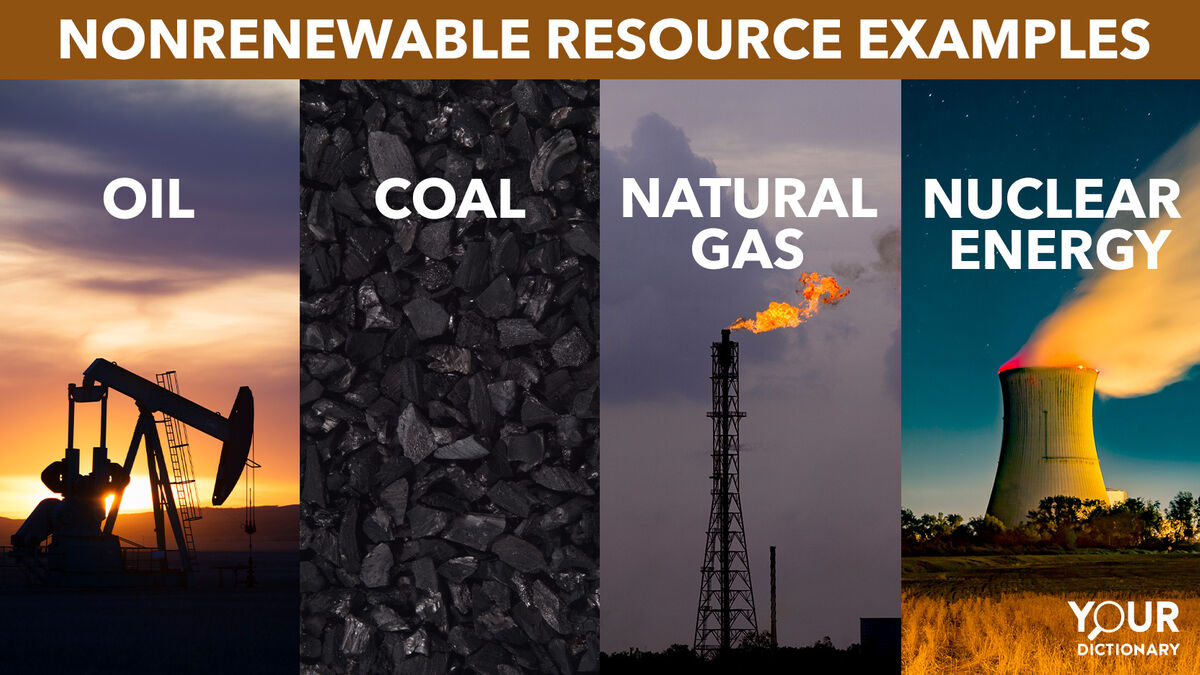
Fossil fuels, like coal, oil (petroleum), and natural gas, are essentially stored solar energy. Think of it: millions of years ago, plants and animals thrived on Earth, soaking up sunlight. When they died, their remains accumulated over time, buried under layers of sediment. Intense pressure and heat, acting over geological timescales, transformed this organic matter into the concentrated energy sources we use today. So, in essence, we're burning ancient sunlight!
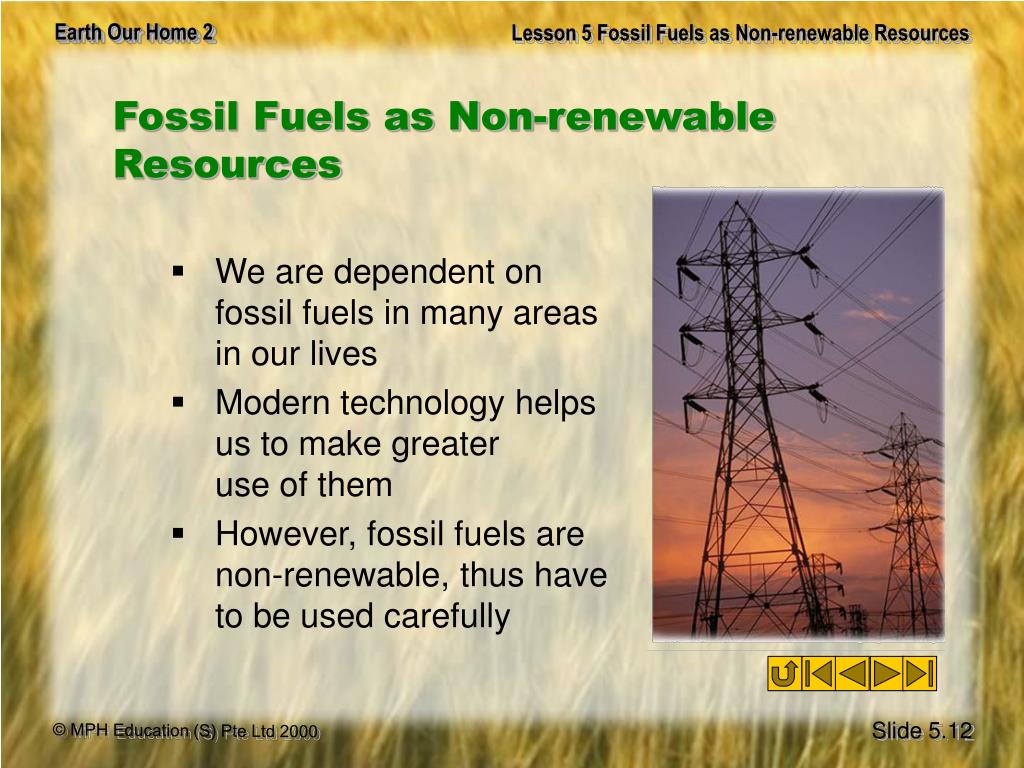
For centuries, fossil fuels have been the workhorses of our modern world. Their primary purpose is to provide energy. We burn them to generate electricity in power plants, which then lights up our homes, powers our factories, and keeps our devices running. Oil is refined into gasoline, diesel, and jet fuel, which powers our cars, trucks, ships, and airplanes. Natural gas is used for heating homes, cooking food, and even as a raw material in the production of plastics and other chemicals. The benefits are clear: abundant, relatively cheap energy that has fueled incredible economic and technological growth.
Must Read
You encounter fossil fuels and their products every single day. Think about the plastic pen you use in class – it likely originated from petroleum. The school bus that takes you to school runs on diesel, refined from crude oil. Even the electricity powering the lights in your classroom probably comes, at least in part, from a power plant that burns coal or natural gas. In your daily life, consider the energy used to heat your home or cook your meals. Odds are, it involves fossil fuels in some way.
But here's the catch: the process of creating fossil fuels takes millions of years. We're using them up at a rate far faster than they can be replenished. That's why they are considered nonrenewable. Imagine a giant, incredibly slow-motion recipe. We’re gobbling up the finished dish much faster than the ingredients can even begin to combine. Once we've extracted and burned these fuels, they're gone, at least on any timescale that matters to human civilization.
So, how can you explore this further? It's easier than you think! Try researching the energy sources used in your community. Look at your electricity bill – where does your power come from? Visit a local science museum and explore exhibits on energy production and fossil fuels. Watch documentaries about the impact of energy consumption on the environment. You can even start a conversation with your family and friends about ways to conserve energy and reduce your reliance on fossil fuels. The more you learn, the more you can appreciate the importance of transitioning to more sustainable energy sources.