Why Are Alloys More Useful Than Pure Metals

Imagine a world where everything was made of... well, just one thing. Like, everything is pure, unadulterated gold. Sounds fancy, right? Think again! While a golden toilet seat might make for an interesting conversation starter (and a hefty plumbing bill!), it wouldn't actually be very practical. That's because, in most cases, alloys – those awesome metal mixes – totally trounce their pure metal counterparts when it comes to usefulness. Let's dive in and see why!
Strength in Numbers (…of Metals!)
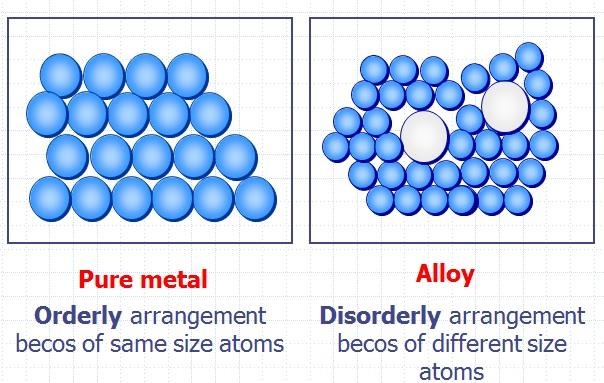
Pure metals, bless their hearts, often have a fatal flaw: they're kinda wimpy. Think of pure iron. It's relatively soft and rusts faster than you can say "oxidation." Now, introduce it to a little carbon, a dash of other elements, and BAM! You've got steel, the backbone of skyscrapers, bridges, and even your favorite kitchen knives. Steel is way stronger and tougher than pure iron ever dreamed of being. It's like the iron went to the gym, ate its spinach, and came back a superhero thanks to its new alloy buddies!
No More Mr. Nice Guy (or Girl)!
It's not just about brute strength, either. Many pure metals are easily bent out of shape. Think about pure aluminum. It's light and all, perfect for wrapping leftovers, but try building a plane out of it in its purest form. You'd end up with a crumpled, expensive mess! Airplane manufacturers use aluminum alloys, mixing it with things like copper and magnesium. This makes the metal much more resistant to bending and breaking, crucial for keeping those metal birds soaring through the sky.
Must Read
Rust Never Sleeps (Unless You Have Alloys!)
Corrosion, that relentless enemy of metal, is another area where alloys shine. Remember our pure iron friend? Rust is its kryptonite! But by alloying iron with chromium, we get stainless steel. Suddenly, our metal is protected by a microscopic layer of chromium oxide that prevents further corrosion. It's like giving your metal a tiny, invisible force field! This is why our sinks, cutlery, and even some surgical instruments are made of stainless steel. Because nobody wants a rusty scalpel!

Alloys: The Chameleons of the Metal World
Alloys are also masters of disguise! By changing the recipe – the amounts and types of metals added – we can tailor the properties of an alloy to exactly what we need. Need something super strong but also lightweight? There's an alloy for that! Need something that can withstand extreme temperatures? Yep, there's an alloy for that too! They're like the chameleons of the metal world, adapting to any situation with impressive ease.
Examples That Rock!
Let’s drop some more everyday examples, and remember this is just the tip of the iceberg:

- Brass (copper and zinc): Used in musical instruments like trumpets because it's easy to work with and has excellent acoustic properties. Imagine a trumpet made of pure copper... it probably wouldn't sound very good!
- Bronze (copper and tin): Historically used for tools and weapons due to its strength and corrosion resistance. It's also used for sculptures and bearings.
- Solder (tin and lead, often with other metals): Used to join electrical components together, because it melts at a relatively low temperature and creates a strong, conductive bond.
In short, alloys are the unsung heroes of modern life. They're stronger, tougher, more resistant to corrosion, and more versatile than pure metals could ever dream of being. Next time you see a skyscraper, a plane, or even just a stainless steel spoon, remember the amazing power of metal mixing!
"Alloys: Because sometimes, two (or more!) metals are better than one." - A Very Smart Metallurgist (Probably)
So, let's give a big round of applause for alloys, the metal mashups that make our world a stronger, safer, and more interesting place! And maybe, just maybe, let's rethink that solid gold toilet seat. Unless, of course, you're trying to make a statement… a very, very heavy statement!