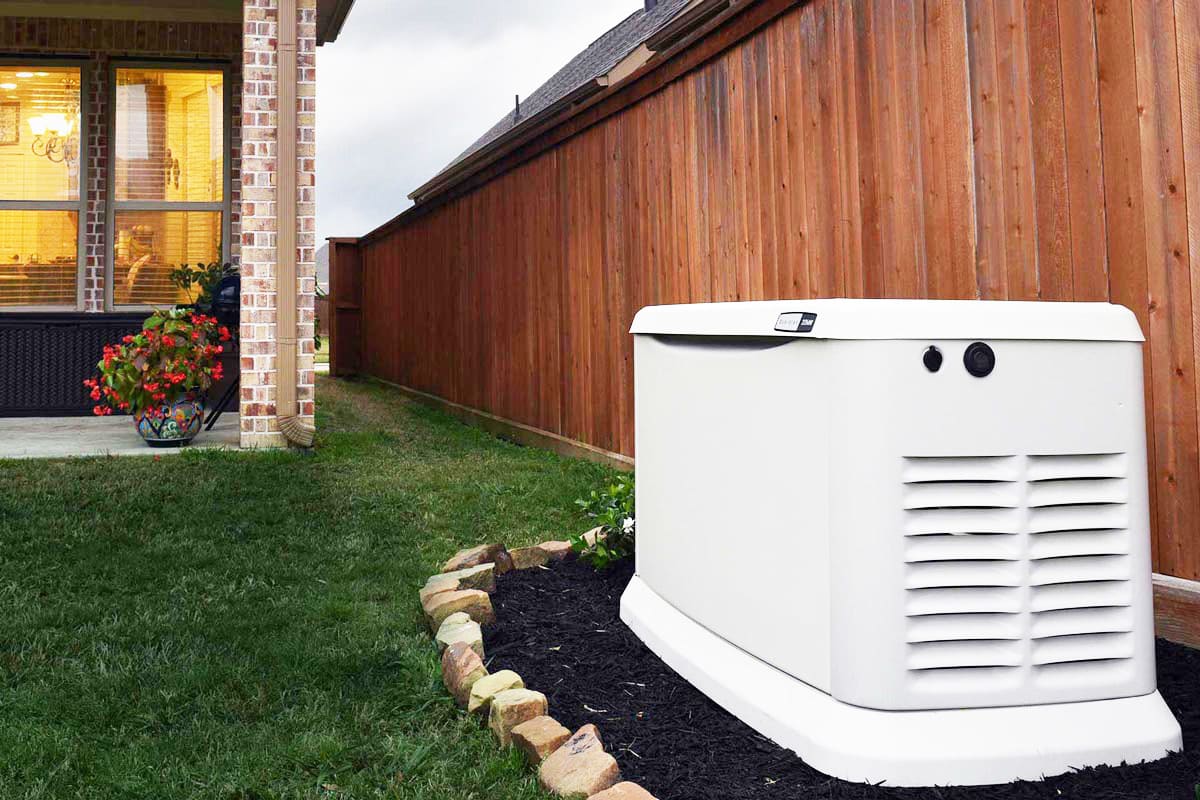
Whole House Standby Generator Installation Cost
So, you're thinking about getting a whole house standby generator? That's fantastic! It's like having a superhero on call, ready to swoop in and save the day when the power company takes a nap. But before you start picturing yourself sipping iced tea during the next blackout, let's talk about the elephant in the room: the cost. It's a bit like buying a really, really good pizza – lots of toppings, delivered right to your door, but definitely not a five-dollar special.
Now, I'm not going to bore you with a bunch of technical jargon. Let's just say the price tag for installing a whole house generator can vary more wildly than my uncle's dance moves at a wedding. We're talking a range, folks. A range that stretches from "Okay, that's manageable" to "Whoa, maybe I'll just invest in a really good camping stove instead."
The Generator Itself: The Heart of the Matter
First off, you have the generator itself. Think of this as the engine of your power independence. The size and power of the generator will heavily influence the price. A smaller unit that powers only essential appliances (lights, fridge, maybe the TV so you don't miss the latest episode of your favorite show) will obviously be cheaper than a behemoth capable of running your entire McMansion, including the heated driveway and the jacuzzi.
Must Read
It's like choosing between a compact car and a monster truck. Both get you from point A to point B, but one is a bit more... excessive. Talk to a qualified electrician about your specific needs. They'll help you figure out exactly how much power you actually need. Don't just assume you need the biggest, baddest generator on the market. You might be surprised how much you can get away with.
Installation Costs: The Hidden Surprises (and Occasional Laughs)
Then comes the installation. This is where things can get a little… interesting. Think of it like renovating your kitchen. You plan for a certain cost, but then you discover hidden plumbing issues, or that the walls are strangely angled, or that the electrician insists on serenading you with opera while he works. (Okay, maybe that last one is just me. But you get the idea.)

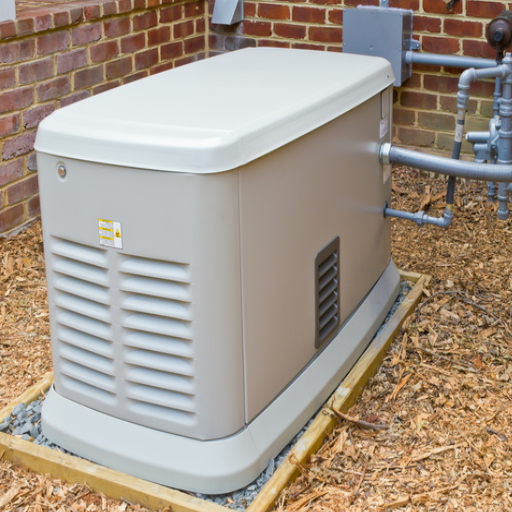
Installation can involve things like running gas lines, pouring a concrete pad for the generator to sit on, installing a transfer switch (which is the brain that tells the generator when to kick in), and, of course, all the electrical work. The more complicated your existing electrical setup, the more expensive the installation will likely be.
I once knew a guy who tried to install his own generator. Let's just say it involved a lot of sparks, a panicked call to the fire department, and a very sheepish apology to his neighbors. Moral of the story: leave it to the professionals! A qualified electrician will ensure everything is done safely and according to code.
Permits and Other Fun Stuff
Don't forget about permits! Getting the necessary permits from your local municipality can be a bit of a bureaucratic dance. It's like waiting in line at the DMV, except instead of renewing your license, you're trying to convince someone that you're not going to accidentally electrocute the entire neighborhood. But hey, it's all part of the process.
"The best way to avoid permit headaches is to let your installer handle it. They're usually familiar with the local regulations and can navigate the process much more efficiently," says Bob, a local electrician with a twinkle in his eye.
So, What's the Bottom Line?
Okay, okay, I know you're dying for a number. While it's impossible to give you an exact figure without knowing your specific situation, you can generally expect to spend somewhere in the ballpark of $3,000 to $15,000 (or even more for larger or more complex installations). This is a wide range, I know, but it really depends on the size of the generator, the complexity of the installation, and the going rates in your area. Get multiple quotes from reputable installers. Don't just go with the cheapest option. Look for someone with experience, good reviews, and a clear understanding of your needs.
Ultimately, a whole house generator is an investment in peace of mind. It's knowing that when the lights go out, you'll still have power to keep your family safe, comfortable, and connected. And that, my friends, is worth its weight in gold (or maybe just the cost of a really, really good pizza).