
Who Sets Gas Prices In The Us

Ever pull up to the pump, glance at those big, bold numbers, and think, "Whoa! Who decides that?" It feels like there’s some secret wizard behind a curtain, pulling levers, doesn't it? Or maybe a super-villain just cackling at their desk? Well, spoiler alert: it’s not just one wizard. It’s more like a whole orchestra, playing a really complex, ever-changing symphony.
Instead of a single, all-powerful entity, gas prices are the result of a fascinating and intricate dance involving global markets, industrial processes, government policies, and even local competition. It’s actually pretty cool once you peek behind the curtain. Let's break down this mystery, shall we?
The Big Kahuna: Crude Oil
Let’s kick things off with the biggest piece of the pie: crude oil. This is the raw stuff, the black gold we dig out of the ground. Think of it like the main ingredient in a secret family recipe. If the price of flour goes up, so does the cake, right? Crude oil is no different.
Must Read
About half of what you pay at the pump, sometimes even more, is just the cost of this crude oil. And here's the kicker: crude oil is a global commodity. Its price isn't set in a small room in Kansas; it’s decided by what’s happening all over the world, often 24/7.
Imagine the world as a gigantic marketplace for crude oil. Things like supply and demand (duh!), but also big events, can cause prices to fluctuate wildly. A hurricane in the Gulf of Mexico? Prices might tick up because fewer oil rigs are working. Political unrest in a major oil-producing country? Yep, you guessed it, prices can jump. It’s like ripples in a pond – a tiny splash far away can send waves all the way to your local corner station.

And then there's OPEC, the Organization of the Petroleum Exporting Countries. They're like a powerful club of oil-producing nations who sometimes decide to adjust how much oil they pump out. More oil? Prices usually go down. Less oil? Up they go! It’s all part of this wild, interconnected global energy market.
The Magic Transformation: Refining Costs
So, we've got crude oil. But you can't just pour crude oil into your gas tank, can you? Nope! It needs a serious makeover. That's where refineries come in. These huge, intricate industrial complexes take crude oil and, through a high-tech alchemy, turn it into all sorts of useful products, including gasoline, diesel, jet fuel, and more.
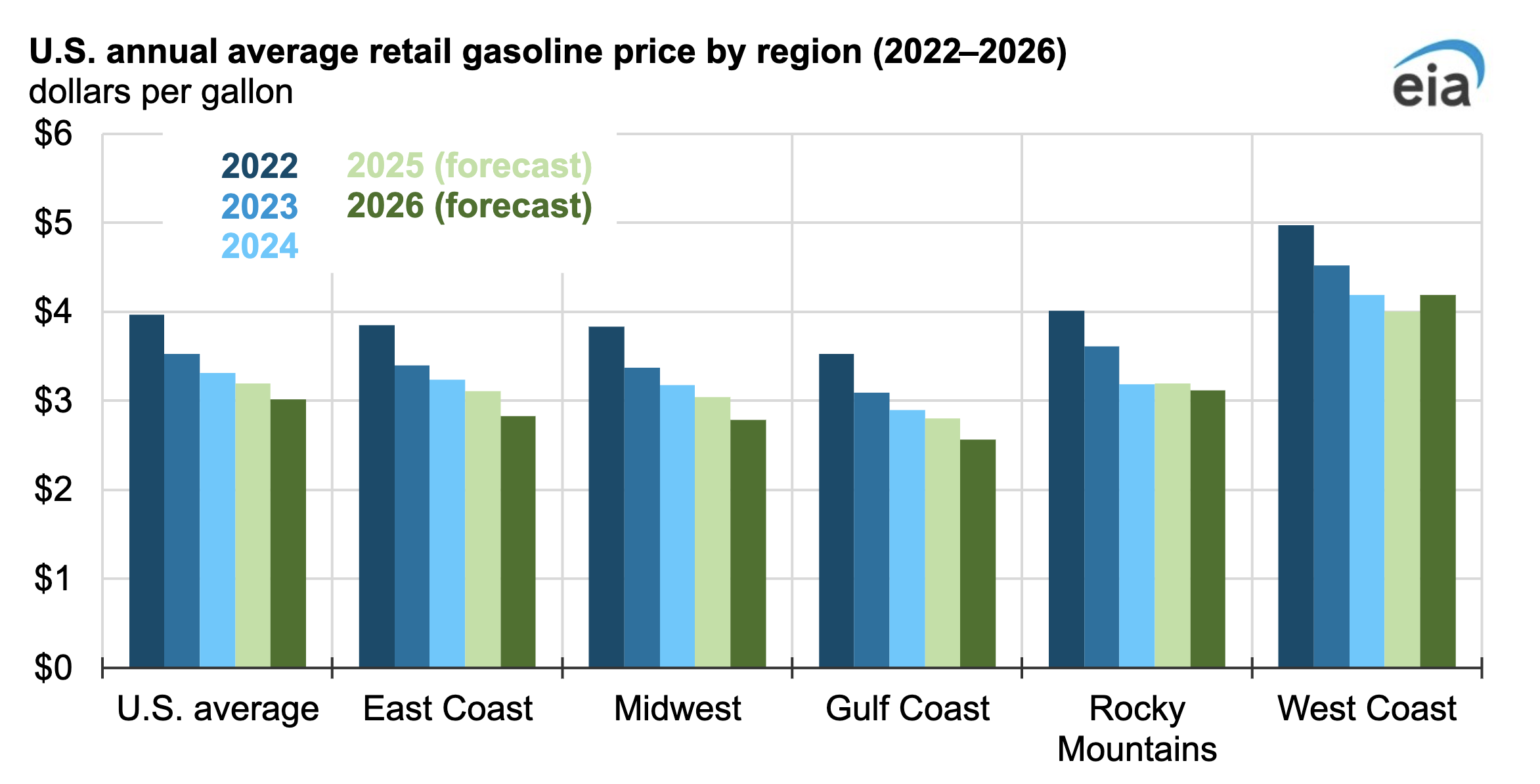
This isn't just a simple filter process; it’s incredibly complex and expensive. It costs a lot of money to run these places, pay the engineers, and meet stringent environmental regulations. Plus, refining isn't always straightforward. We have different 'blends' of gasoline for different seasons and regions – summer gas, for example, is formulated differently to reduce smog. Ever wonder why summer gas seems to cost a bit more? It's often because it’s a more expensive blend to produce!
And sometimes, a refinery has a hiccup, a planned shutdown for maintenance, or an unexpected issue. When that happens, the supply of finished gasoline temporarily dips, and just like that, you guessed it, prices can nudge higher. It’s a lot like baking a fancy cake – the ingredients are one thing, but the skill, the specialized oven, and the time it takes all add to the final price.
Uncle Sam’s Slice: Taxes
Alright, next up: taxes. This one's pretty straightforward, but it's a significant chunk of what you pay. Every gallon of gas you buy has federal and state taxes tacked onto it. These funds often go towards maintaining our roads and bridges – so, a necessary evil, perhaps? Think of it like a fixed service charge on your bill that goes straight to keeping the lights on (or, in this case, the roads paved!).

The federal tax is a flat rate per gallon, but state taxes vary wildly from one state to another. Ever noticed how gas might be significantly cheaper just across the state line? That's often a big reason why! It's like going to different stores for the same item, and one has a much higher sales tax rate than the other.
The Last Mile: Distribution, Marketing, and Local Competition
Finally, once the gas is refined and taxed, it needs to get from the refinery to your local gas station. This involves a whole network of pipelines, trucks, and storage facilities – all of which cost money, time, and energy. The journey from the refinery to your tank isn't instant or free.
And then there's the gas station itself. They're not just magical dispensers of fuel; they’re businesses. They need to cover their rent, utilities, employee wages, insurance, and, of course, make a profit to stay open. This is where local competition really kicks in.
Have you ever seen two gas stations across the street from each other with slightly different prices? That's them trying to win your business! If one station lowers its price, the one across the street might have to follow suit to stay competitive. It’s a bit like a game of checkers, with each station trying to outmaneuver the others for your fill-up. They're constantly doing a delicate balancing act, trying to cover their costs while also trying to lure you away from the Shell across the street with a slightly better deal.
So, who sets gas prices? It's not one shadowy figure, but a complex dance between global markets, industrial processes, government policies, and local business savvy. Next time you're at the pump, instead of just grumbling, maybe you'll have a little moment of appreciation for the incredible, interconnected system that brought that fuel to your tank. It's a pretty fascinating peek into how our global economy works, isn't it?