
Who Services Power In My Area
You know that feeling, right? It’s 6 AM. The alarm clock is… silent. Your phone, usually buzzing with notifications, is a cold, dark brick. You stumble out of bed, expecting the comforting glow of the kitchen light, but instead, you’re plunged into a deeper gloom. The fridge has stopped its familiar hum. Your coffee maker, your loyal morning companion, is utterly useless. Yeah, you guessed it: power outage.
My last experience with this lovely phenomenon involved a very important video call that was definitely not going to happen in the dark. I frantically checked my phone (once it had enough juice to switch on after a car charger rescue mission), looking for… well, I wasn’t even sure what I was looking for. A news alert? A collective moan on social media? But then the real question hit me: who do I even call? Who is the mysterious entity responsible for flicking the lights back on in my neck of the woods?
It’s one of those things we totally take for granted until it’s gone, isn’t it? Like gravity or the internet. The power just… is. But behind that steady flow of electrons is a whole system, and a specific company (or even a whole network of them!) working to keep your toaster toasting and your Netflix streaming. And knowing who they are is actually pretty darn useful, especially when things go dark.
Must Read
So, Who Are These Invisible Heroes (or Villains, Depending on the Outage)?
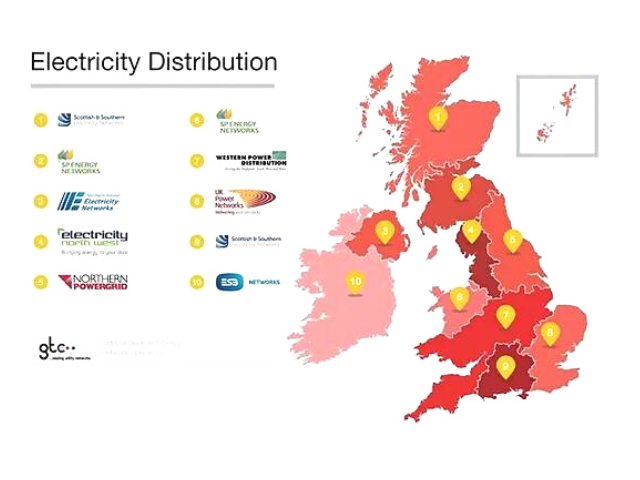
Unlike, say, the postal service which has one big federal name for most of us, electricity isn't typically handled by a single, nationwide entity. Instead, it’s a mosaic of companies, each responsible for different geographical areas. Think of it like this: your local pizzeria probably isn’t serving up slices across the entire country, right? Power is similar – it’s a more localized affair.
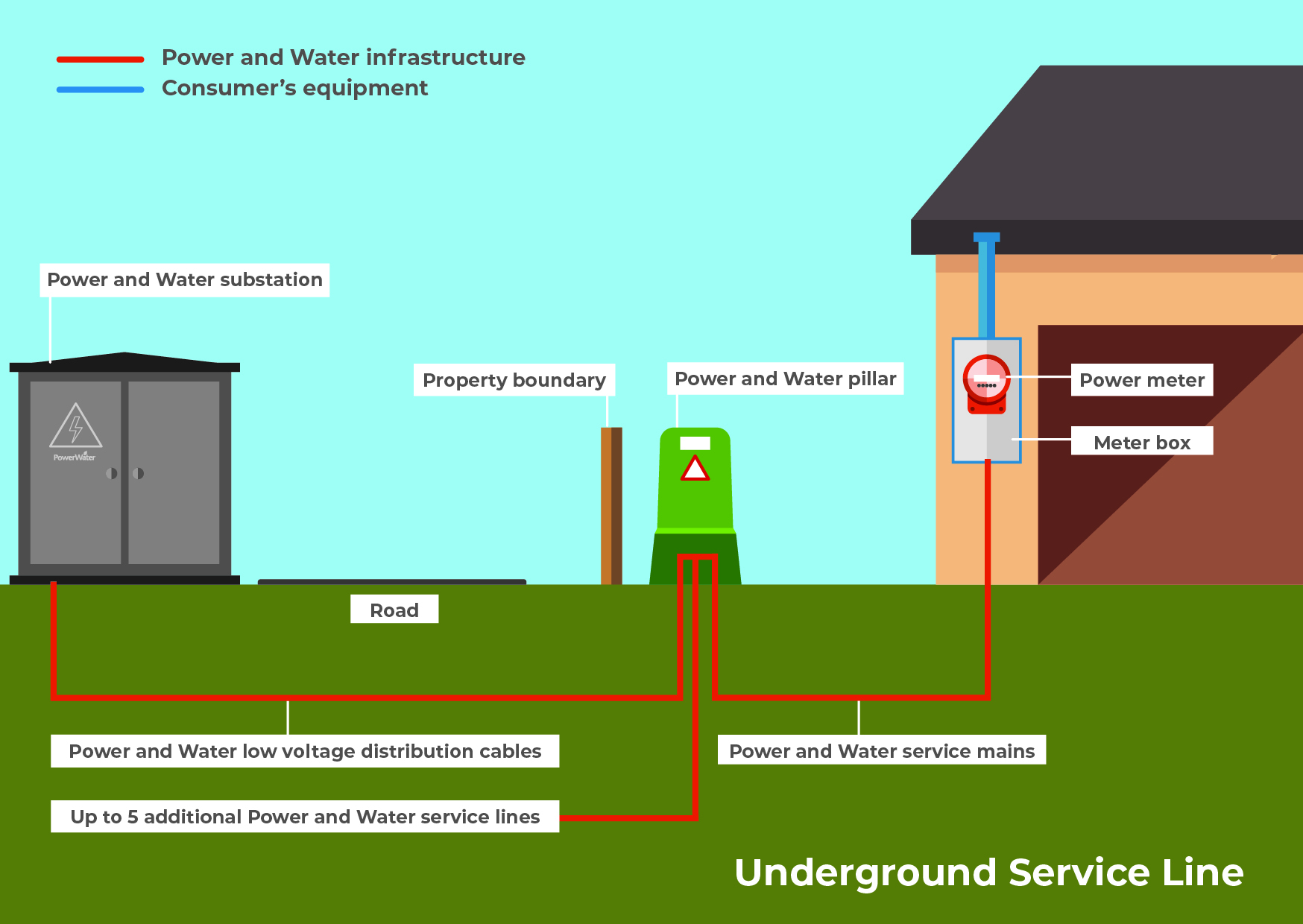
These companies are generally referred to as utility companies or electric providers. They're the ones generating power (sometimes), transmitting it across those giant towers you see along the highways, and then distributing it through the smaller lines that feed directly into your home. It's a massive, complex operation!
How to Find Your Power Pal (or Nemesis)
Okay, so how do you pinpoint your specific power provider? Let's be real, most of us only think about this when the lights go out or the bill arrives. But knowing beforehand saves you a frantic Google search in the dark.
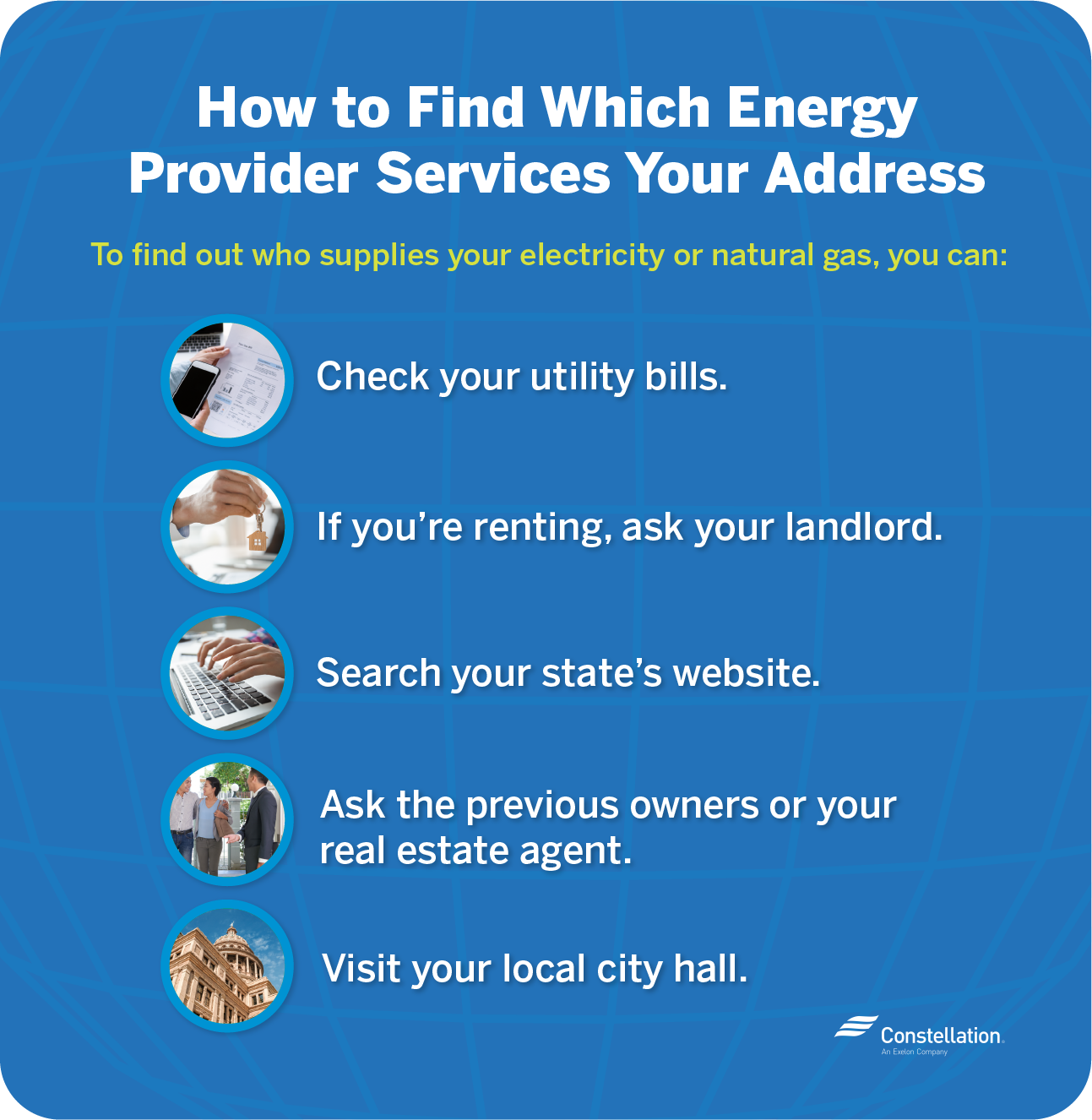
The easiest, most obvious place? Your electric bill! Seriously, just grab one. Somewhere on there, usually at the top, will be the name of the company sending you that monthly reminder of how much you love your air conditioning. It’ll also have their customer service number, which is gold during an outage.
No bill handy? Just moved in? No worries! A quick online search for "electric company [your city/zip code]" or "power provider [your street name]" will usually lead you straight to them. If that fails, ask a neighbor! They’ve probably been through this rodeo before and can point you in the right direction. Or, if you're renting, your landlord is definitely the go-to person.

The Different Flavors of Power Providers
It’s not just one type of company out there. Knowing the distinction can sometimes help you understand their priorities or even their customer service style. Here are the main players:
Investor-Owned Utilities (IOUs)
These are the big ones, often publicly traded corporations. Think of names like Con Edison, Pacific Gas & Electric, or Florida Power & Light. They're run for profit, which means they have shareholders to answer to. They often serve large metropolitan areas and surrounding regions. Sometimes they feel like a giant, faceless corporation, right?
Municipal Utilities
These are owned and operated by your local city or town government. Think Austin Energy, Seattle City Light, or Los Angeles Department of Water and Power (LADWP). Their primary goal isn't profit, but rather to provide reliable service at reasonable rates to their community members. You might find them more responsive to local concerns, as they're directly accountable to the citizens they serve.
Electric Cooperatives (Co-ops)
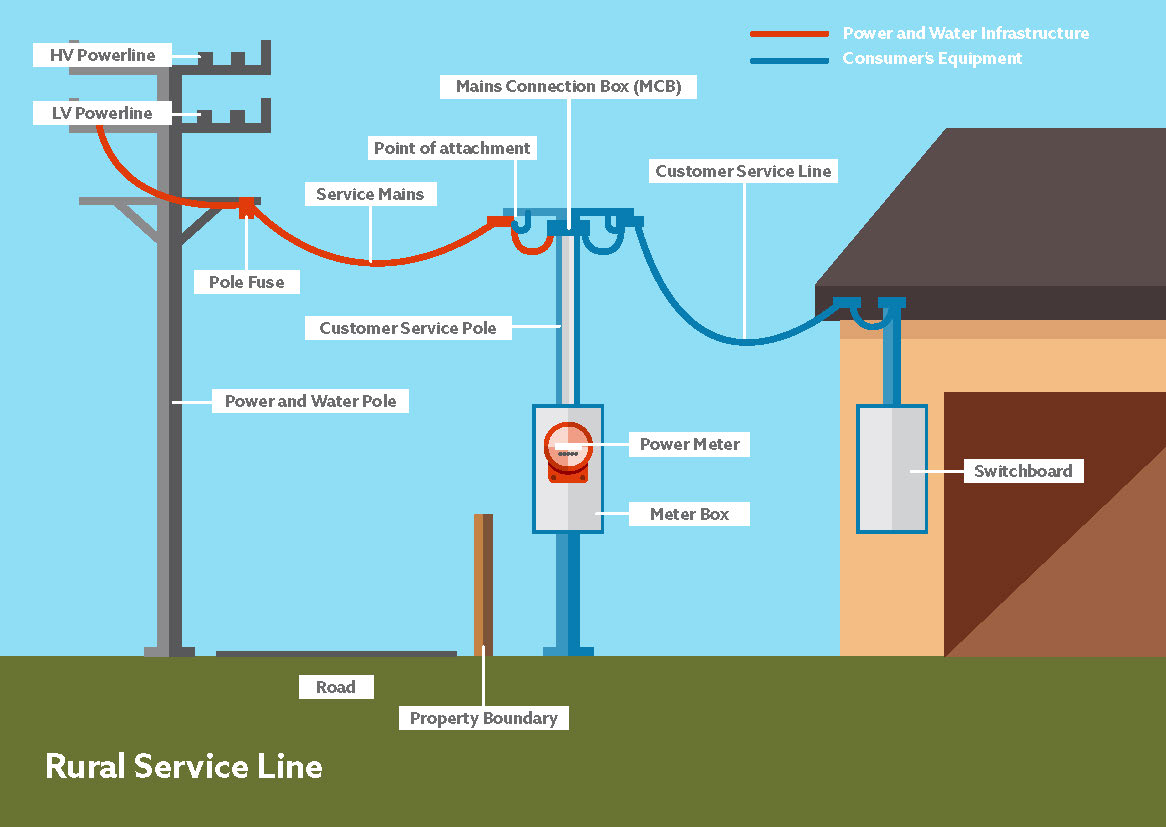
Often found in more rural areas, these are non-profit organizations owned by their members – i.e., the people they serve! They were originally formed because larger IOUs didn't find it profitable to extend lines to less populated regions. Co-ops are truly "by the people, for the people," and they often have a strong community focus, sometimes even offering capital credits back to their members.
Regulated vs. Deregulated Markets: A Little Twist
And just to add a sprinkle of complexity, some areas have deregulated electricity markets. What does that mean? Well, in a traditional regulated market, one company handles everything: generation, transmission, and distribution. Simple.
But in a deregulated market, you might have the option to choose your electricity supplier (the company that generates the power and sells it to you) from several different companies, while your local utility (often an IOU) still handles the actual delivery of that power through their lines. It sounds like more choice, but can sometimes lead to a bit of confusion about who to call for what issue. If the lights go out, it's still your local delivery utility you'll be contacting, not necessarily your chosen supplier.
Why Bother Knowing All This?
Beyond simply knowing who to yell at (kidding, mostly!) during an outage, understanding your power provider is genuinely useful. They're your first point of contact for:
- Outage reporting: The obvious one!
- Billing inquiries: Got a question about that surprisingly high bill?
- New service or moving: Who do you call to get connected or disconnected?
- Energy efficiency programs: Many utilities offer rebates for smart thermostats or appliance upgrades.
- Safety information: Downed power lines are no joke; your utility can advise on what to do.
- Understanding your energy usage: Many have online portals to track your consumption.
It also helps you understand who to reach out to if you have concerns about infrastructure, renewable energy sourcing, or even tree trimming around power lines. They’re more than just the silent background hum of your life; they're an active participant.
So, take a moment. Check that bill. Google your address. Find out who your power provider is. Because when the lights go out (and trust me, they eventually will), you'll be glad you did your homework. It’s like having an emergency contact for your entire modern existence. And who wouldn't want that?