
Who Is Eligible For Electric Vehicle Tax Credit

So, you're dreaming of cruising down the street in a shiny new electric vehicle (EV), silently gliding past those gas stations like a futuristic superhero. But then reality hits: those price tags! Good news! Uncle Sam might be ready to help you out with a sweet tax credit. But who exactly gets to join the EV party and snag this financial perk?
The Great EV Tax Credit Eligibility Quest: A Bird's-Eye View
Think of the EV tax credit like a golden ticket. It's a nice chunk of change (up to $7,500!) the government offers to incentivize folks to ditch the gas guzzler and embrace the electric revolution. But just like Willy Wonka's factory, not everyone gets in.
The Key Players: Cars, Buyers, and Income
There are three main characters in this eligibility drama: the car itself, you (the buyer), and your income. Let's break it down, shall we?
Must Read
The Car: Not Just Any Ride
First things first, your dream machine needs to be...well, electric! Hybrids that still rely heavily on gasoline might not qualify. We're talking pure EVs and plug-in hybrids with a decent battery size.
The car also needs to be brand new. Sorry, used EV enthusiasts! This particular tax credit is reserved for those fresh-off-the-lot purchases. There's also a little thing about where the car was assembled. The rules are kind of picky about that, aiming to support American manufacturing.
You, the Magnificent Buyer
You've got to be buying the EV for your own use, not to resell it and become some kind of electric car tycoon. You also need to be using it primarily in the United States. No claiming the credit and then shipping your EV off to a tropical island!
And, of course, you need to be a taxpayer. The tax credit is, after all, a credit against your taxes owed. No taxes, no credit.

Income Limits: A Touchy Subject
This is where things get a little, shall we say, personal? The government, in its infinite wisdom, has decided that not everyone needs a tax break to buy an EV. Income limits are in place to ensure the credit goes to those who might need a little extra nudge.
These limits vary based on your filing status. Single? Married filing jointly? Head of household? Each category has its own income threshold. If you earn above a certain amount, the EV tax credit might be out of reach. Think of it like a rollercoaster: you have to be the right height to ride.
Navigating the Fine Print: A Hilarious Hypothetical
Let's imagine Brenda, a quirky librarian with a passion for sustainability and a secret desire to be a race car driver (in a responsible, eco-friendly way, of course). Brenda's been eyeing the "Sparky," a new electric hatchback with a surprisingly peppy engine.
The Sparky is brand new, assembled in the USA (hooray!), and fits Brenda's driving needs perfectly. Brenda's thrilled! But then she remembers the dreaded income limits. Brenda, you see, had a particularly good year. Her bestselling mystery novel, "The Case of the Missing Thesaurus," unexpectedly hit the bestseller list. Uh oh.
Brenda nervously consults the IRS website. She finds the income limits for single filers. Her heart sinks. She earned just a tad too much. But wait! Brenda remembers her generous donation to the local cat shelter. Can she deduct that? Could it possibly bring her income back down below the threshold? The suspense is killing her!
This little scenario highlights the sometimes-complex reality of the EV tax credit. Income limits can be tricky, and deductions and credits can play a role in whether you qualify. It's like a financial puzzle, and you're the detective trying to solve it.
From Tax Credit to Point of Sale Rebate: A Possible Future?
Here's a little glimmer of hope for those who find the tax credit process confusing or intimidating. There's been talk of changing the system to a point-of-sale rebate. Instead of waiting until tax season to claim the credit, you'd get the discount right at the dealership when you buy the car. Think of it like an instant coupon for being environmentally conscious!
This change could make EVs more accessible to a wider range of people, especially those who might not have a large tax liability. No more worrying about income limits or complicated tax forms! Just pure, electric driving bliss. This is still in the works, but it could be a game-changer.
The Bottom Line: Do Your Homework!
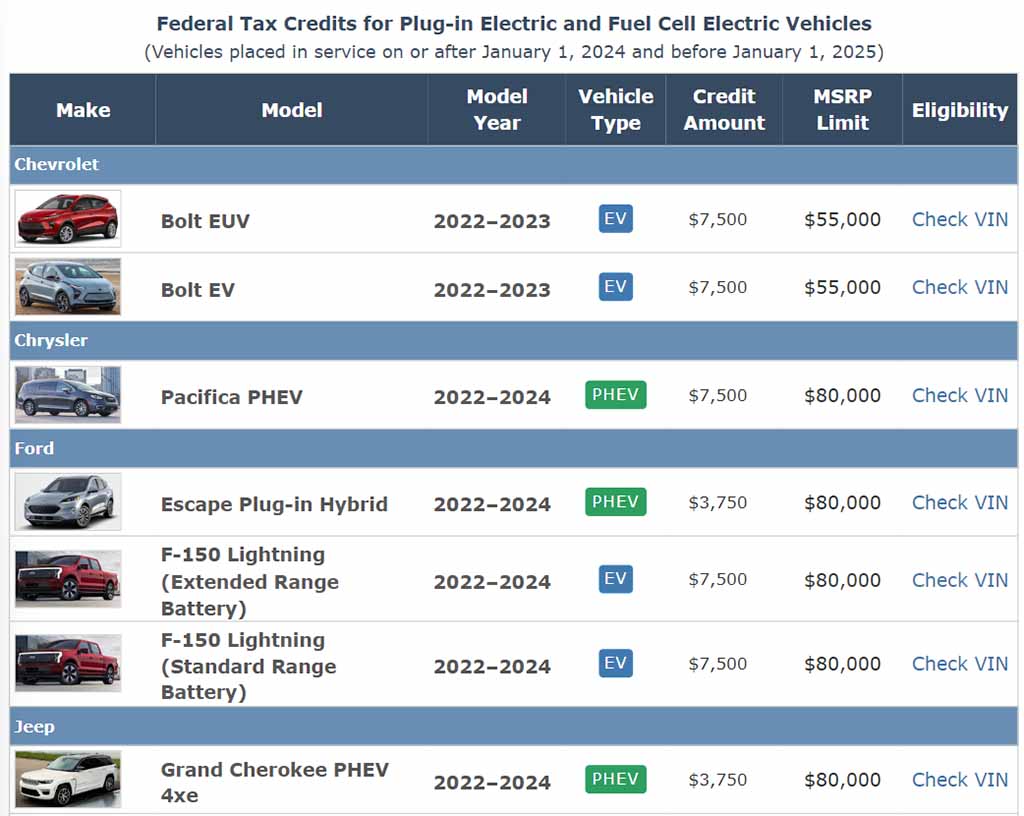
The EV tax credit is a fantastic incentive, but it's essential to do your research and understand the eligibility requirements. Check the IRS website for the latest information on income limits, vehicle eligibility, and other important details. Don't rely solely on what you hear from friends or see on social media. This is your hard-earned money we're talking about!
Talk to a tax professional. They can help you navigate the complexities of the tax code and determine if you qualify for the credit. They can also advise you on other potential deductions or credits that could benefit you.
Beyond the Money: A Greener Tomorrow
While the tax credit is undoubtedly a nice perk, let's not forget the bigger picture. Buying an EV is not just about saving money; it's about contributing to a cleaner, more sustainable future. It's about reducing emissions, improving air quality, and leaving a better planet for future generations.
So, whether you qualify for the tax credit or not, consider the long-term benefits of driving electric. You'll be reducing your carbon footprint, saving money on gas (goodbye, exorbitant fuel prices!), and enjoying the smooth, quiet ride of an EV. It's a win-win-win!
And who knows? Maybe one day, Brenda the librarian will finally get her Sparky, tax credit or not, and fulfill her secret dream of eco-friendly race car driving. The future is electric, and it's waiting for you!
Surprise! More Incentives Might Be Lurking
Don't stop at the federal tax credit! Many states and local governments offer their own incentives for buying EVs. These can range from additional tax credits to rebates to even perks like free charging at public stations. It's like finding extra fries at the bottom of your bag – a delightful bonus!
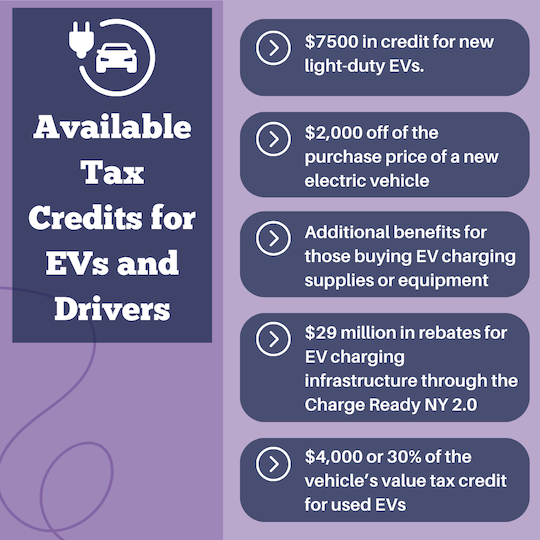
Check your state and local government websites to see what goodies are available in your area. You might be surprised at how much you can save. Combining the federal tax credit with state and local incentives can make owning an EV even more affordable.
Leasing vs. Buying: A Different Kind of Electric Slide
Did you know the EV tax credit rules apply differently to leasing? When you lease an EV, the tax credit technically goes to the leasing company, not you directly. However, some leasing companies might pass those savings on to you in the form of lower monthly payments. It's like a silent partnership where you both benefit.
If you're considering leasing, ask the dealer about the possibility of a reduced lease payment due to the tax credit. Don't be afraid to negotiate! The more information you have, the better equipped you'll be to make the right decision for your needs.
The EV Revolution is Now: Join the Fun!
The world is changing, and electric vehicles are leading the charge (pun intended!). The EV tax credit is just one piece of the puzzle, but it's a significant one. It helps make EVs more accessible to more people, accelerating the transition to a cleaner, greener transportation future.
So, do your research, crunch the numbers, and see if you're eligible for the EV tax credit. Whether you qualify or not, consider the many benefits of driving electric. You might just find yourself falling in love with the smooth, silent, and sustainable ride of an EV. Welcome to the electric revolution! It's going to be an electrifying journey.