
Who Doesn T Get Paid During A Government Shutdown
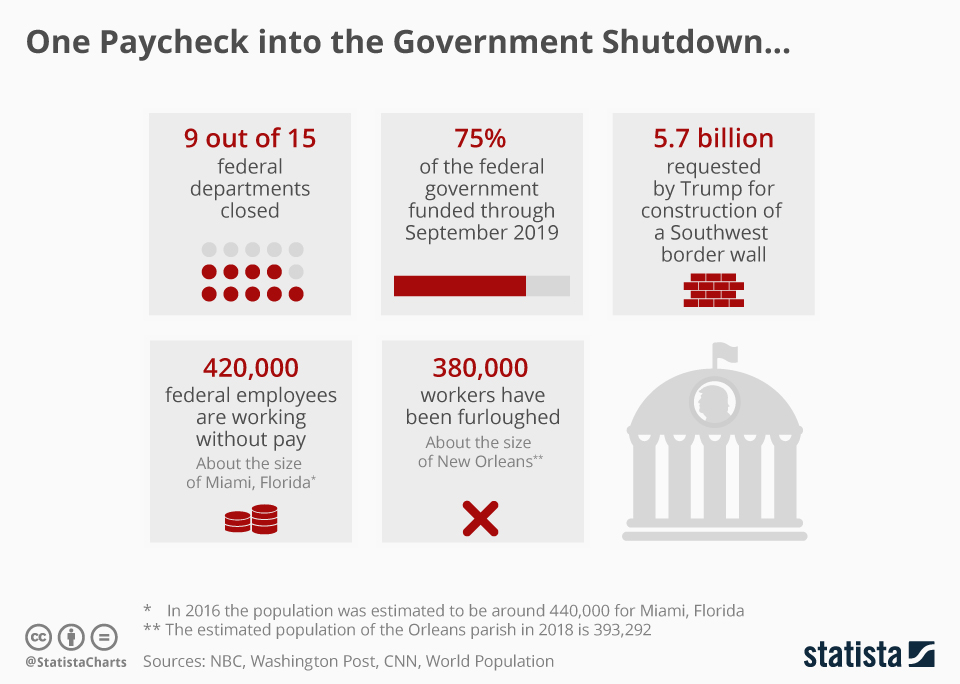
Okay, picture this: You're all set for a long weekend. Hiking planned, fridge stocked, maybe even a cheeky escape to the coast. But then BAM! News hits: government shutdown. Suddenly, that lovely, carefree feeling? Yeah, it's rapidly replaced by…confusion. And maybe a little panic. Because let's be real, these shutdowns always seem to pop up at the worst possible time.
So, the big question everyone's whispering about (or, let's be honest, shouting about on Twitter): Who actually doesn't get a paycheck when the government throws a temporary tantrum? It’s not as simple as saying “all government employees,” though it definitely impacts a LOT of people. Let's dive in, shall we?
The Furloughed Folks: Sent Home, Wallet Feeling Lonely
First up, we have the unfortunate souls who get furloughed. Think of it like being temporarily laid off... only with a healthy dose of political drama thrown in. These are non-essential employees. And before anyone gets offended by the "non-essential" label, it basically means their jobs aren't considered crucial to immediate safety or national security.
Must Read
(Side note: I always wonder who makes the "essential" vs. "non-essential" call. Talk about a stressful job!)
These folks are sent home. They can't work. They don't get paid. Nada. Zilch. Until the government decides to play nice again and reopen.

You'll often find people from national parks (goodbye, hiking plans!), museums (so much for that Smithsonian visit!), and various administrative offices among the furloughed ranks. The impact can be HUGE, especially if the shutdown drags on.
The Essential Employees: Working Hard, Hoping for a Payday
Then we have the "essential" employees. These are the heroes who keep the country running, even when politicians are…well, let’s just say “not running smoothly”. We're talking about air traffic controllers, border patrol agents, law enforcement, and military personnel. You know, the people you really don’t want to suddenly disappear.
(Another side note: These are the folks who truly deserve hazard pay during a shutdown. Just sayin'.)
Here's the kicker: They still have to work. They don't get the luxury of binge-watching Netflix. But... and this is a big BUT... they often don't get paid during the shutdown itself. They're usually promised back pay once the government reopens, but that promise is often a source of anxiety. Bills don't magically disappear just because Congress is having a disagreement, you know?
Contractors: The Often-Forgotten Casualties
Now, let's not forget about the government contractors. These are the people who work for private companies that provide services to the government. And, often, during a shutdown, their contracts get put on hold. Which means…you guessed it… no work, no pay.
Unlike federal employees, contractors aren't guaranteed back pay. Their fate depends on the specific terms of their contract and the goodwill of their employer. It's a really precarious situation, and they often get overlooked in the news coverage.
What About the Big Shots? (Spoiler: They Usually Get Paid)
Of course, there's always the question of the folks at the top. Members of Congress? The President? Well, they generally keep getting paid. Their salaries are usually protected by the Constitution or other laws. Yeah, I know, it’s a little…uneven, isn’t it?

(Seriously, maybe Congress should consider forfeiting their paychecks during shutdowns. Just a thought. A very popular thought, I suspect.)
The Ripple Effect: It's Bigger Than You Think
The impact of a government shutdown extends far beyond just federal employees and contractors. Local businesses near national parks suffer. Tourism takes a hit. And the general public loses access to vital services. It's a big, messy, frustrating situation all around.
So, the next time you hear about a potential government shutdown, remember it's not just some abstract political game. It's real people, real families, and real livelihoods on the line. And hopefully, understanding who gets affected can help us all advocate for more responsible and sustainable governance. (Okay, stepping off my soapbox now!)