
Who Do You Call For Gas Leak

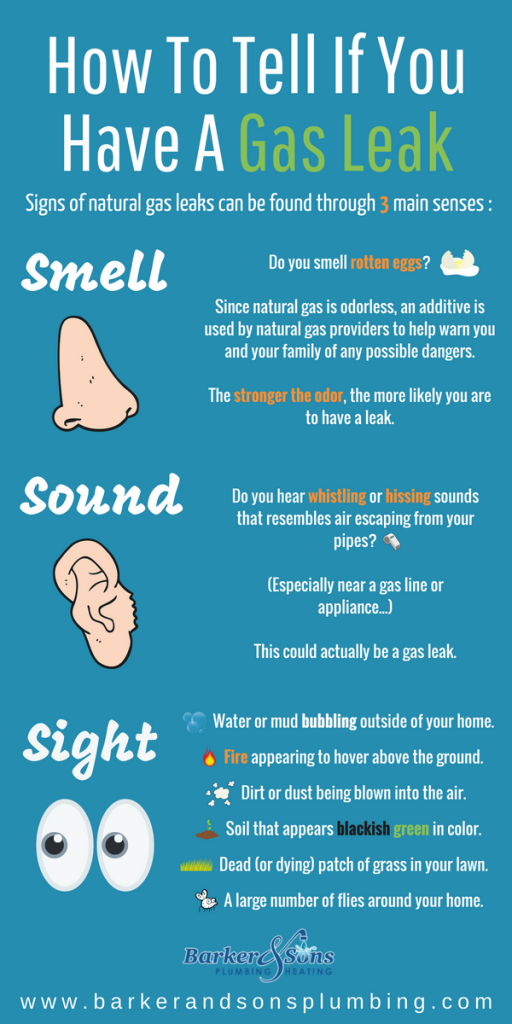
There are certain smells that just stop you dead in your tracks. Not the good kind, like fresh-baked cookies or a spring rain. We’re talking about that other smell.
The one that makes your stomach drop faster than a roller coaster. That faint, yet utterly unmistakable, odor of rotten eggs. Yes, we mean a potential gas leak.
Immediately, your mind shifts gears into frantic overdrive. A tiny, internal siren starts blaring at full volume. Danger! it screams, echoing in your skull.
Must Read
The Great Internal Debate
Then comes the big, brain-freezing question. The one that, surprisingly, stumps so many of us when it truly matters. Who do you call?
It sounds like it should be simple, right? A no-brainer, even. But in that moment of sudden, gut-wrenching alarm, common sense often packs its bags and leaves.
Your fingers hover over your phone, feeling strangely heavy. Do you dial 911? Or maybe the Fire Department directly, if you know their non-emergency line?
The "Logical" Misdirection
Perhaps you think, "It's a gas problem, so I should definitely call the Gas Company." That seems like the most logical, straightforward approach, doesn't it?
But then, those pesky doubts, like little gremlins, start creeping into your thoughts. What if it's really, truly serious? Will the Gas Company be fast enough to respond?
And what if this happens at 3 AM on a random Tuesday? Is their emergency line even staffed by alert human beings? Or just an automated system asking you to press 1 for billing inquiries?
You might even consider calling your incredibly handy Uncle Bob. He always seems to know how to fix everything, from leaky faucets to wobbly fence posts. Surely, he'd know what to do about a gas leak!
Or perhaps a plumber crosses your mind. They fix pipes, don't they? And gas travels through pipes, so it kind of makes sense. But then you quickly realize a plumber isn't quite an emergency responder.
There’s a moment of pure, unadulterated, slightly comical panic. Your brain races through a mental rolodex, desperately trying to recall every single emergency service number you've ever vaguely heard of.
The smell, of course, seems to get stronger with every passing second. Is it just your imagination playing tricks on you? Or is your humble abode actually about to become a giant, smelly, dangerous bomb?
You probably stand there, sniffing the air dramatically, like a startled bloodhound on the trail of a particularly potent scent. Is it wafting from the kitchen? The basement? Who even knows!
This is where our shared human experience really, truly shines through. We all vividly picture ourselves in this exact scenario. And, let's be honest, we all likely feel a little bit lost and bewildered.
It’s very much like that unnerving moment when you hear a strange, unfamiliar noise in your car. Is it the engine? The brakes giving out? Or just a rogue, hungry squirrel trapped somewhere?
With a suspected gas leak, though, the stakes are undeniably a little higher than a squirrel. Much, much higher, in fact. This isn't just about a costly repair; it's about safety.
You start to sweat a little, even if the house is cool. Your heart does a frantic little jig in your chest. The air feels heavy with uncertainty.
The "Unpopular" Truth
Here’s the slightly unpopular, yet totally relatable, truth we often gloss over. Most of us don't instantly know the absolutely correct, textbook answer in such a moment.

We think we do, in theory, when we're calm and relaxed. But when the chips are truly down, and that rotten egg smell fills the air, our minds play peculiar tricks on us. We tend to overthink the simple solutions.
Many people’s very first instinct, after the initial jolt of shock, drifts quite naturally towards the Gas Company. Because, well, it's gas, after all. It feels logical.
But here’s the crucial, often misunderstood kicker. While the Gas Company is undeniably important and absolutely needs to be involved, they aren't always your first call for an immediate, potentially life-threatening situation.
It’s a subtle but profoundly important distinction. One that often gets thoroughly muddled in the swirling fog of panic and uncertainty. We tend to hesitate, to second-guess ourselves.
We wonder if we’re being overly dramatic. Is it just a tiny, harmless whiff? Or is this a full-blown, undeniable emergency that requires swift, decisive action?
This internal, agonizing debate eats up precious seconds. Seconds that, in a real emergency, could make all the difference in the world. Time is truly of the essence here.
So, let's finally clear up this common, universally experienced quandary once and for all. When you suspect a gas leak, your top, absolute priority is always, always safety. Nothing else comes close.
First things first: get out. Leave the building immediately and without delay. Do not waste precious seconds trying to locate the source of the smell.
Do not switch any lights on or off. Do not even think about using your phone inside the building. Any tiny spark, even from a light switch, could potentially be disastrous.
Once you are safely outside, and a good, considerable distance away from the building, then you can calmly (or as calmly as humanly possible) make that crucial call.
And who is that call to, you ask? The answer that many of us often ironically second-guess in the moment of truth, when it should be the most obvious.
For immediate danger, the absolute best, most direct number to dial is without a doubt 911.
Yes, 911. Or whatever your local equivalent emergency services number happens to be. They are specifically equipped and trained for all manner of emergencies, including gas leaks.
They will swiftly dispatch the Fire Department. These incredibly brave and highly trained folks are specifically prepared for exactly this kind of unsettling situation. They know what to do.
The Fire Department can quickly assess the immediate danger. They can secure the area. They are the true, undisputed frontline responders in such a crisis.
Crucially, they will also contact the Gas Company on your behalf. They have direct, established communication lines and well-practiced protocols for coordinating with utility companies.
So, while your initial thought of calling the Gas Company isn't entirely misguided, it's often a vital but secondary step in a true, unfolding emergency. Think of it as teamwork.

Think of it this way for clarity: if your house were suddenly ablaze, you wouldn't instinctively call the window repair company first, would you, just because fire came through a window?
No, you'd unequivocally call the Fire Department. A significant gas leak, especially one with a strong odor, is a similar kind of immediate and potentially devastating danger. It demands rapid, expert intervention.
They possess the tools and knowledge to shut off the gas supply safely if needed. They are there, first and foremost, to protect lives and valuable property. That is their core mission.
It's perfectly okay to admit that this isn't always immediately obvious to everyone. Panic has a funny way of making even the clearest thoughts feel fuzzy and indistinct. We're all just human, after all, prone to moments of confusion.
But now you know the definite answer. Next time you ever catch a whiff of those unsettling rotten eggs, you won't have to hesitate or fumble for numbers. You'll calmly (or as calmly as humanly possible) spring into decisive action.
Just remember this simple, life-saving mantra: get out, stay out, call 911. It’s a wonderfully straightforward guide for navigating a very scary and potentially dangerous situation.
You are absolutely not alone if you’ve ever found yourself wondering about this precise question. It truly is a common moment of shared human confusion. Just a little, endearing human quirk, really.
So, next time you're casually chatting with friends or family, perhaps bring it up. You might be genuinely surprised by just how many people share your initial indecision and internal debate.
And then, you can proudly share your newfound wisdom, perhaps delivered with a knowing wink and a confident smile. Because safety, combined with a little bit of shared understanding, genuinely always comes first.