
Which Wire Size Sequence Goes From Smallest To Largest
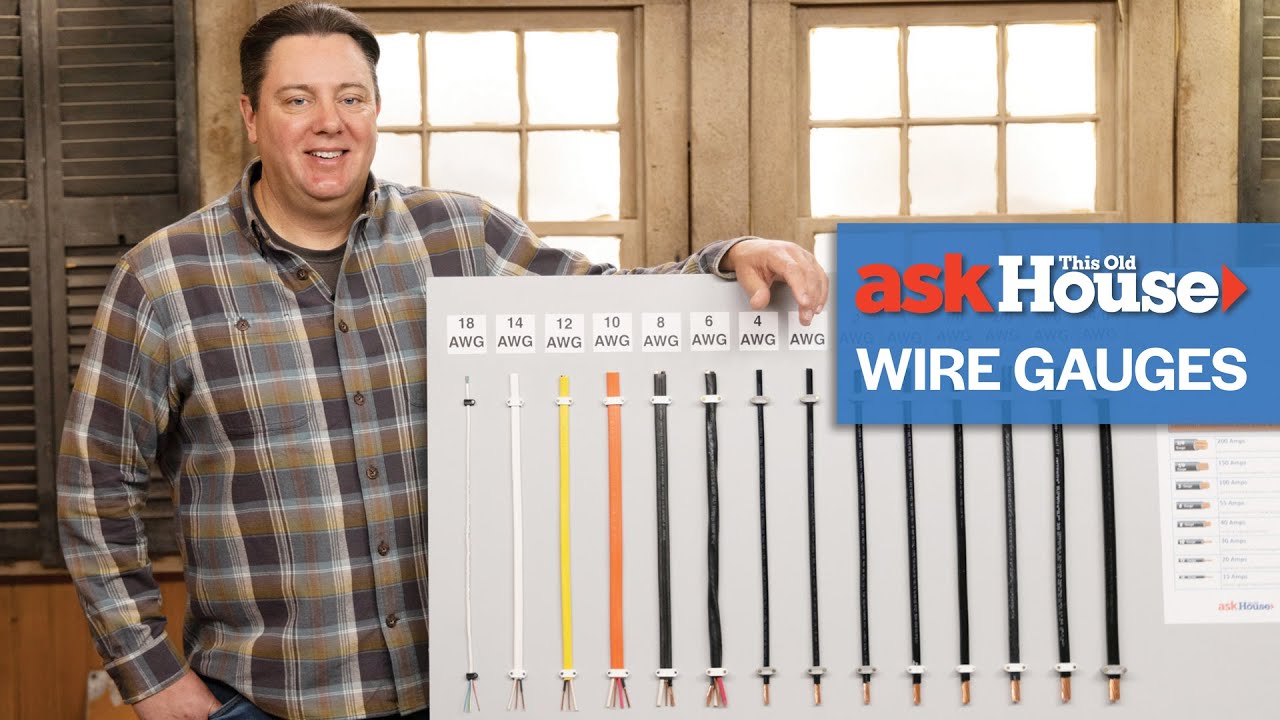
Alright, let's talk wires. Not the kind that'll get you tangled in a conspiracy theory (though, admit it, we all love a good Stranger Things binge!). We're talking about the everyday electrical wires that power our lives, from our phones to our fridges. And specifically, let's decode the seemingly mysterious numbering system that tells us which wire is which, size-wise.
Ever stared at a spool of wire at the hardware store and felt a wave of confusion wash over you? You're not alone! Those numbers – 14, 12, 10, and so on – they might seem arbitrary, but there's a method to the madness. And it's simpler than you think.
The Inverted Logic of Wire Gauge
Here’s the kicker: The smaller the number, the larger the wire. Think of it like golf – a lower score is better. So, a 10-gauge wire is thicker than a 14-gauge wire. Got it? Good!
Must Read
This system, known as the American Wire Gauge (AWG), dates back to the 19th century. Apparently, someone thought it would be funny (or perhaps just efficient) to make it counterintuitive. We're still benefiting (or being confused) by it today!
Therefore, if we're arranging wires from smallest to largest, the sequence would be:

Higher Number -> Lower Number.
For example: 20 AWG, 18 AWG, 16 AWG, 14 AWG, 12 AWG, 10 AWG, 8 AWG, 6 AWG, and so forth.
:max_bytes(150000):strip_icc()/electrical-wire-sizes-1152851-1c278609d8364a7e93e277903520836e.png?strip=all)
Why Does Size Matter? (And When to Call a Pro)
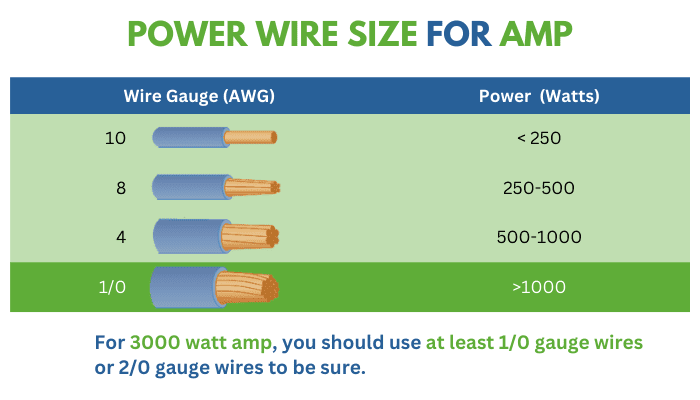
The size of a wire dictates how much current it can safely carry. Think of it like a pipe carrying water. A wider pipe (larger wire) can handle more water flow (more current) without bursting (overheating or causing a fire hazard). Using the wrong size wire is a recipe for disaster, like something straight out of a Final Destination movie (minus the overly elaborate Rube Goldberg machines, hopefully).
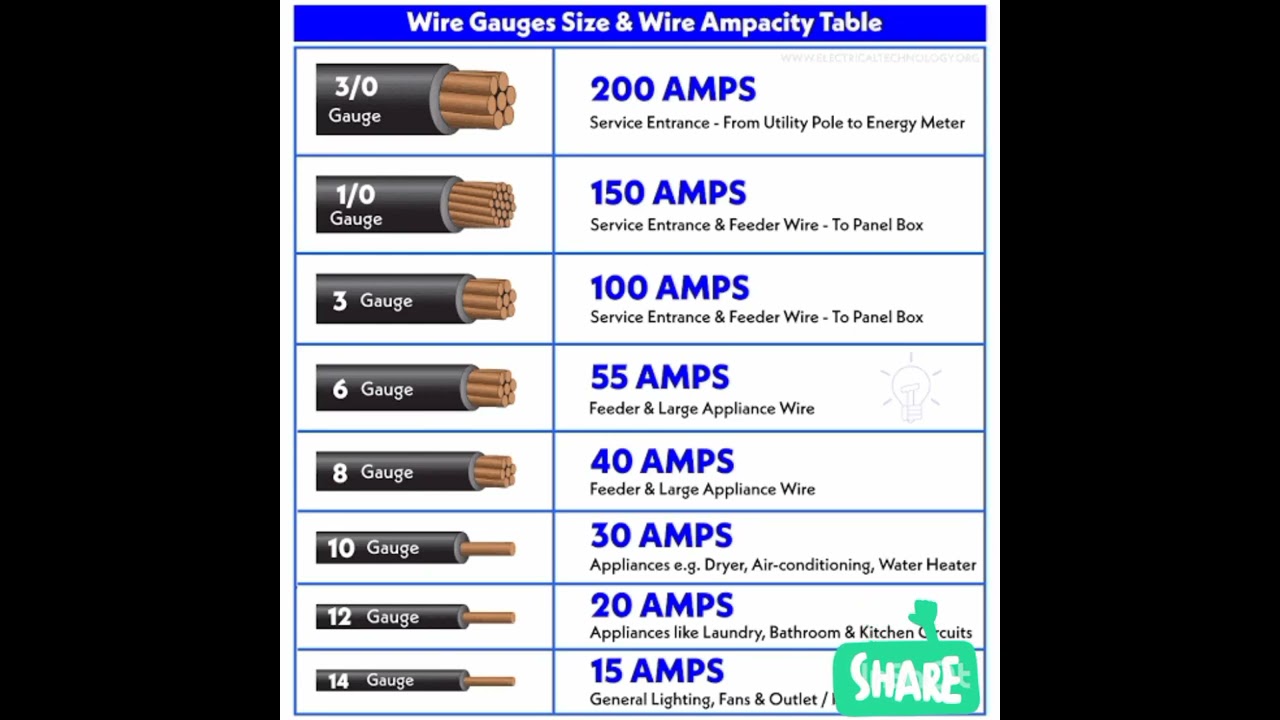
Here's a quick and dirty cheat sheet for common household wiring (always consult your local electrical codes and, when in doubt, hire a qualified electrician!):
- 14 AWG: Typically used for 15-amp circuits, like lighting circuits. Think lamps, ceiling fans, and basic outlets.
- 12 AWG: Commonly used for 20-amp circuits, like outlets in the kitchen and bathroom, or for appliances that draw a bit more power.
- 10 AWG: Often used for 30-amp circuits, such as those powering air conditioners or electric water heaters.
Pro Tip: Always turn off the power at the breaker before working with any electrical wiring. And if you're not comfortable with electrical work, please call a professional. Seriously. Electricity is not something to mess around with. Your safety is worth more than saving a few bucks.
Fun Facts and Cultural Asides
Did you know that the AWG system is based on the number of drawing operations needed to reduce a wire's diameter to the desired size? Basically, it's a measure of how many times the wire had to be pulled through a die to make it thinner. Now you have a great conversation starter for your next cocktail party!
And speaking of conversations, remember that scene in Apollo 13 where they're desperately trying to jury-rig a CO2 scrubber using duct tape and whatever else they can find? While they weren't dealing with AWG specifically, the scene highlights the importance of understanding basic electrical principles and the resourcefulness needed to solve problems under pressure. (Though, again, duct tape and electrical work generally don't mix. Leave that to the NASA engineers... or, you know, a qualified electrician.)
Connecting the Wires to Daily Life
Understanding the AWG system might seem like a niche piece of knowledge, but it's actually quite relevant to our daily lives. From choosing the right extension cord for your power tools to understanding the limitations of your home's electrical system, a basic understanding of wire gauge can empower you to make safer and more informed decisions.
So, the next time you're faced with a spool of wire, remember: smaller number, bigger wire. And when in doubt, don't be afraid to ask for help. After all, knowledge is power, and a properly wired world is a safer world.