Which Way To Turn Fan In Winter
Alright, let's talk about that unsung hero hanging above your head: the ceiling fan. Most of us flip it on in summer for a sweet breeze, but come winter, it often gets forgotten, a silent sentinel gathering dust. But what if I told you your fan has a secret superpower for the colder months? It's not just for cooling; it can actually help you feel warmer. The key? Knowing which way to turn fan in winter.
It sounds counter-intuitive, right? Why would you want a fan spinning when it's already chilly? Well, it all boils down to basic physics, a little bit like that science class you almost aced (or at least paid attention in for five minutes). Hot air, bless its buoyant heart, rises. This means that lovely warm air your heater is pumping out often hangs out at the ceiling, leaving you shivering below.
Summer Mode: The Downward Breeze
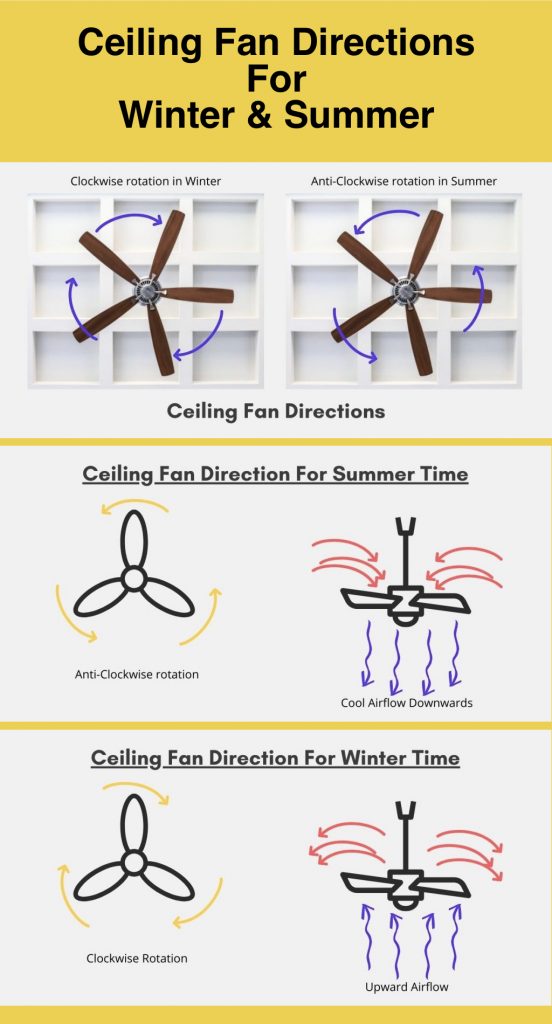
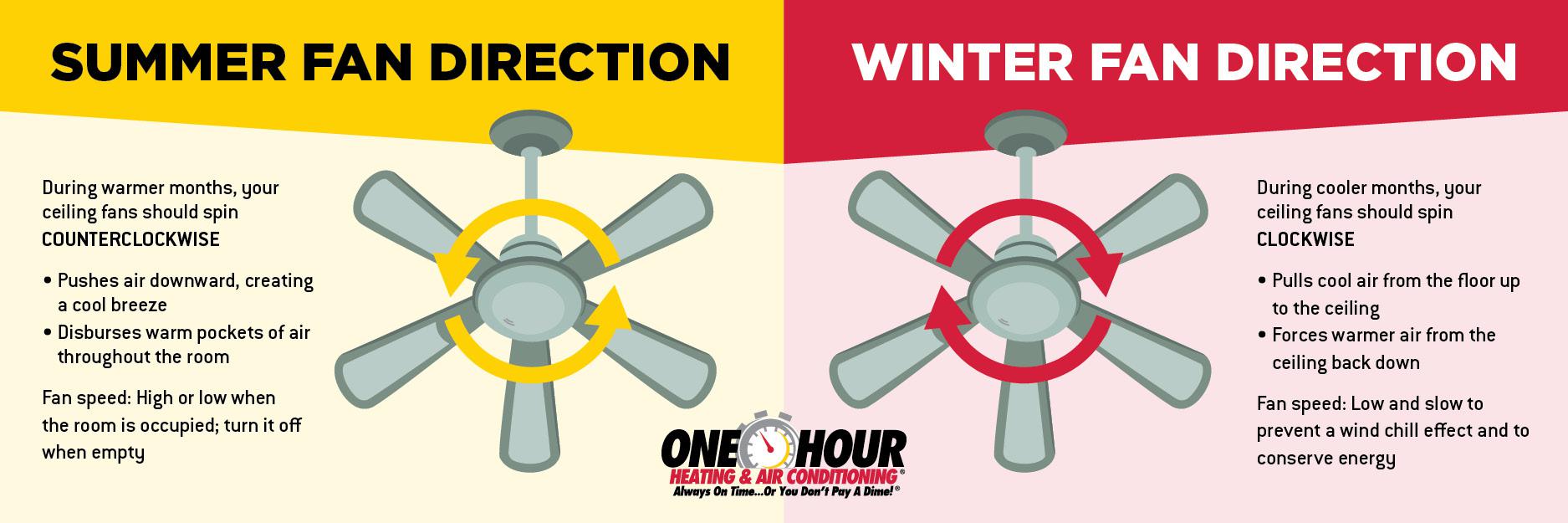
Think back to summer. You want a refreshing current, a direct hit of air movement. That's why your ceiling fan typically spins counter-clockwise. This motion pushes air straight down, creating a wind-chill effect that makes you feel cooler. It's fantastic for a warm evening, making a room feel several degrees cooler without even touching the thermostat.
Must Read
Winter Mode: The Gentle Updraft
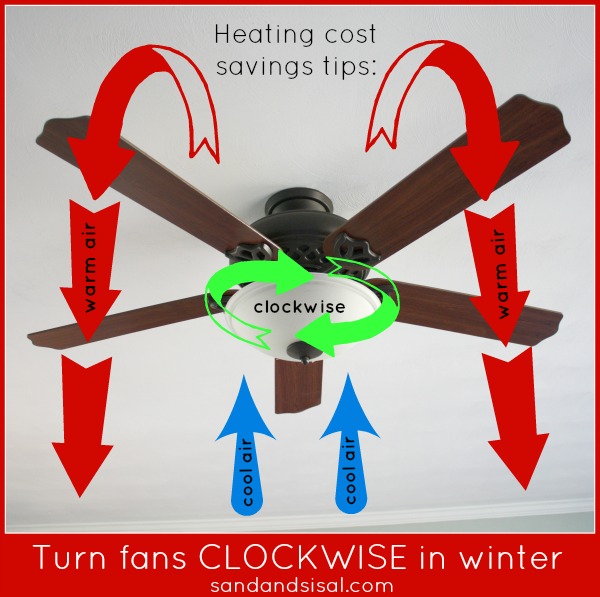
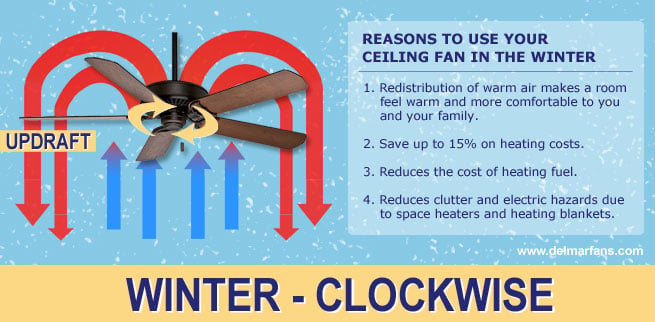
Now, for winter, we want the opposite effect. We're not trying to cool; we're trying to circulate warmth. So, the magical direction is clockwise. When your fan spins clockwise at a slow speed, it creates a gentle updraft. This subtle motion pulls the cooler air from below upwards, which in turn pushes the warm air pooling at the ceiling downwards along the walls. The result? A more even distribution of heat throughout the room, without creating an uncomfortable draft.
This phenomenon has a fancy name: thermal stratification. Basically, it’s the layering of air by temperature. By reversing your fan, you're actively battling this stratification, bringing that cozy warmth back down to where you can actually feel it. It's like giving your room a gentle, invisible hug of warmth.
Why Bother? The Cozy Perks & Practical Pennies
Beyond simply feeling more comfortable, there's a practical, wallet-friendly side to this. By effectively circulating warm air, your thermostat might not have to work as hard to reach and maintain your desired temperature. This can potentially lead to energy savings. Some estimates suggest you could save up to 10-15% on heating costs by using your ceiling fan correctly in winter. Imagine that! A little flip of a switch, a few extra dollars in your pocket.
It's also about creating a more consistent comfort zone. No more hot heads and cold feet! Just a nice, ambient warmth that makes curling up with a book or binge-watching your favorite show even cozier.

How to Make the Switch (It's Easy!)
Changing your fan's direction is usually a breeze, no pun intended. First, and this is important, turn off your fan completely. Safety first, always!
- Locate the small switch on the motor housing of your ceiling fan. It's usually a tiny toggle or slider switch.
- Depending on your fan model, you'll see an arrow indicating direction or a simple "summer/winter" setting.
- Flip the switch to the opposite position from what it was in summer.
- Turn your fan back on and set it to a low speed. You'll want a subtle circulation, not a strong breeze.
If you're unsure which way is which, stand directly under the fan. If it's spinning clockwise (meaning the blades appear to be moving to your right), it's in winter mode, gently pulling air up. If it's counter-clockwise (blades moving to your left), it's still in summer mode, pushing air down. Adjust as needed!
Beyond the Ceiling: Other Fan Friends
While the directionality magic primarily applies to ceiling fans, don't underestimate your other fan friends. A small box fan or tower fan can still help distribute heat in a room by simply promoting air movement. If you have a radiator or a space heater, positioning a small fan to gently push that warm air outwards can also be a clever trick to warm up a chilly corner.
A Few Extra Pro-Tips:
- Clean Those Blades! Seriously, dust acts as an insulator and reduces efficiency. Give those blades a quick wipe-down before you start spinning them.
- Low and Slow: Remember, for winter, we want a gentle circulation. High speeds will create a draft, which is the opposite of cozy.
- Smart Fan Tech: If you're really into home automation, some modern smart fans can even be controlled via an app or integrate with smart home systems, making direction changes a touch away.
The Simple Joy of Optimized Living
It’s these little insights, these small adjustments to our everyday environment, that often make the biggest difference in our comfort and efficiency. Learning which way to turn fan in winter isn't just about saving a few bucks or feeling a bit warmer; it’s about understanding the subtle dynamics of your home and making it work smarter for you. It’s a tiny act of mindfulness that contributes to a more comfortable, conscious, and ultimately, cozier living space. So go on, give your fan a new purpose this winter – your thermostat (and your toes!) will thank you.