
Which Way To Turn Fan In Summer

Summer’s here, the sun’s blazing, and that sweet, sweet relief of a fan is calling your name. You flick it on, feel the breeze, and then… bam! A question hits you: “Wait, which way should this thing actually be blowing?” It’s a classic summer head-scratcher, right up there with "Is this ice cream melting too fast?"
We’ve all been there, standing in front of a whirring blade, wondering if we’re doing it right. Good news: there’s no single "right" way, but there are definitely ways to make your fan work smarter, not harder, to keep you cool. Let's dive into the breezy world of fan physics, shall we?
The Big Fan Secret: Fans Don’t Actually Cool Air
First off, let’s clear up a common misconception. Your fan isn't an air conditioner. It doesn't magically lower the temperature of the air around it. Mind-blowing, right? Instead, what a fan does is move air, creating what’s called a wind-chill effect. Think about stepping out of a swimming pool on a warm day. That instant shiver you get? That's the wind-chill effect in action, helping to evaporate moisture (sweat!) from your skin.
Must Read
And that, my friends, is the key to understanding fan direction. Fans cool you by helping your body sweat more efficiently and by making you feel cooler. So, if you want that glorious sensation of relief, the air needs to be blowing directly on you.
Ceiling Fans: The Summer Spin Cycle
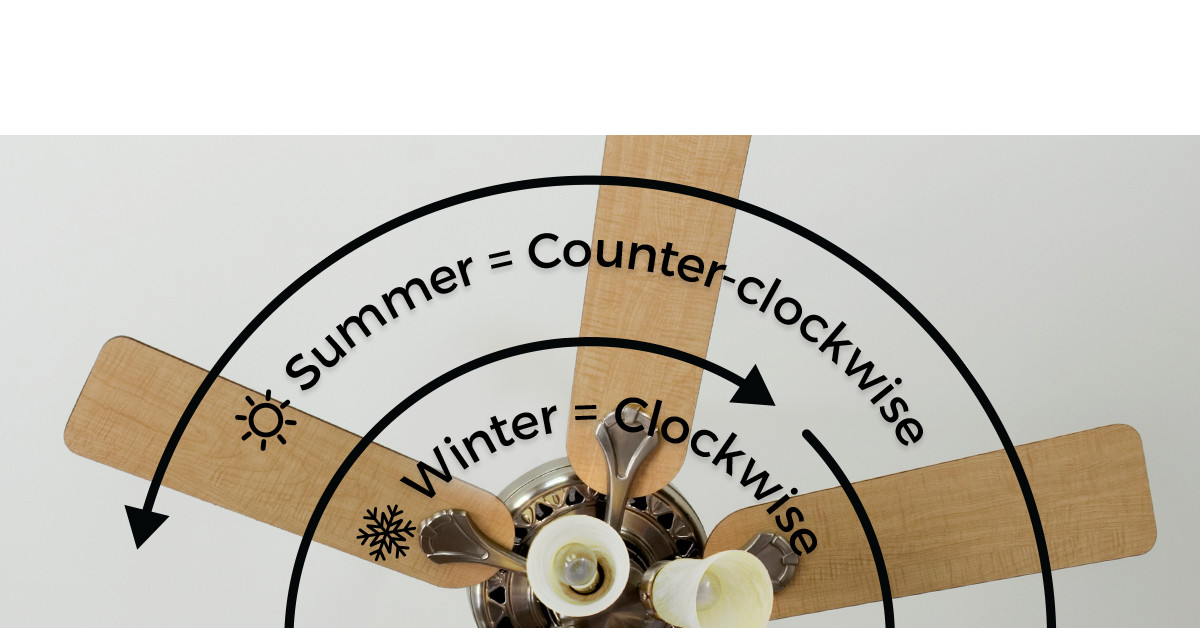
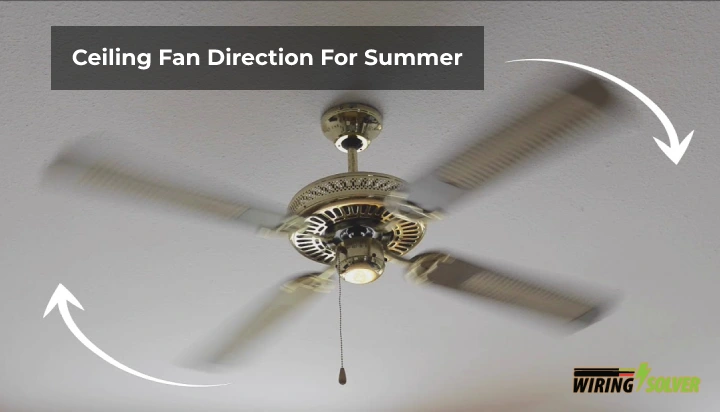
This is usually where the "which way?" question really comes into play. Most ceiling fans have a little switch (often a tiny slider on the motor housing itself) that changes their direction. For summer, you want your ceiling fan to spin counter-clockwise. Imagine standing underneath it and looking up – the blades should be moving from right to left.
Why counter-clockwise? Because this rotation pushes air down towards the floor, creating a direct breeze that washes over you. It's like having your own personal, silent wind machine right above your head, helping to evaporate sweat and make you feel significantly cooler. It’s all about creating that lovely, refreshing downdraft.
Box Fans & Tower Fans: Point and Chill
For your trusty box fan or sleek tower fan, the decision is often simpler: just point it at yourself! If you’re sitting on the couch, aim it so you get that direct blast of air. If you’re trying to cool off while cooking, angle it towards your workstation. The goal is the same as with a ceiling fan: get that moving air directly onto your skin for maximum wind-chill goodness.
These portable heroes are fantastic for creating a personal comfort zone. They’re like your loyal sidekicks, always ready to deliver a focused gust of relief right where you need it most. Experiment with different angles and distances – you might be surprised at how much difference a slight adjustment can make!
Beyond Personal Cooling: Moving That Stuffy Air Around
But what if you're not trying to cool yourself directly, but rather tackle a stuffy, hot room? This is where fans become amazing tools for ventilation and air circulation. Think of your home as a giant lung – sometimes you need to exhale the hot air, and sometimes you need to inhale fresh air.
Pushing Hot Air Out (The "Exhale" Method)
Got a room that’s like a sauna? Place a fan in a window, facing outwards. This works wonders for exhausting hot, stale air from the room. It’s like creating a giant vacuum cleaner in reverse, sucking the stuffiness right out. This method is especially effective in an attic window or a room that's been baking in the sun all day.
Imagine your fan is a gentle bouncer, politely escorting all the hot, muggy air out the door. Just make sure you have another window or door open elsewhere in the house to allow cooler air to enter and replace what's being pushed out. Otherwise, you’re just creating a partial vacuum!
Pulling Cool Air In (The "Inhale" Method)
On those glorious summer evenings when the temperature finally drops outside, you can use your fan to draw in cooler air. Place a fan in a window, facing inwards, particularly on the shady side of the house or where you know there's a cooler breeze. It's like a big, mechanical breath of fresh air for your home, pulling in the evening coolness.
Pairing this with an exhaust fan on the opposite side of the house creates a fantastic cross-breeze effect, like setting up your own personal wind tunnel through your living space. This is a super energy-efficient way to cool down your home naturally when the outdoor temps cooperate.

A Quick Winter Whiff (Just For Contrast!)
Just a quick side note: in winter, if you're using your ceiling fan, you'd usually want it to spin clockwise. This gently pulls cool air up and pushes warm air (which naturally rises) down along the walls, recirculating it without creating a chilling draft. But hey, that's a story for another, chillier day!
So, Which Way To Turn?
Ultimately, the "right" direction for your fan in summer boils down to your goal. Do you want to cool your own skin? Then point that air directly at you or set your ceiling fan to blow down. Do you want to clear out stuffy air or pull in a fresh breeze? Then strategize with your window fans to move air through the room.
Now you're not just flipping a switch; you're becoming a bona fide fan strategist! Go forth, experiment, and enjoy a cooler, breezier summer. Your sweat glands (and your energy bill) will thank you!