Which Way To Turn Ceiling Fans In The Winter
Ever felt that nagging little voice in the back of your head during the colder months, whispering, "Are my ceiling fans... doing anything useful?" You're not alone! We often associate ceiling fans with summer breezes, but they can actually be valuable allies in the fight against winter chill. It's a seemingly small detail, but understanding how to properly use your ceiling fans in winter can lead to significant energy savings and a more comfortable home. Plus, it's just plain fun to learn a little trick that makes your living space cozier!
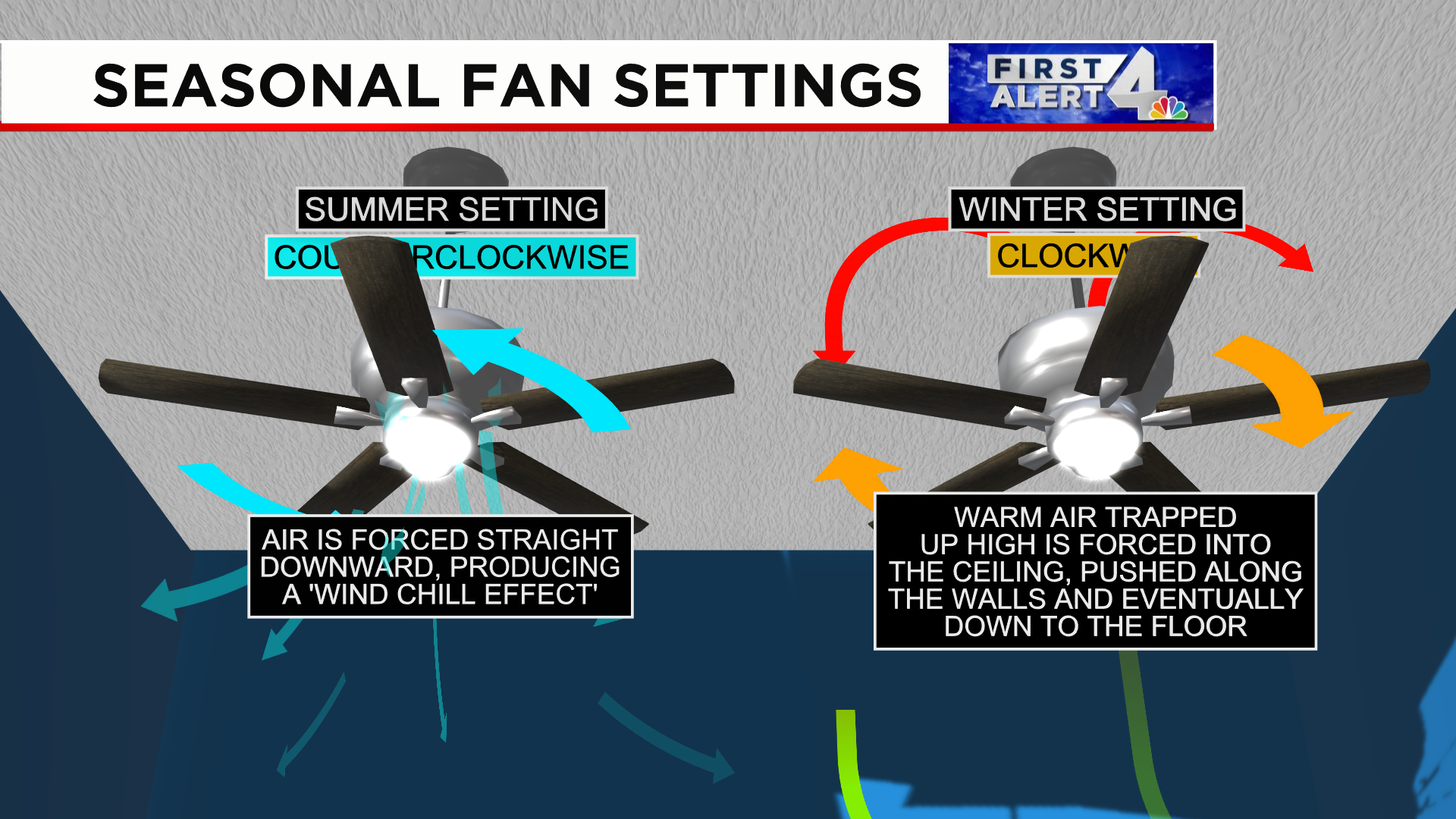
So, what's the secret? The trick is to change the direction of your ceiling fan. In the summer, we want the fan to push air downward, creating that refreshing breeze. But in the winter, the goal is different. We want to gently circulate the warm air that naturally rises and gets trapped near the ceiling. Warm air rises because it is less dense than cold air. Hot air balloons work on the same principle.
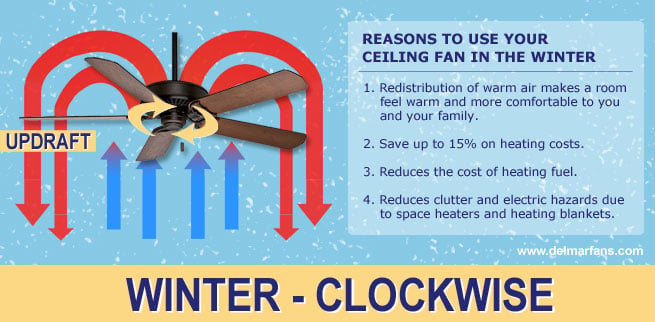
Think of it this way: your furnace is working hard to heat the room, but all that lovely warmth is congregating near the ceiling, leaving your feet feeling chilly. By reversing the fan direction, you're gently nudging that warm air back down along the walls, redistributing it throughout the room. This helps to even out the temperature and reduces the need for your heating system to work so hard. The principle behind this is called thermal stratification. It’s a big fancy term for a simple concept: warm air rises, and cool air sinks.
Must Read
The benefit? A more comfortable living space and lower energy bills! By making your heating system more efficient, you can save a noticeable amount of money over the winter months. In fact, the U.S. Department of Energy estimates that using ceiling fans effectively can reduce your heating costs by as much as 10%. That’s a pretty compelling reason to take a closer look at that dusty fan above you!
The use of this concept extends beyond the home too. In classrooms, reversing ceiling fans in winter can create a more conducive learning environment, preventing students from feeling cold and uncomfortable. Similarly, in large warehouses or industrial settings, strategically positioned and properly directed fans can significantly improve energy efficiency and employee comfort.
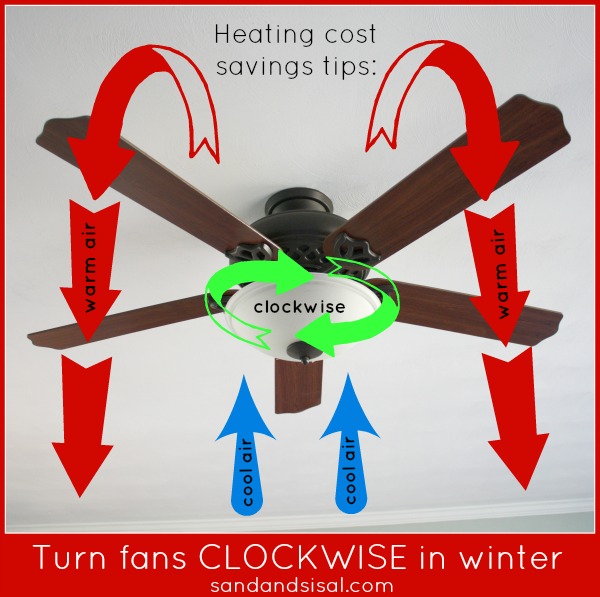
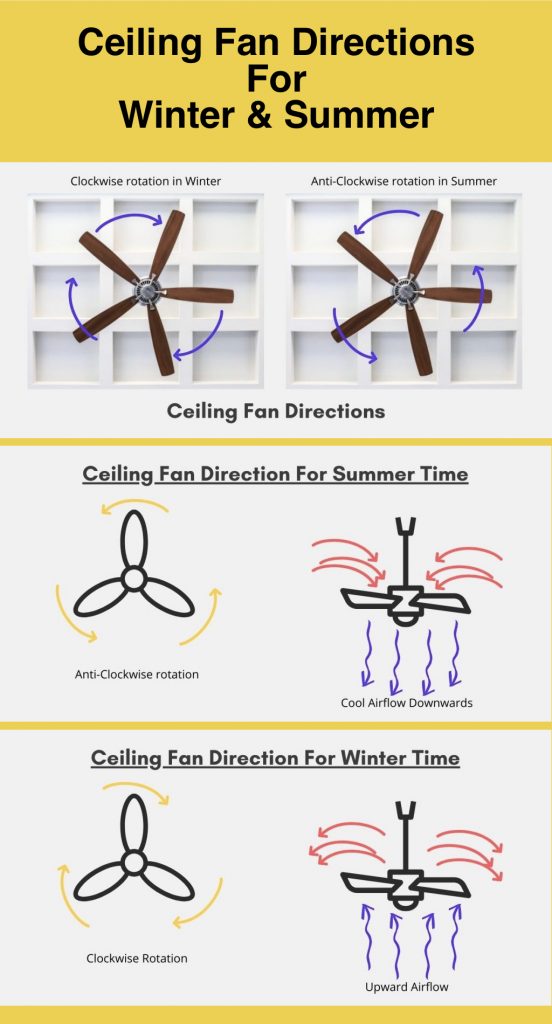
How do you actually reverse the fan? Most ceiling fans have a small switch located on the motor housing. This switch allows you to change the direction of the blades. Typically, in the summer, the fan should rotate counterclockwise (as viewed from below), pushing air down. In the winter, you'll want it to rotate clockwise (again, viewed from below), gently pulling air up. The key here is that it needs to rotate slowly. You are not trying to create a wind chill factor. You're merely trying to move the heated air downwards.
Want to explore this further? Here's a simple experiment: Stand directly under your fan in the summer and feel the downward breeze. Then, switch the fan to the winter setting and stand under it again. Can you feel the difference in airflow? Does it feel like a breeze or more of a gentle displacement of air? Another trick is to use a long piece of ribbon or tissue paper. Hold it up near the fan. See which way the air current is moving. It’s a fun and easy way to visualize the airflow and confirm you’ve got the direction correct. Don't be afraid to experiment! Every room is different, so find what works best for your space and enjoy the cozy, cost-saving benefits of a well-utilized ceiling fan.