
Which Way To Spin Fan In Summer
Alright, gather ‘round, my fellow sweat-beings, because we’re about to tackle one of life’s great mysteries – right up there with where all the lost socks go, and why the internet seems to know exactly what I was just thinking about. We’re talking about the humble, yet surprisingly complex, world of fans. Specifically, the age-old, sweat-inducing question: Which way should your fan spin in summer?
You’d think it’d be simple, right? It blows, you feel cooler, end of story. But oh no, my friends, the world of air circulation is far more intricate than that. Many a hot summer night has been spent staring up at that whirling contraption, wondering if it’s helping or just gently stirring the existing cauldron of humidity. Are we getting a delightful breeze, or are we just becoming human stir-fries?
The Great Ceiling Fan Conundrum: Up or Down?
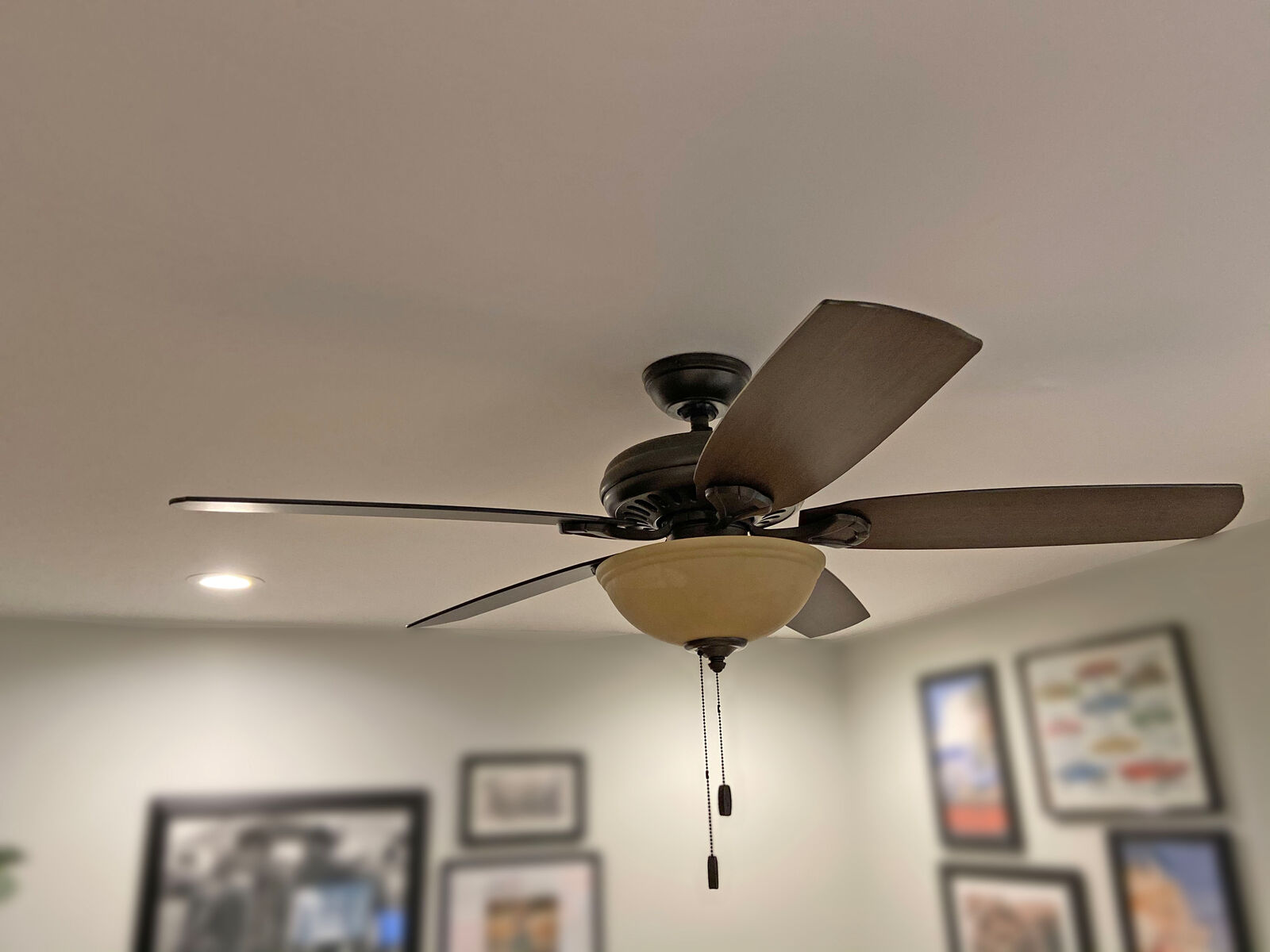
Let's start with the big kahuna, the overhead air traffic controller of your living room: the ceiling fan. This is where most of the confusion, and frankly, the potential for disaster, lies. If you’re like me, you probably just flick it on and pray for the best. But there's a secret, a fundamental truth that separates the truly comfortable from the merely suffering.
Must Read
For summer, you want your ceiling fan to create a lovely, downward breeze. Imagine you’re on a tropical island, and a gentle gust of wind washes over you. That's the feeling we're aiming for. To achieve this, your ceiling fan needs to spin in a specific direction. Drumroll, please...
Counter-clockwise!

Yes, that’s right. When you look up at your fan, the blades should be moving from left to right, or specifically, circulating the air so that it pushes down on you. Think of it like a helicopter rotor, but instead of lifting off, it’s pushing delicious, refreshing air right onto your perspiring face.
Why counter-clockwise, you ask? Because this creates a downdraft. It pushes the cooler air that's already in the room down towards you. This isn't just about moving air; it's about creating a wind-chill effect. The moving air helps evaporate the moisture on your skin, which, as any basic science class will tell you, cools you down. It’s like Mother Nature’s built-in evaporative cooler, only you’re providing the power. Pretty neat, huh?
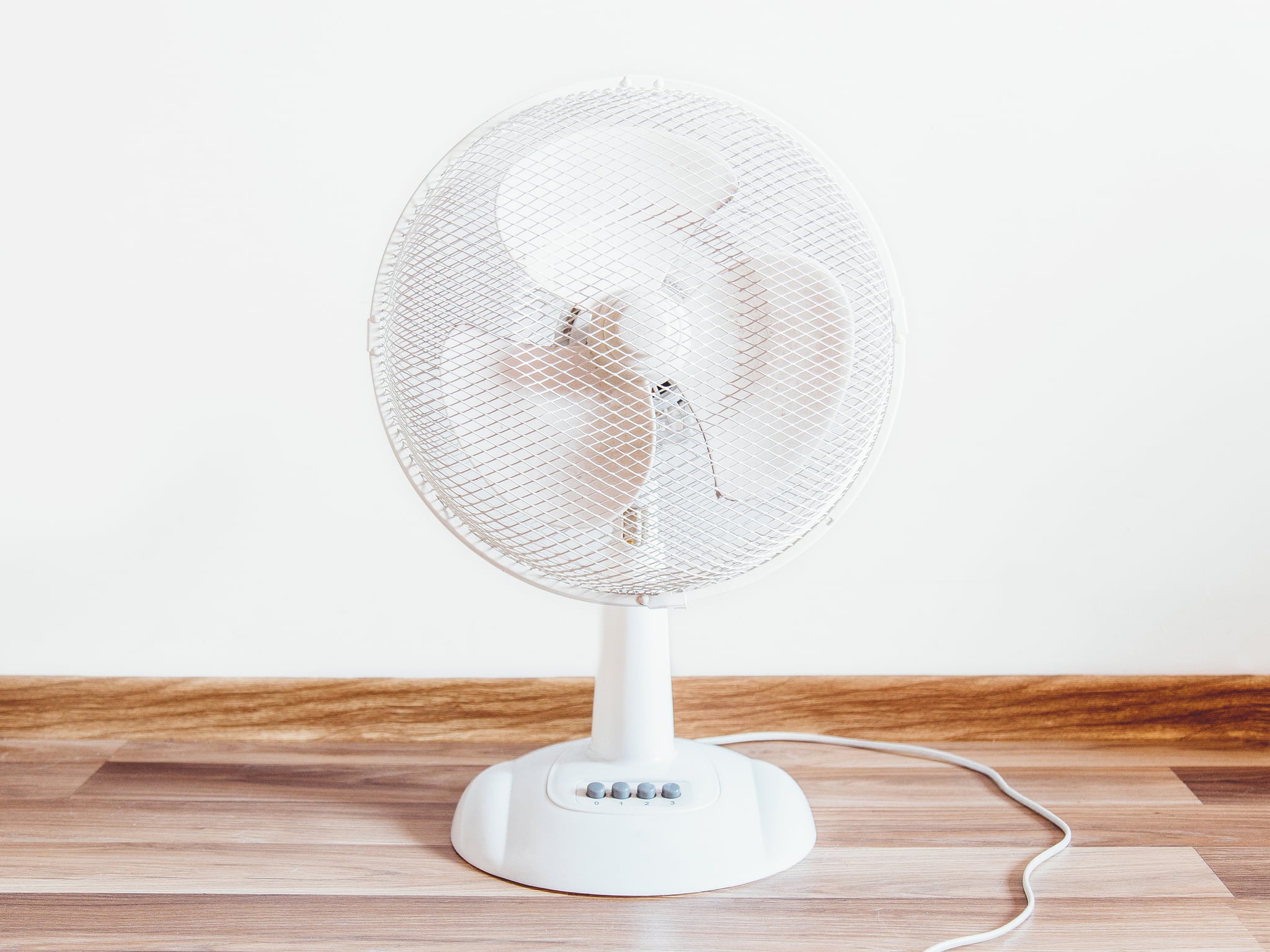
Most ceiling fans have a little switch, usually on the motor housing, that allows you to change the direction. It's often tiny, tucked away, and feels like you need a special fan-whisperer degree to find it. But trust me, finding that switch and flipping it to the correct summer setting is like discovering a secret portal to a much cooler dimension. Or at least, a slightly less sticky dimension.
A Quick Detour: The Winter Spin (Just for Contrast)
Just so you know, for the other half of the year, when you're bundled up and dreaming of pumpkin spice everything, your ceiling fan actually has a different job. In winter, you want it to spin clockwise. This creates an updraft, pulling cool air up and pushing warm air (which naturally rises) down along the walls. It recirculates the warm air without creating a direct breeze, helping to distribute heat more evenly. But for now, forget about that – unless you enjoy feeling like you’re trapped in a convection oven on a July afternoon.
The Simpler Cousins: Box and Pedestal Fans
Now, let's talk about the more straightforward members of the fan family: your trusty box fans, pedestal fans, and desk fans. These guys are less about intricate blade direction and more about brute force airflow. They only spin one way, bless their simple hearts. Their job is uncomplicated: blow air from one side to the other. There’s no secret switch to flip here; they’re pretty much "set it and forget it," in terms of blade direction.
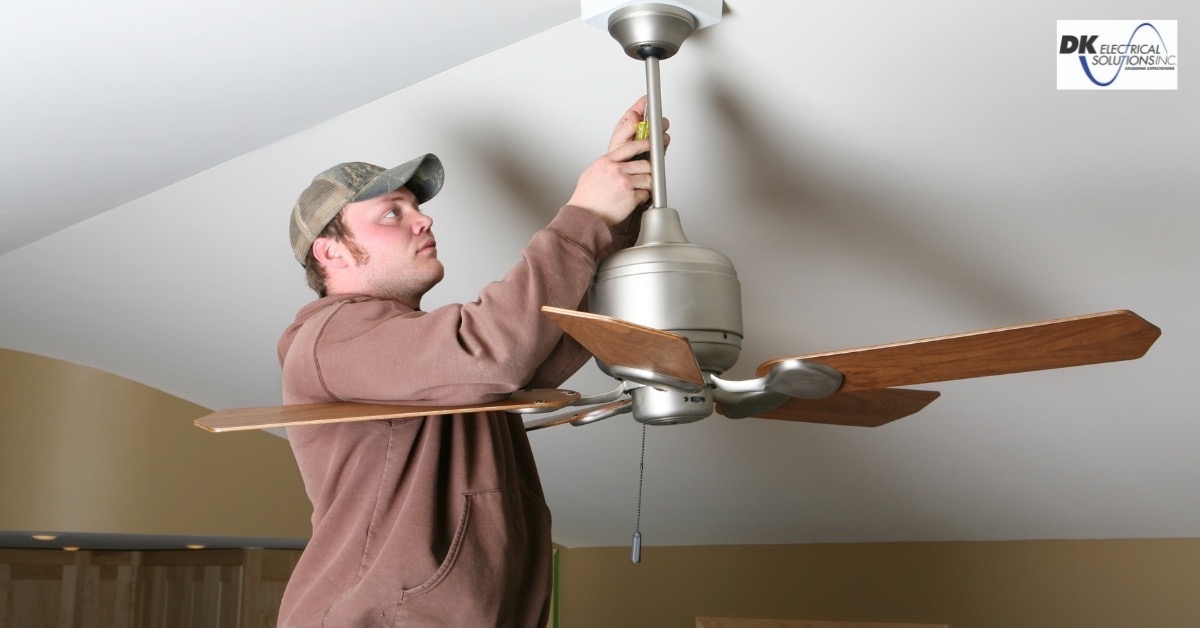
However, their placement is key. Want to feel cooler? Point that bad boy directly at yourself. Want to air out a stuffy room? Position it near an open window, pointing out, to help exhaust hot air. Or, if you’re feeling particularly ingenious, point it in from a window in the evening when the outside air is cooler than inside. These fans are the workhorses; they just need a little direction from their human overlords.
The Shocking Truth: Fans Don't Cool a Room!
Here’s a fun, slightly sobering fact that often surprises people: fans don't actually cool the air in a room. Gasp! I know, right? It's like finding out your favorite celebrity isn't actually that tall in real life. Fans merely circulate the existing air, making you feel cooler by accelerating the evaporation of sweat from your skin. Think of it as a personal cooling system, not a room air conditioner.

What does this mean for you? Well, it means there's absolutely no point in leaving your fans running in an empty room. You’re just wasting electricity, making that already-warm air circulate pointlessly. It’s like leaving the lights on when nobody’s home – utterly useless. So, when you leave the room, turn the fan off. Your wallet, and the planet, will thank you.
Become a Fan-ology Expert!
So, there you have it! The next time you're sweating buckets, take a moment to look up. Is your ceiling fan spinning counter-clockwise? Is it creating that blissful downdraft? If not, embrace your inner fan technician, find that little switch, and flip it. You’ll be amazed at the difference it makes.
Armed with this knowledge, you are now officially a certified fan-ologist. Go forth, tell your friends, impress your family. No longer will you be a passive victim of the summer heat; you will be its master, at least when it comes to strategically directed airflow. Now, if you'll excuse me, I'm off to enjoy my perfectly circulated, counter-clockwise-induced breeze. Ahh, bliss!