
Which Way To Run Fan In Summer

Ah, summer! That glorious season of sunshine, long evenings, and… an undeniable, often overwhelming, sense of heat. As temperatures climb, many of us turn to our trusty fans, those whirling blades of hope offering a momentary reprieve. But have you ever paused, remote in hand, and wondered: which way should this thing actually be blowing? It's a simple question with a surprisingly nuanced answer, and understanding it can be your secret weapon for a cooler, happier summer.
Let's demystify the humble fan. First off, a fan doesn't magically cool the air. Unlike an air conditioner, which uses refrigerants to remove heat and humidity, a fan simply moves air around. Its magic lies in how that moving air interacts with your body or your environment. Think of it less as a cooling device and more as an air circulation specialist.
The Direct Hit: Fan Blowing ON You
This is probably your go-to move, and for good reason. When a fan blows directly on you, it creates a breeze that helps your body cool down through a process called convection. As air moves across your skin, it helps evaporate sweat, which is your body's natural cooling mechanism. This is why a gentle breeze on a hot day feels so good!
Must Read
When to use this:
- When you're actively in the room and feeling warm.
- For immediate, personal relief.
- At your desk, bedside, or while relaxing on the couch.
Practical Tip: Place the fan relatively close to you. A powerful fan from across the room might feel good, but one positioned to create a consistent, personal breeze is often more effective and energy efficient. Think of it as your personal wind turbine, creating your own microclimate. Remember that feeling of stepping onto a breezy beach? That’s what we’re aiming for, even if you’re just in your living room.
The Great Escape: Fan Blowing OUT a Window
Now, this is where things get a bit more strategic, and it's a technique often overlooked. If your goal isn't just to cool yourself, but to cool the entire room or house, you need to think about ventilation. This involves using your fan to remove hot, stale air from inside, thereby drawing in cooler, fresher air from outside.
When to use this:
- In the evenings or overnight when the outdoor temperature drops below the indoor temperature.
- To quickly remove cooking odors, pet smells, or stuffy air.
- To create a powerful cross-breeze.
Practical Tip: Place your fan in an open window, facing outwards. This pushes the hot indoor air outside. Crucially, you then need to open another window or door on the opposite side of the room or house. This creates a vacuum effect, pulling in the cooler outdoor air to replace the hot air you're expelling. It’s like creating a natural air conditioning system, relying on the outside world to do some of the heavy lifting. You're effectively giving your home a refreshing exhale.
Ceiling Fans: A Special Case
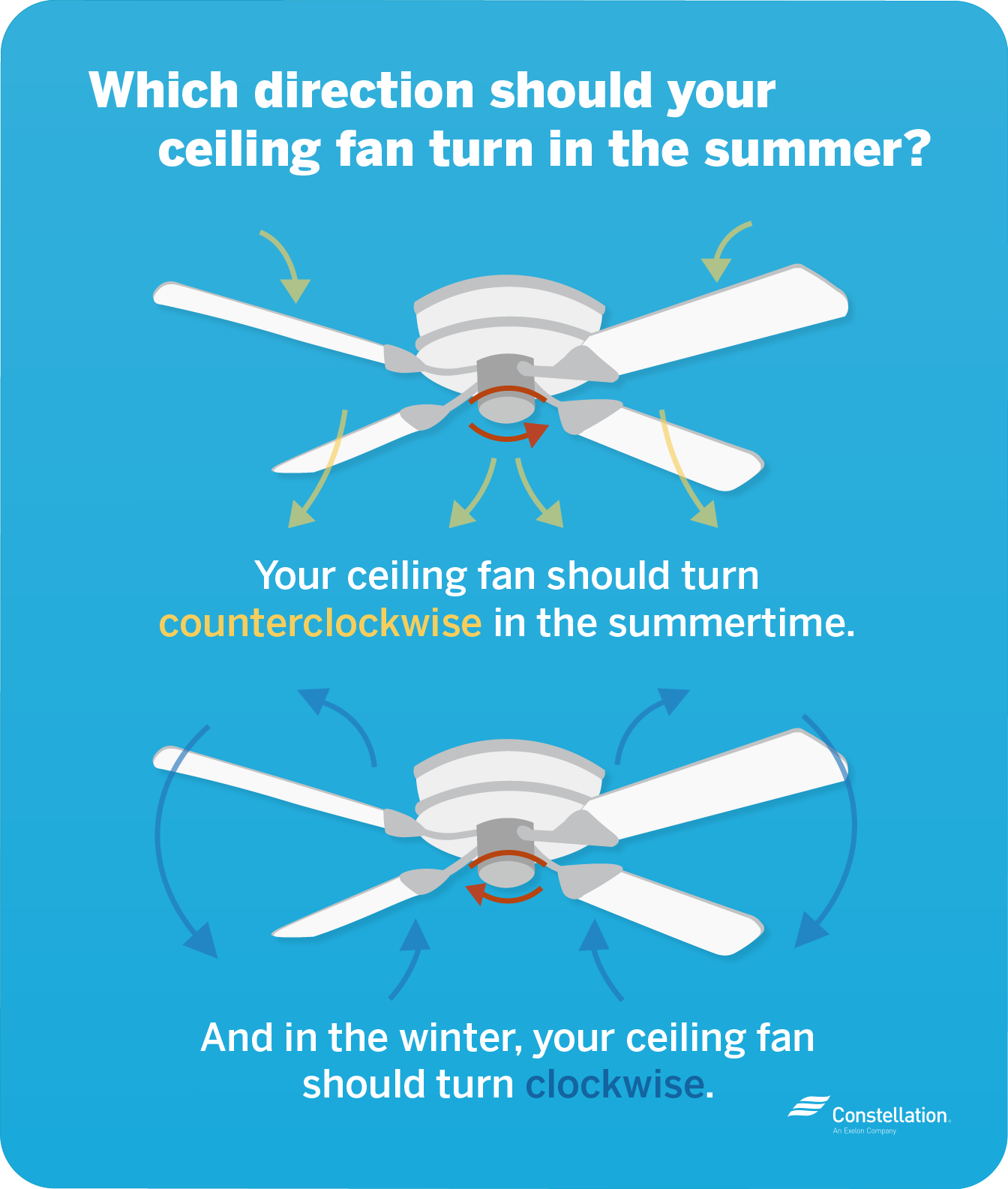
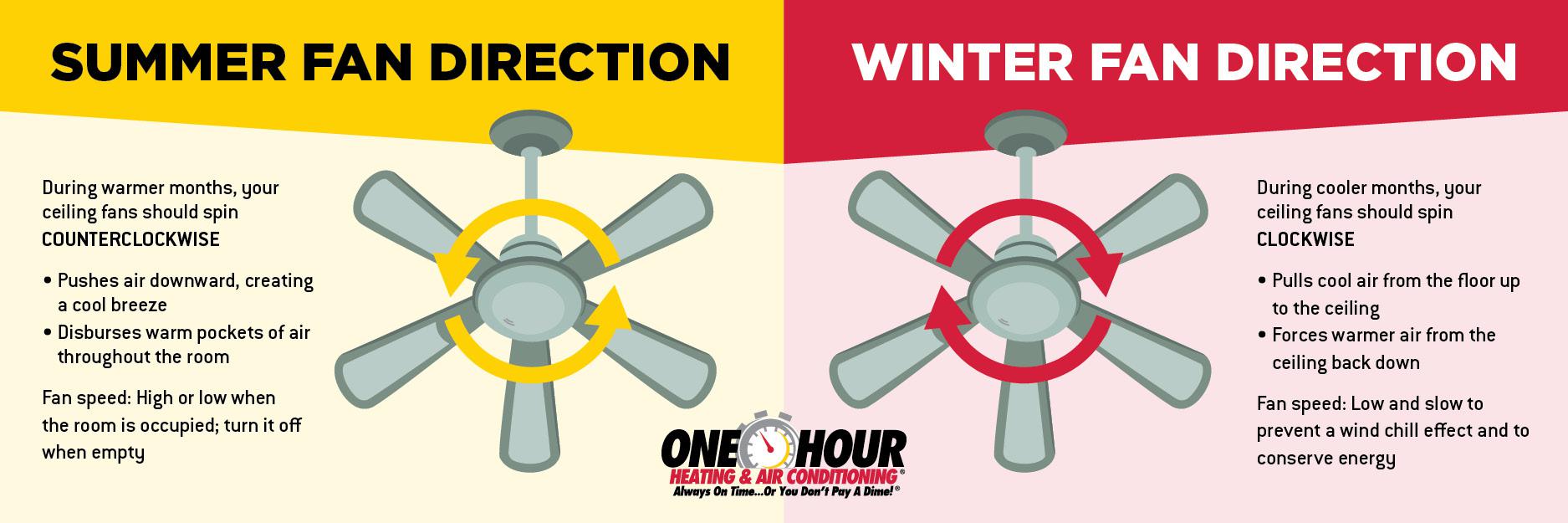
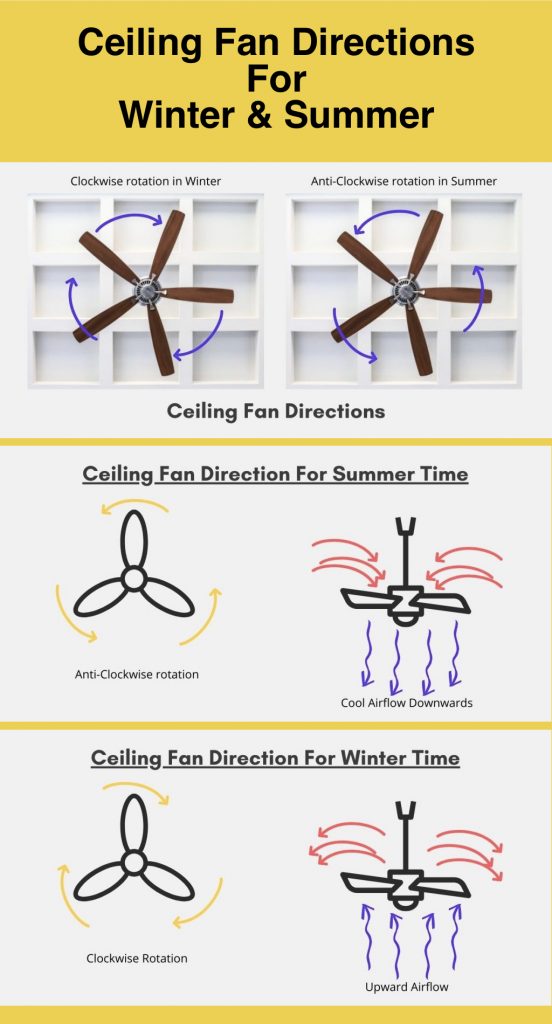
Ceiling fans are in a league of their own. During summer, you want your ceiling fan to spin counter-clockwise (when looking up at it). This pushes air straight down, creating that welcome downdraft to cool you by evaporating sweat. In winter, you'd reverse the direction to clockwise, which gently pulls cool air up and pushes warm air (which rises) down along the walls, recirculating it.
The Ice Hack (for emergencies!)
For a quick, temporary boost of cool air, place a shallow bowl or pan of ice in front of your fan. As the fan blows over the melting ice, it will distribute cooler, slightly humidified air into the room. It’s not a permanent solution, but it’s a fun, old-school trick to take the edge off!
A Few More Cool Pointers
Don't cool an empty room: Remember, fans cool people, not spaces. There's no point in leaving a fan running in an empty room, as it just uses energy without providing any cooling benefit.

Consider humidity: Fans don't reduce humidity. In very humid conditions, your sweat might not evaporate as effectively, reducing the fan's cooling power. That's when an AC truly shines.
When it's REALLY hot: If the indoor temperature is significantly above your body temperature (think 95°F / 35°C and up), a fan blowing on you can actually be counterproductive, as it's just circulating very hot air. In extreme heat waves, seek out air-conditioned spaces or consider the ventilation strategy more.
So, which way to run your fan? The beautiful truth is, there's no single "right" answer for every moment. It all depends on your immediate goal: are you looking for a personal chill, or do you want to refresh your entire living space? By understanding the mechanics and applying these simple strategies, you can transform your fan from a mere whirring gadget into a savvy tool, ready to tackle summer's heat with maximum efficiency and minimum fuss. Embrace the breeze, adapt your technique, and enjoy a wonderfully cooler season!